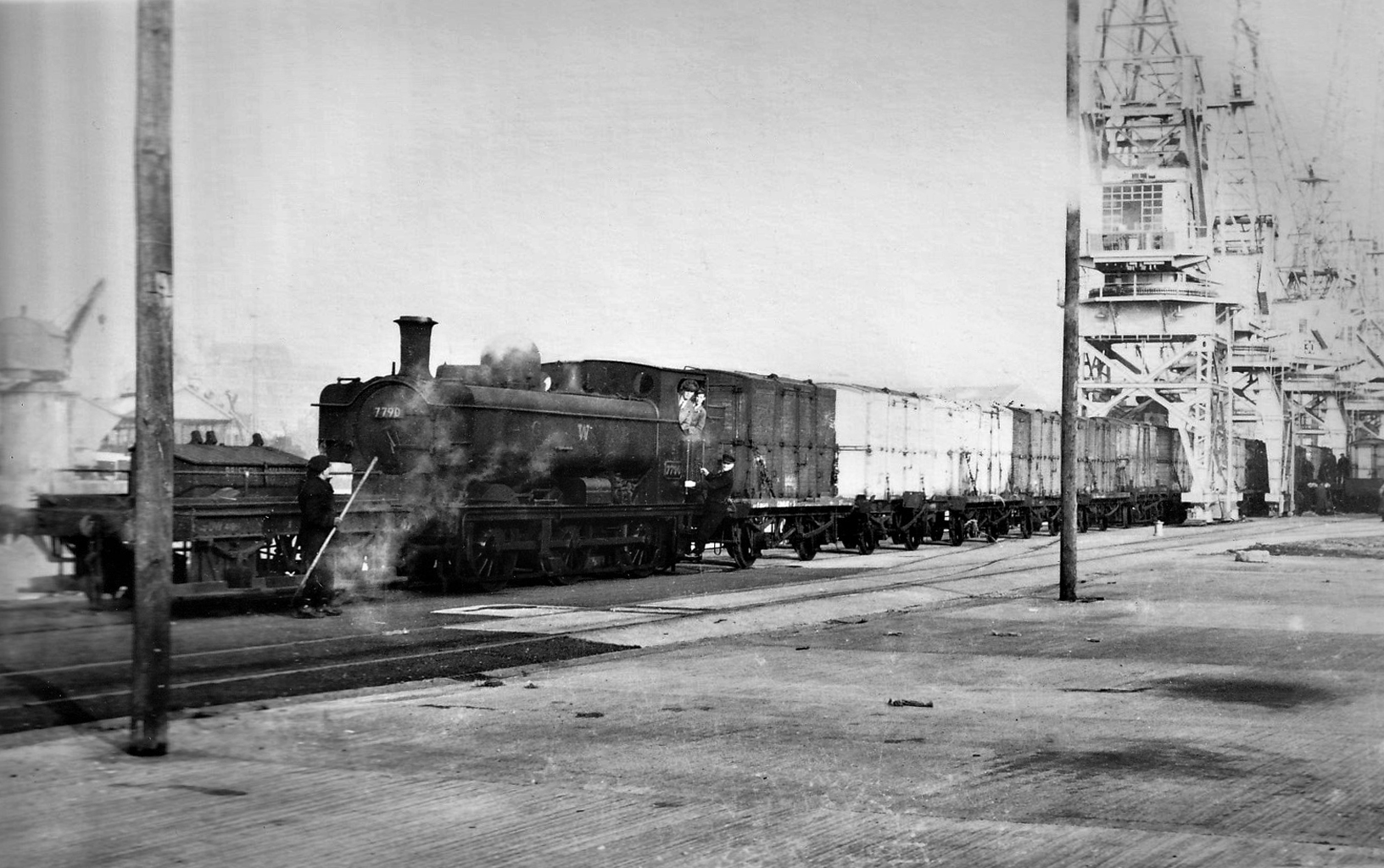
With thanks to a member of the Avon Valley Railway group who passed on this photo via Bob Edwardes. Believed to have been taken by Rex Coffin in around 1952 (judging by the fact that Crane 32 looks brand new) it shows 5700 class pannier tank No. 7790 at the head of a train of loaded conflats on the quayside line. The loco is still in faded G W R livery and has a GW shunters’ truck attached to the front. On the extreme right of the photo it looks as though a road wagon is parked across what is now the main running line. In the background to the left can be seen the crane whose pedestal still stands at the edge of Lloyds Amphitheatre.
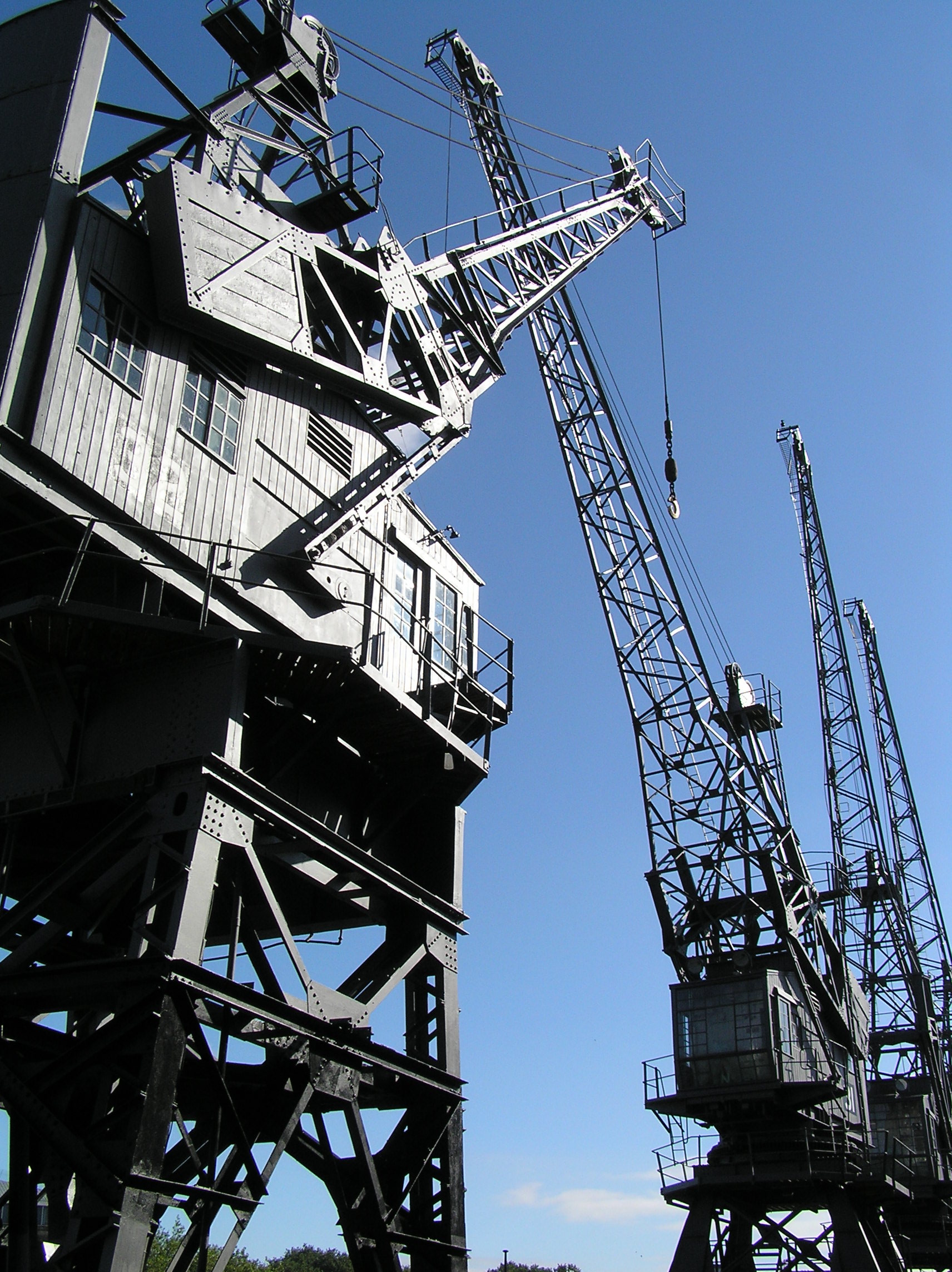
The M Shed website states: Our one-to-one tuition gives you the thrill of being the driver whilst testing your skill in controlling the hook.
After taking both machines for a spin, you’ll receive a certificate of achievement.
Timeslots are available every 40 minutes. Please report to reception 15 minutes before your allocated time slot where a buddy will show you to the working area.
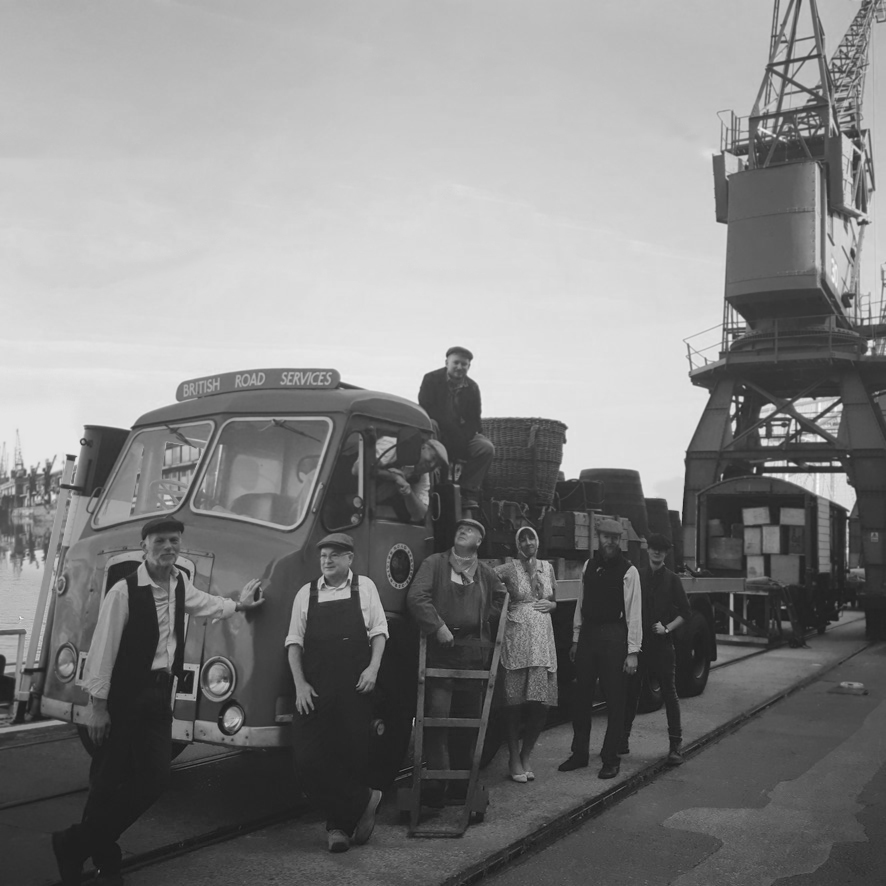
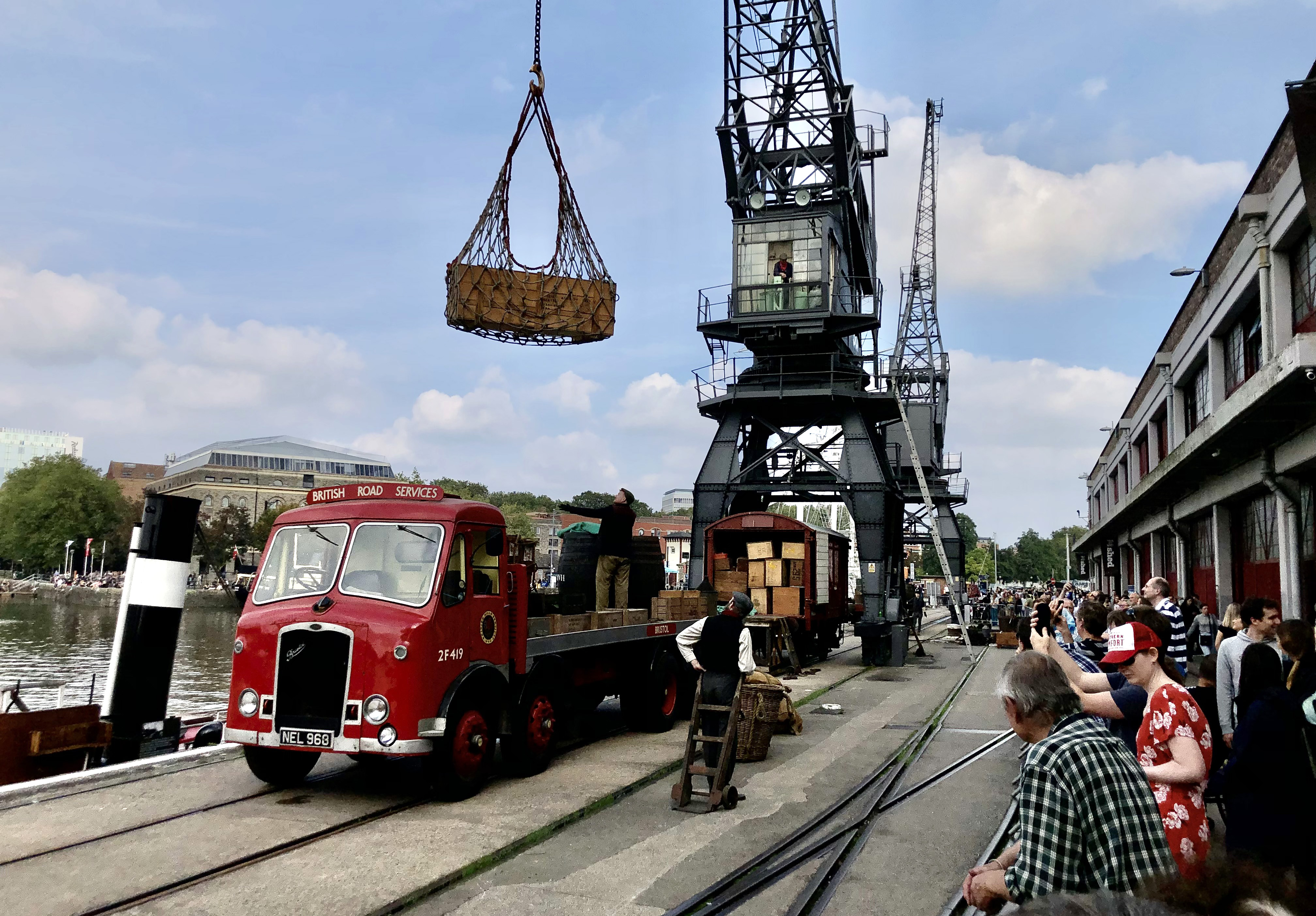
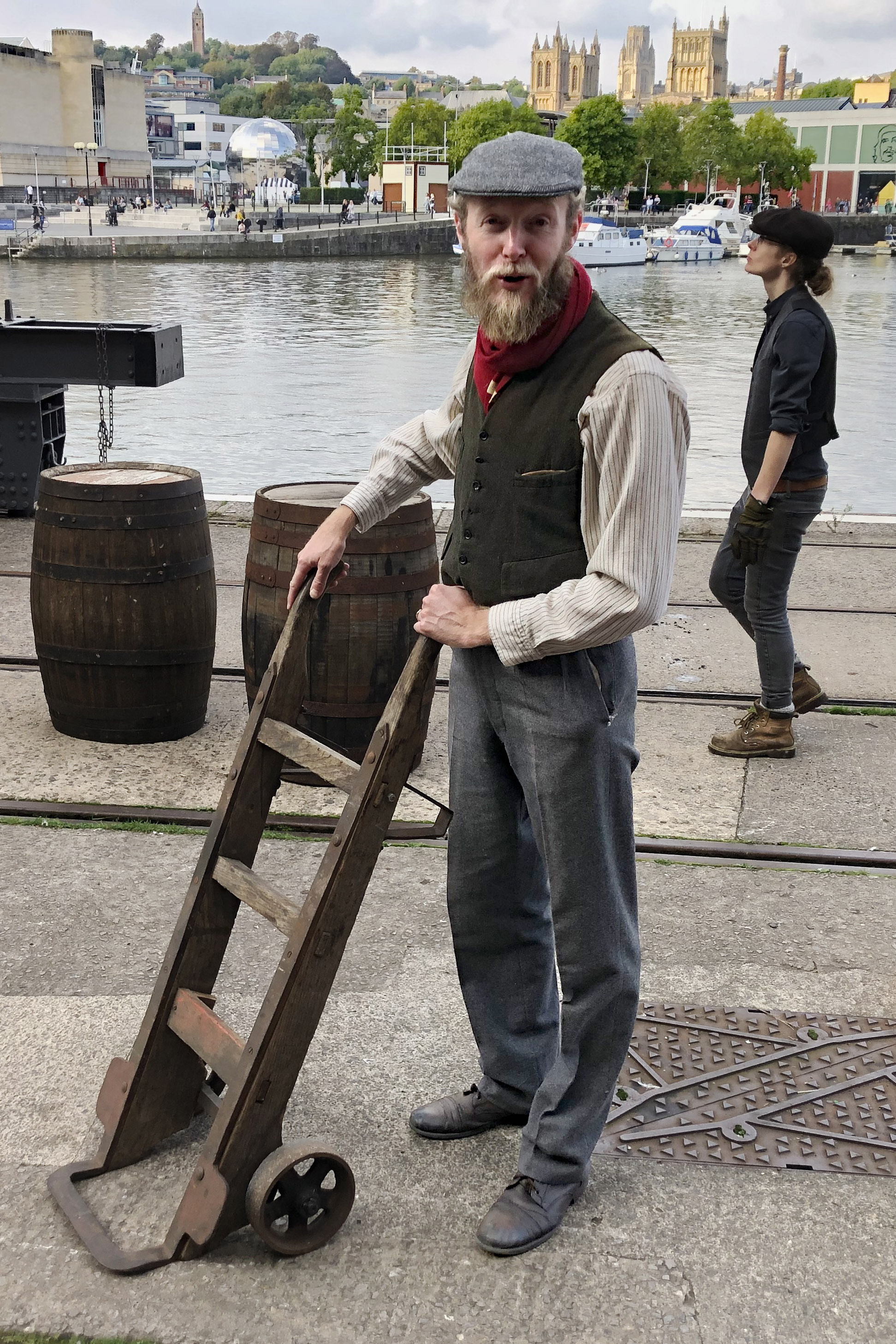
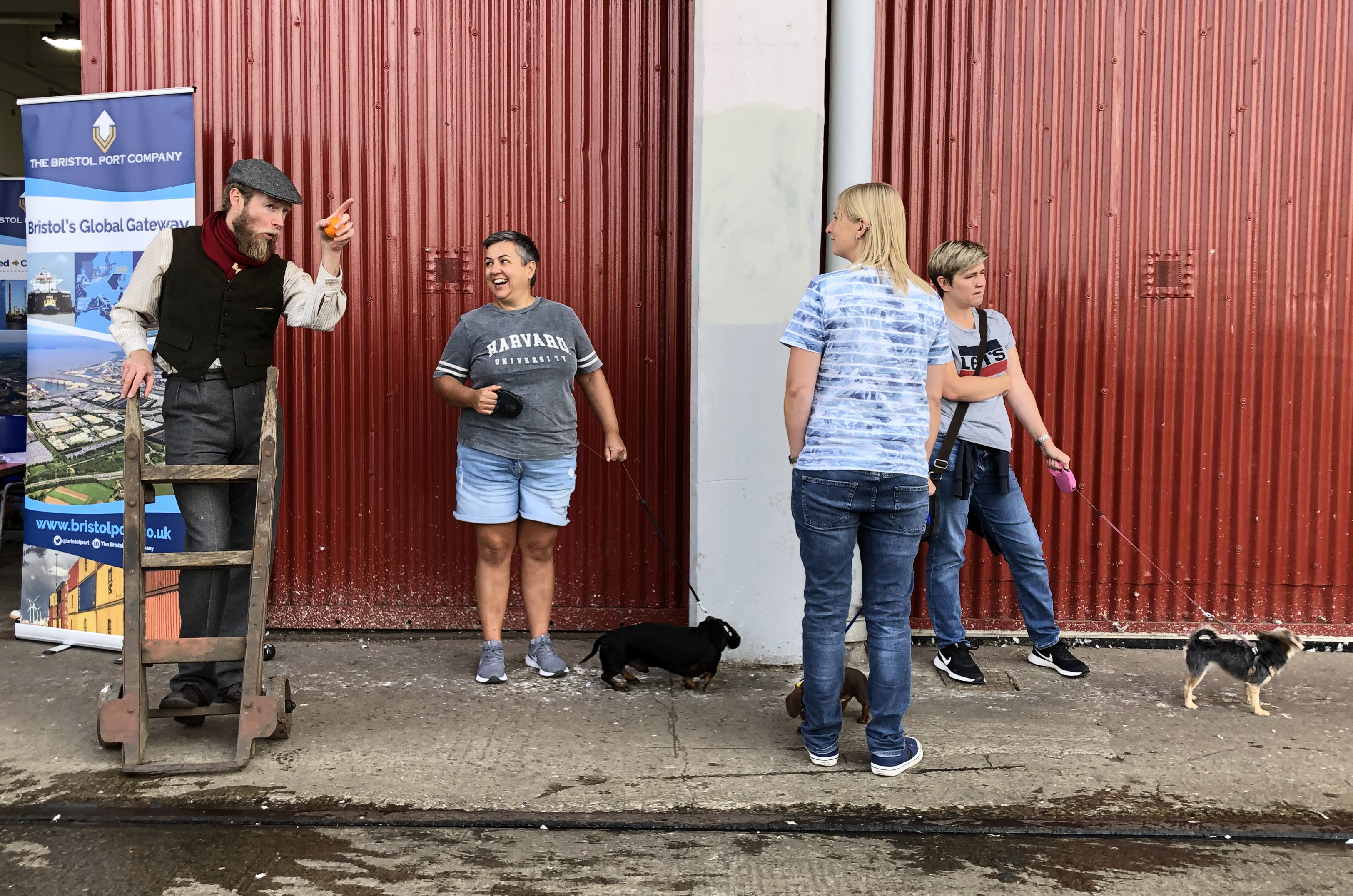
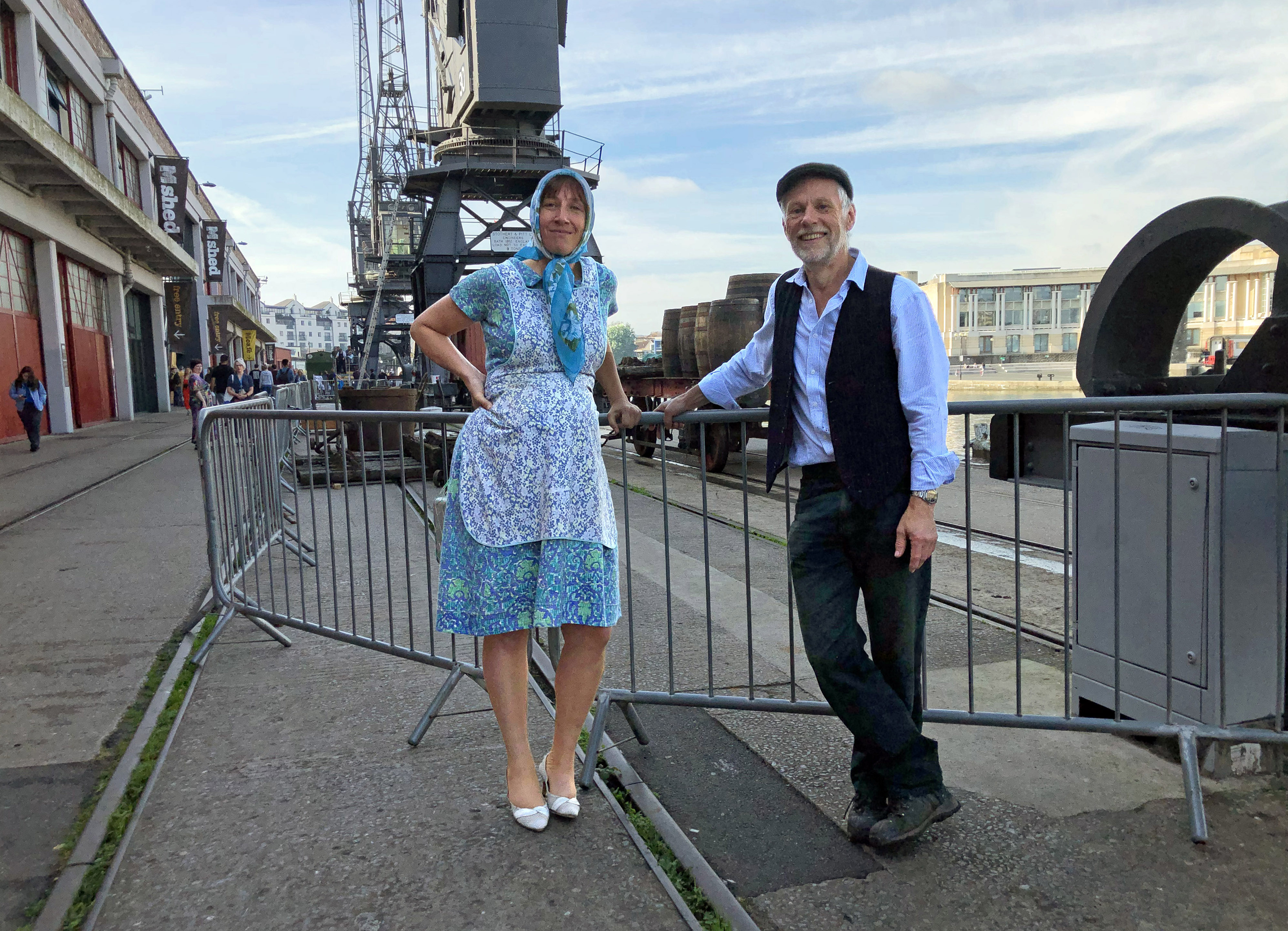
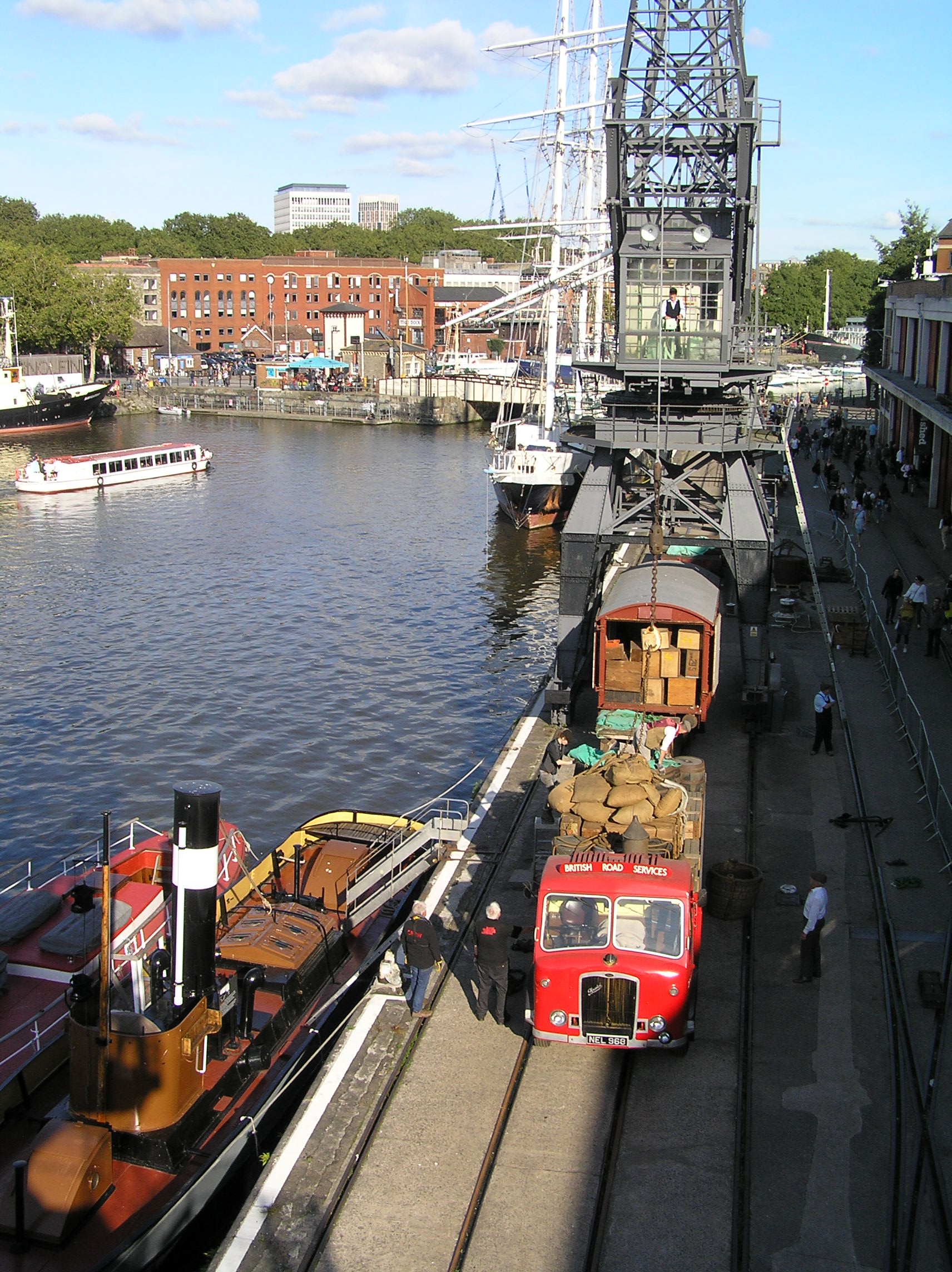
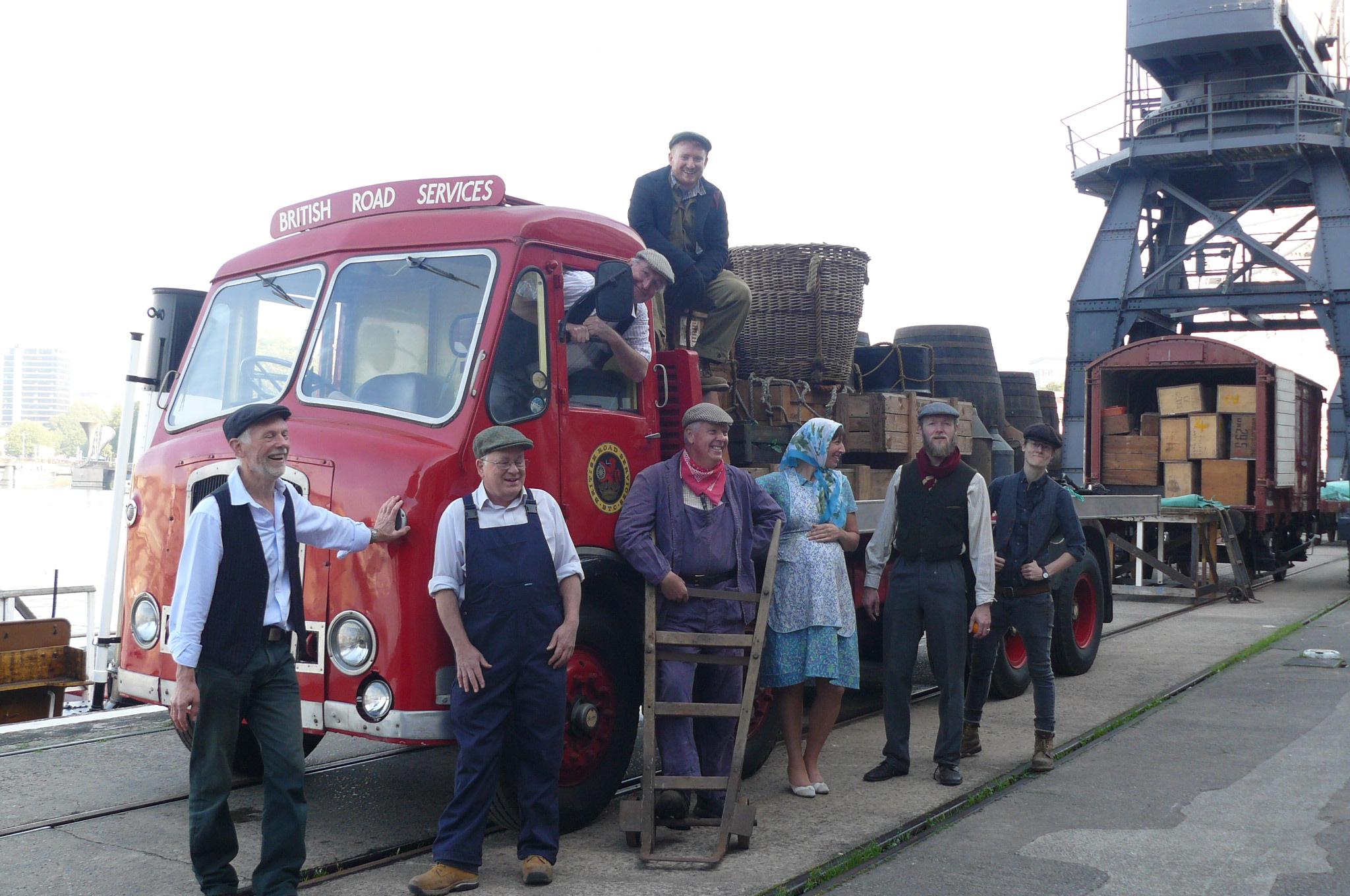
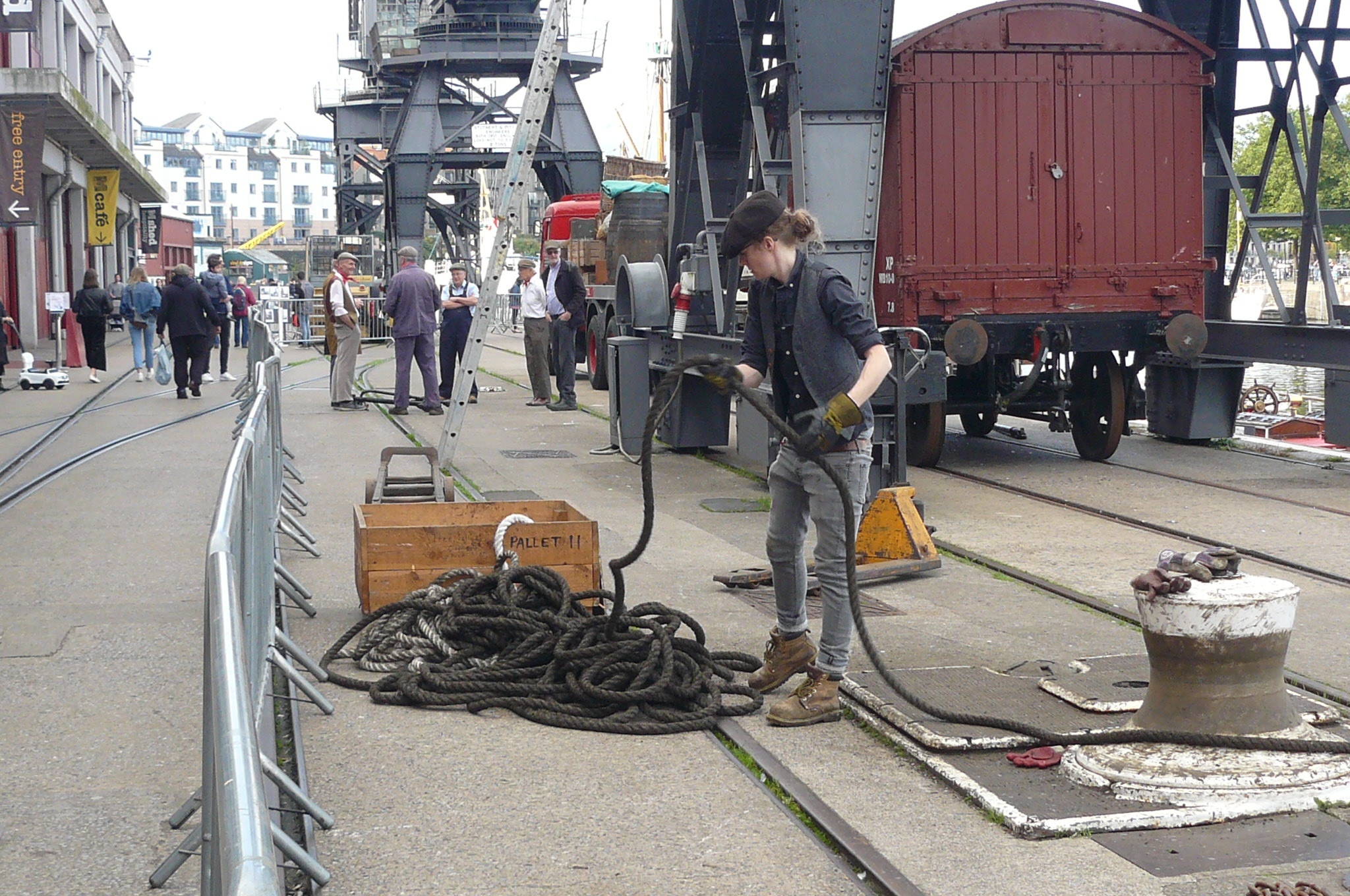
It’s been a week since the first public outing for the working exhibits in over a year, Docks Heritage Weekend. What a blast! So great to have the volunteers working with the public again. Both Portbury and Henbury were on display and the capstan was back in operation both days, and crane 30 was kept busy loading and unloading the lorry. Quayside operations were bolstered with audience interaction from the Show of Strength Theatre company. Thanks for Bob, Bruce and the M Shed social media channels for these photos of the weekend.
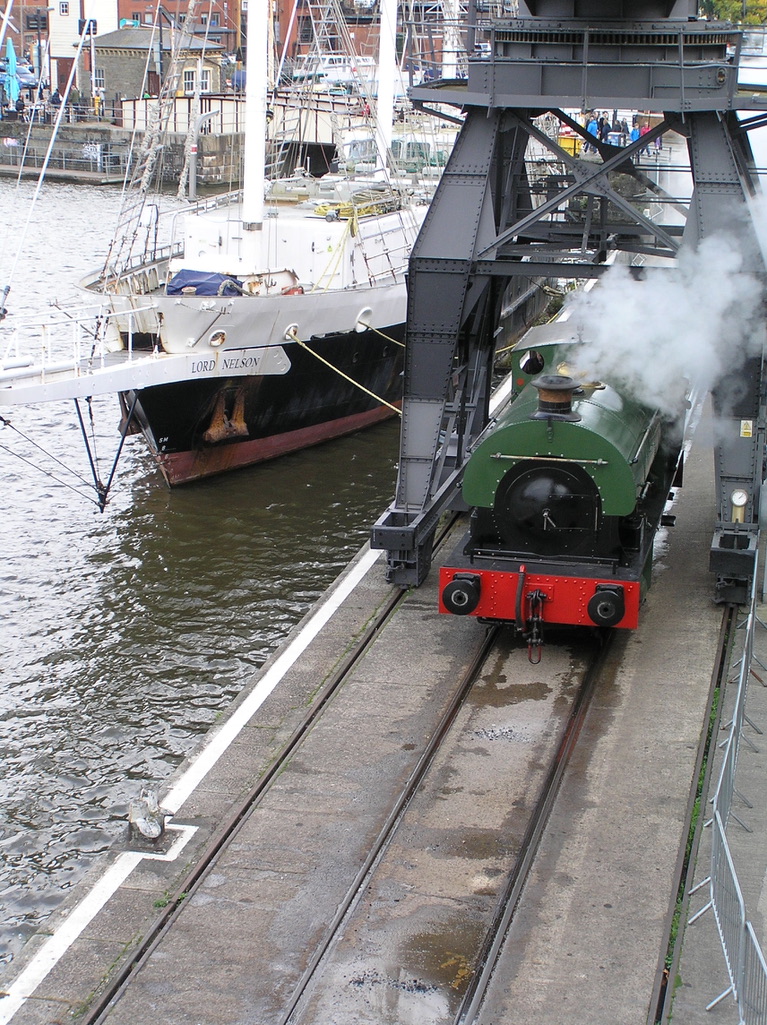
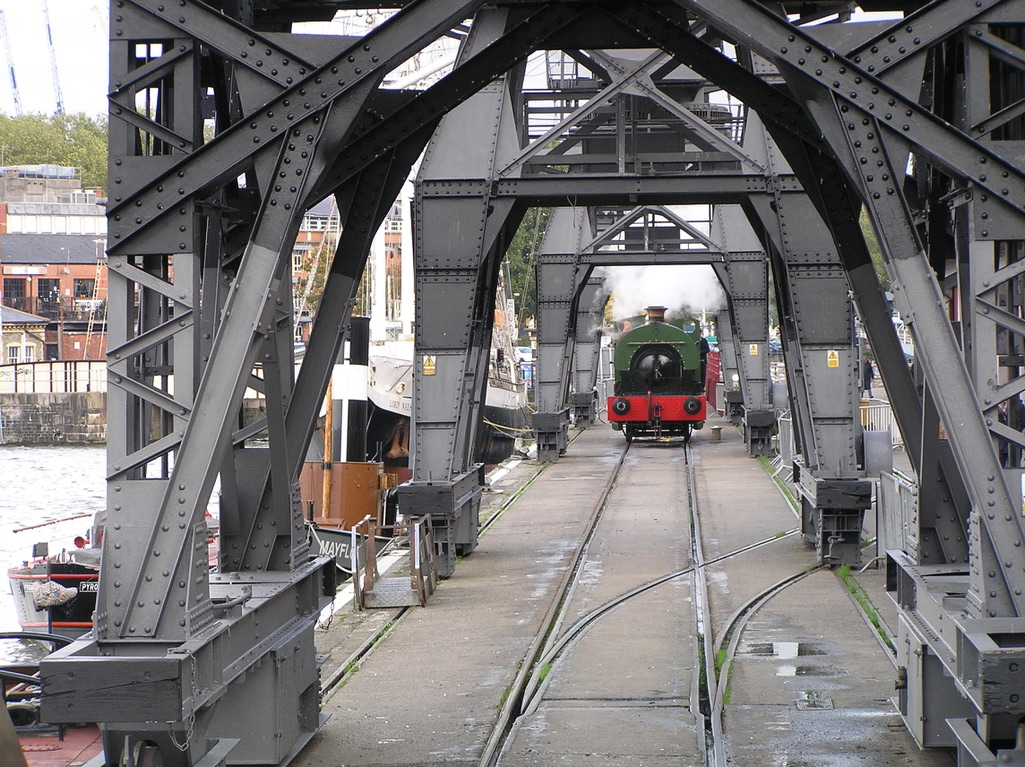
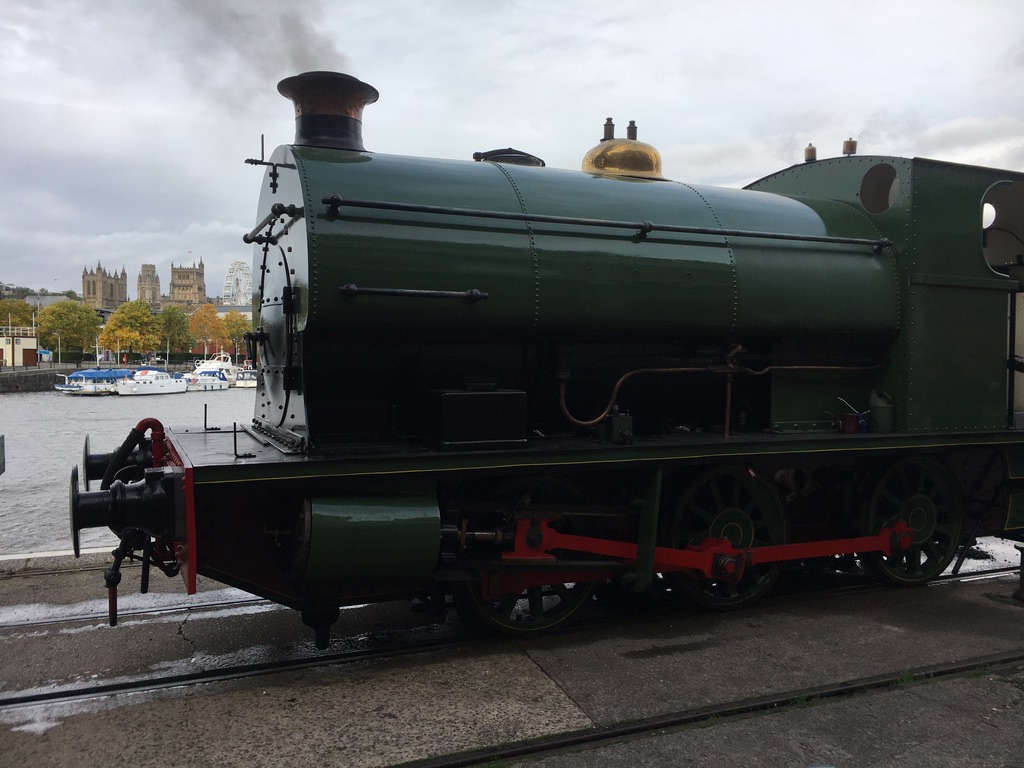
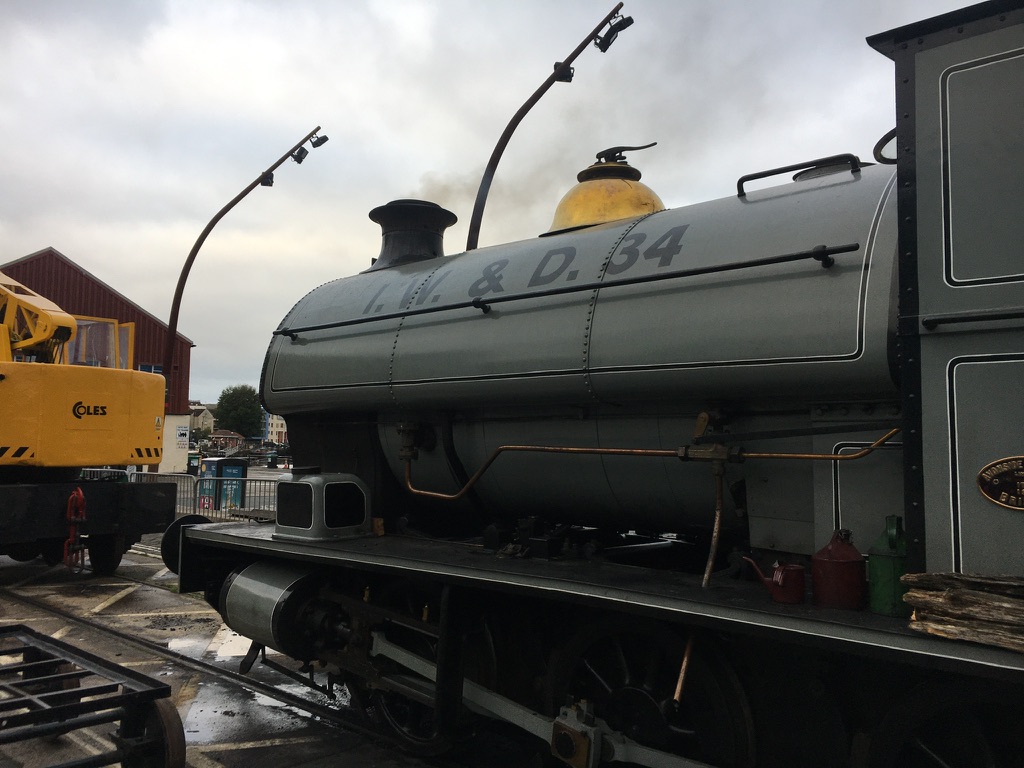
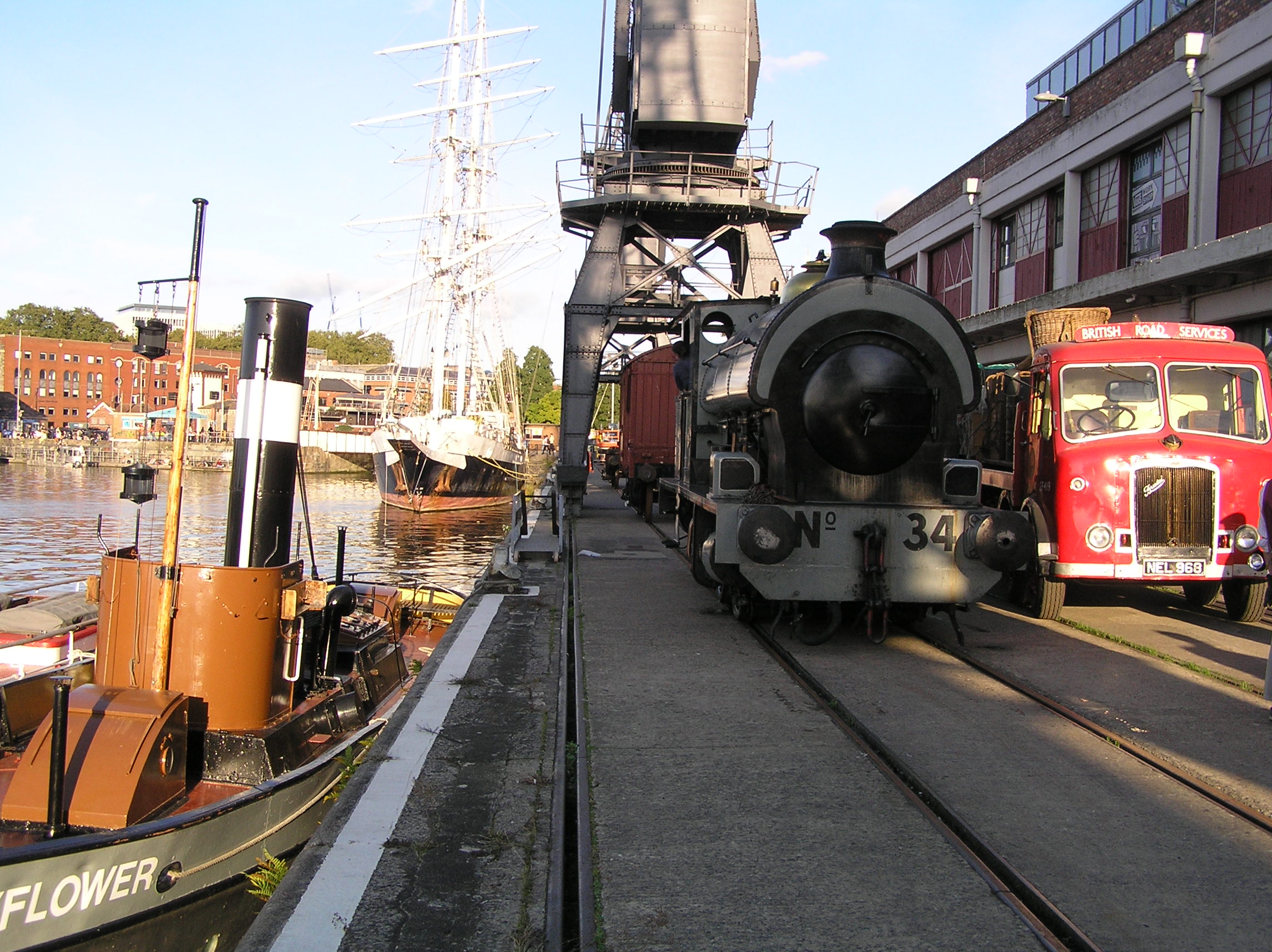
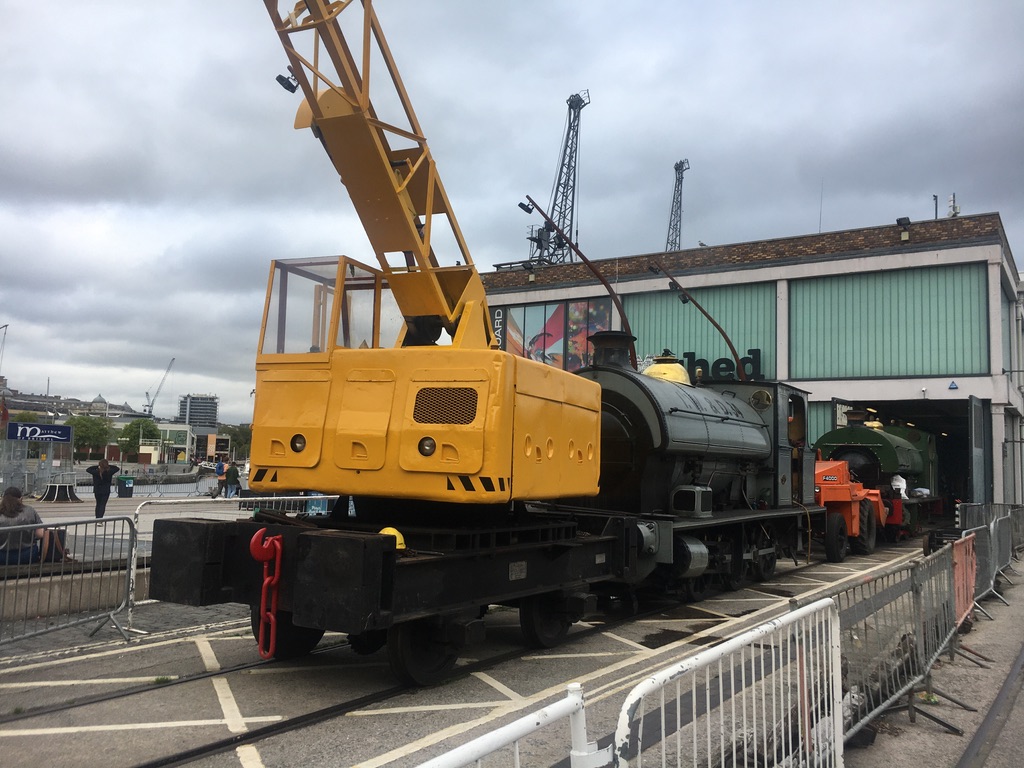
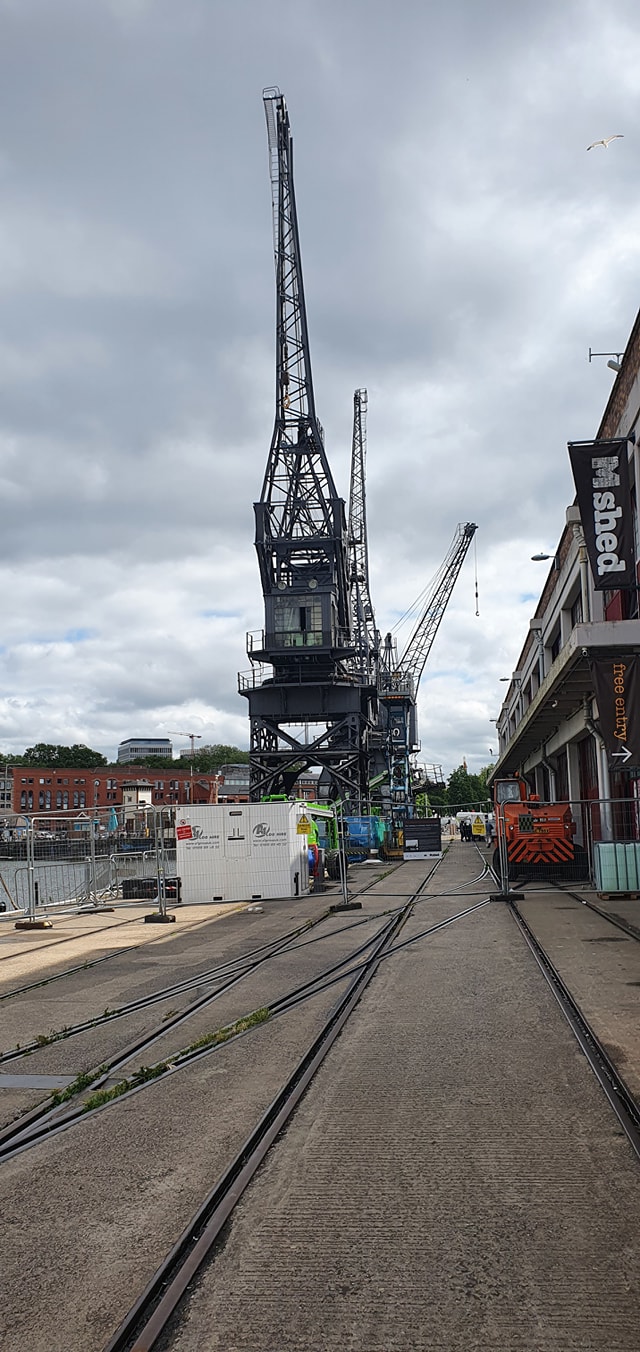
The active fleet seen outside the shed today as ‘Portbury’ warms up ahead of DOCKS HERITAGE WEEKEND making a comeback after the pandemic.
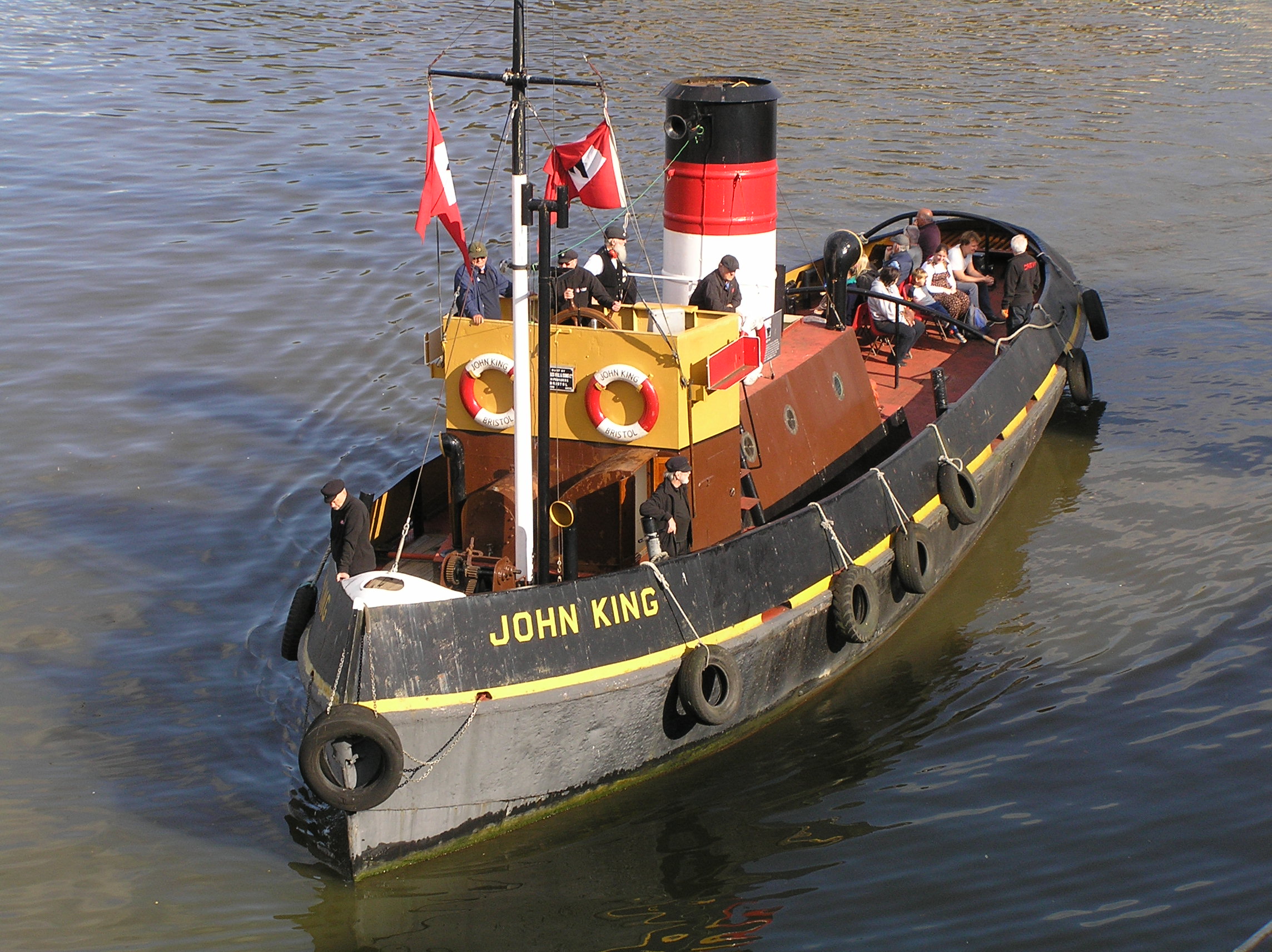
Activities at M Shed Trips on electric crane No.31 (charges apply) Trips on the John King tug (charges apply) Cargo handling demonstrations with Crane 30 and the electric capstan Dramatic interludes from Show of Strength Theatre Company exploring characters from the docks’ past, Saturday and Sunday, 11am – 4pm Visit the Fairbairn steam crane Trips to see a stationary steam locomotive (charges apply) – Portbury is rostered for this Visit the Bristol Port Company stand See a Bristol Steam Navigation Company display Events at SS Great Britain Pre-booked free tours of the Albion Dock Brunel Institute will be open (free) between 11am to 3pm on both days for visitors to drop in to meet a curator and see some of the collection objects celebrating Bristol’s docks heritage Victorian street games on Brunel Square on Saturday Shanty Festival performances on Brunel Square on Sunday ‘Mr Brunel’ will be on Brunel Square both days Photography festival ‘Opening Up’ on Brunel Square both days Activities at Underfall Yard Demonstrations of traditional blacksmithing skills Appreciate engineering in miniature with model steam engines and workshops Discover the tools of yesteryear with the Tools and Trades History Society Try your hand at nautical knots Watch the pumps that powered a port running throughout the weekend See our magnificent machinery workshops in action Enjoy songs of the sea performed by several sea shanty groups as part of Bristol Shanty Festival (Sunday only).
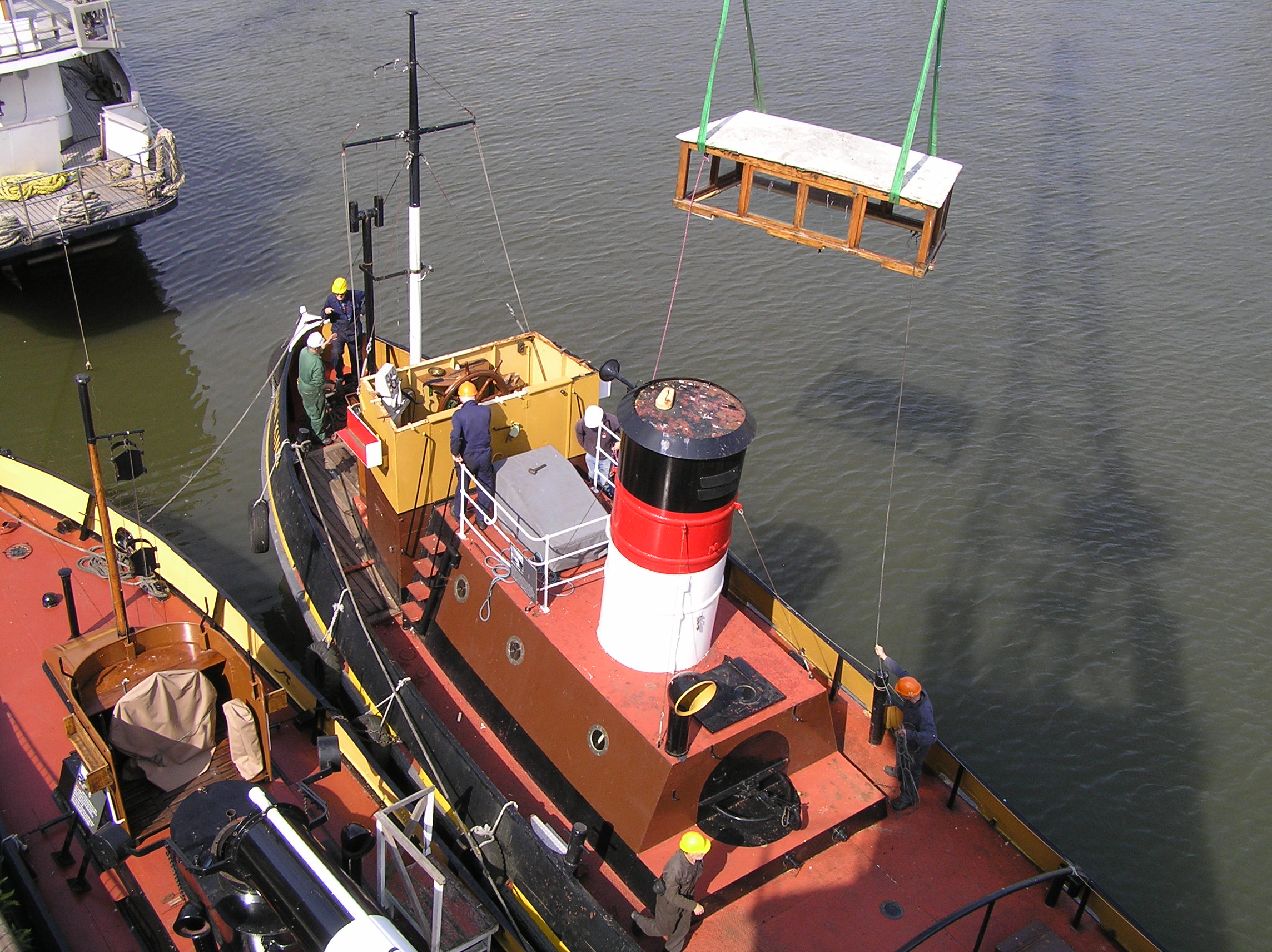
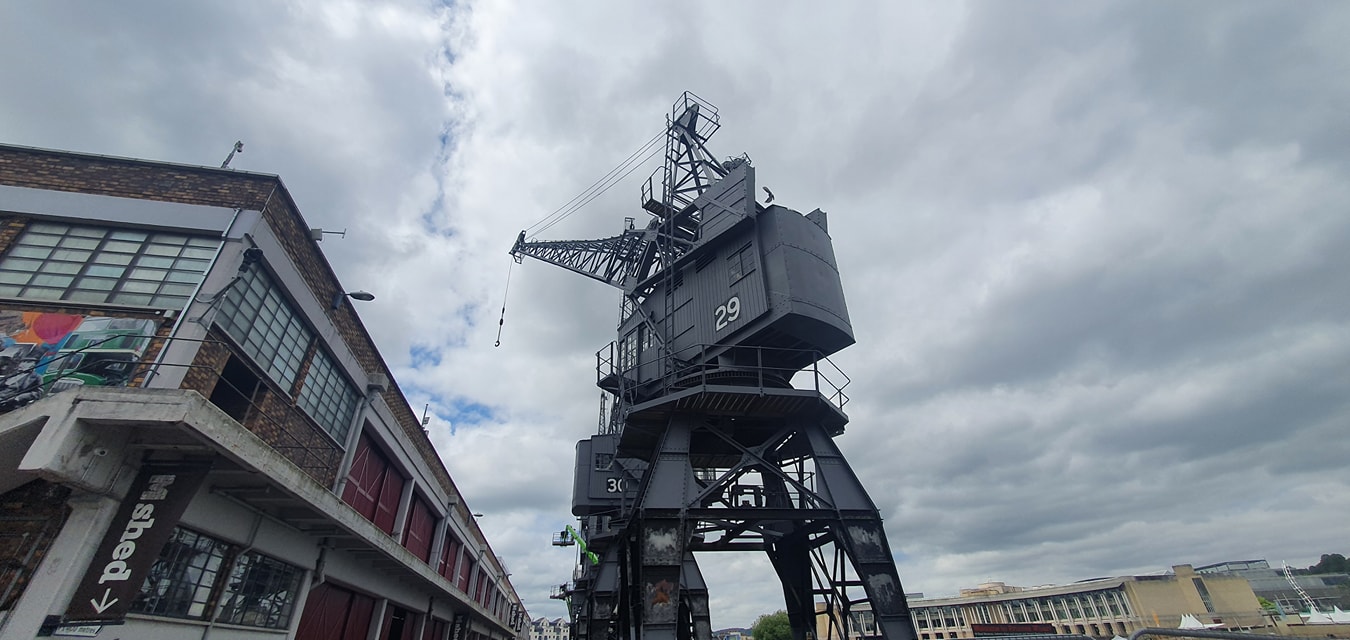
Back at the start of the month, Crane 30 was used to lift off the wheelhouse to Bristol tug ‘John King’ so it can have some tender loving care.
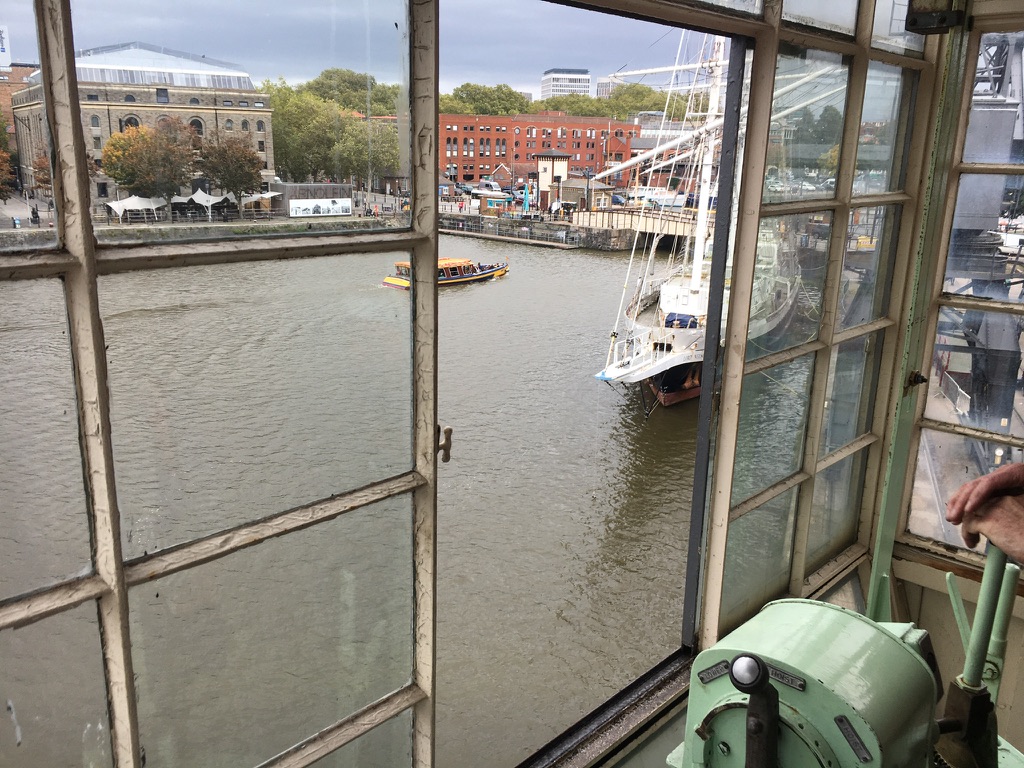
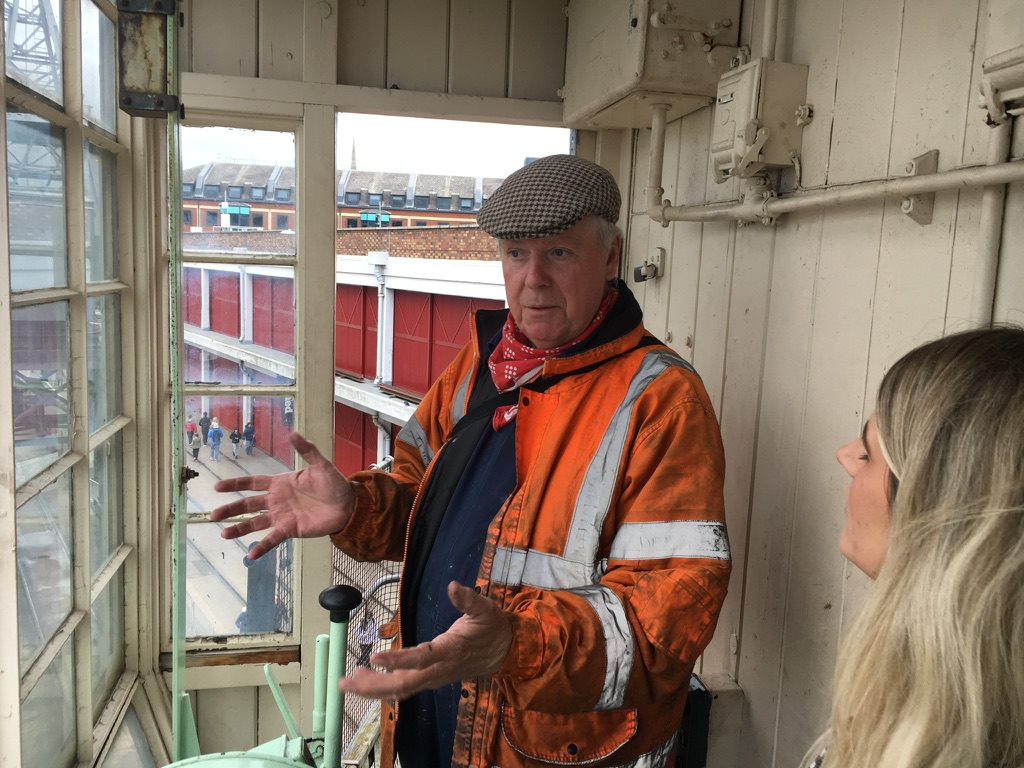
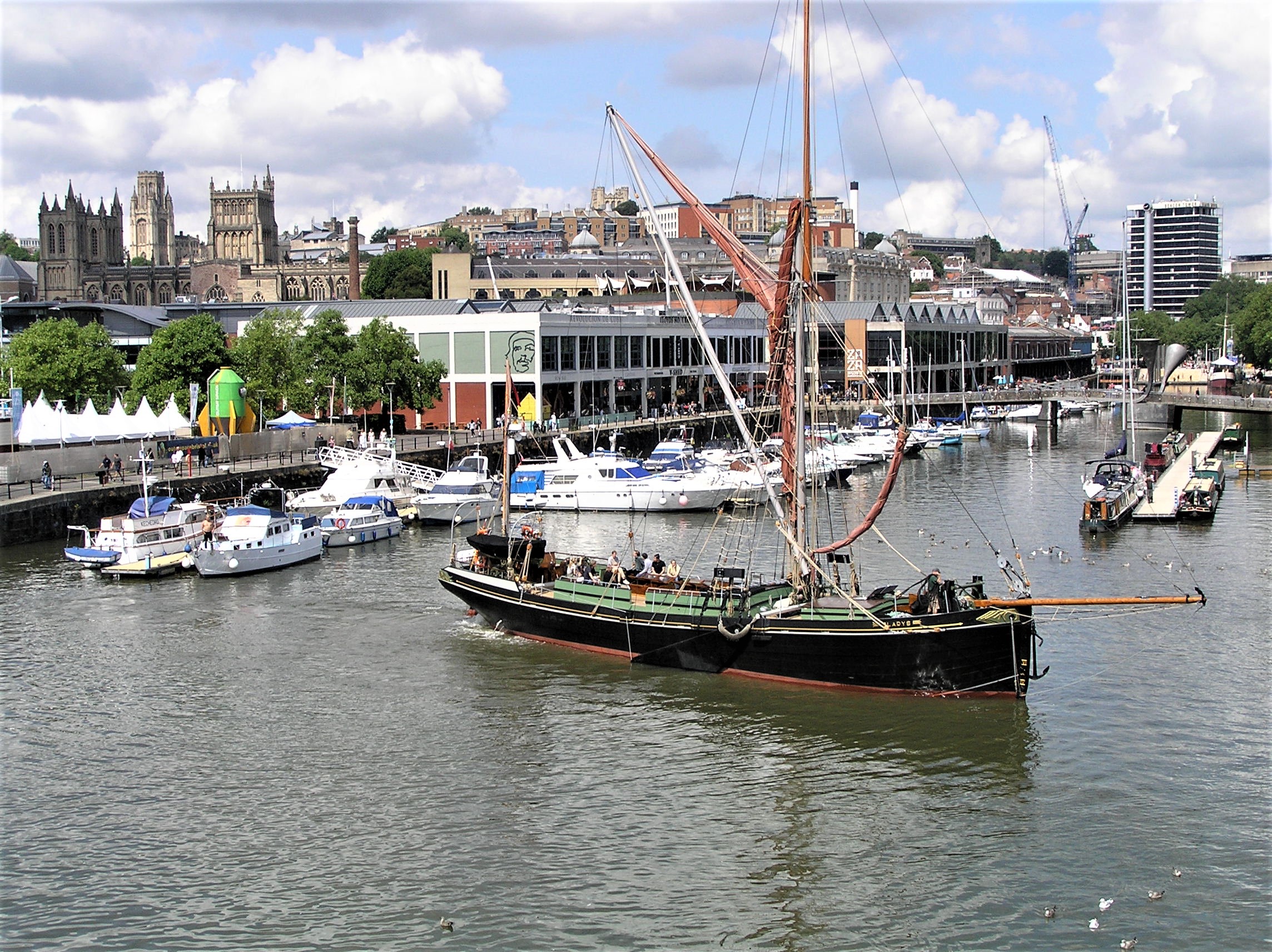
Thanks to Bob Edwardes for these photos! Bob says “Whilst up the crane I also had a cracking view of the recently restored Thames sailing barge (S.B. Gladys) making her way from Gloucester back to London via Bristol Harbour.”
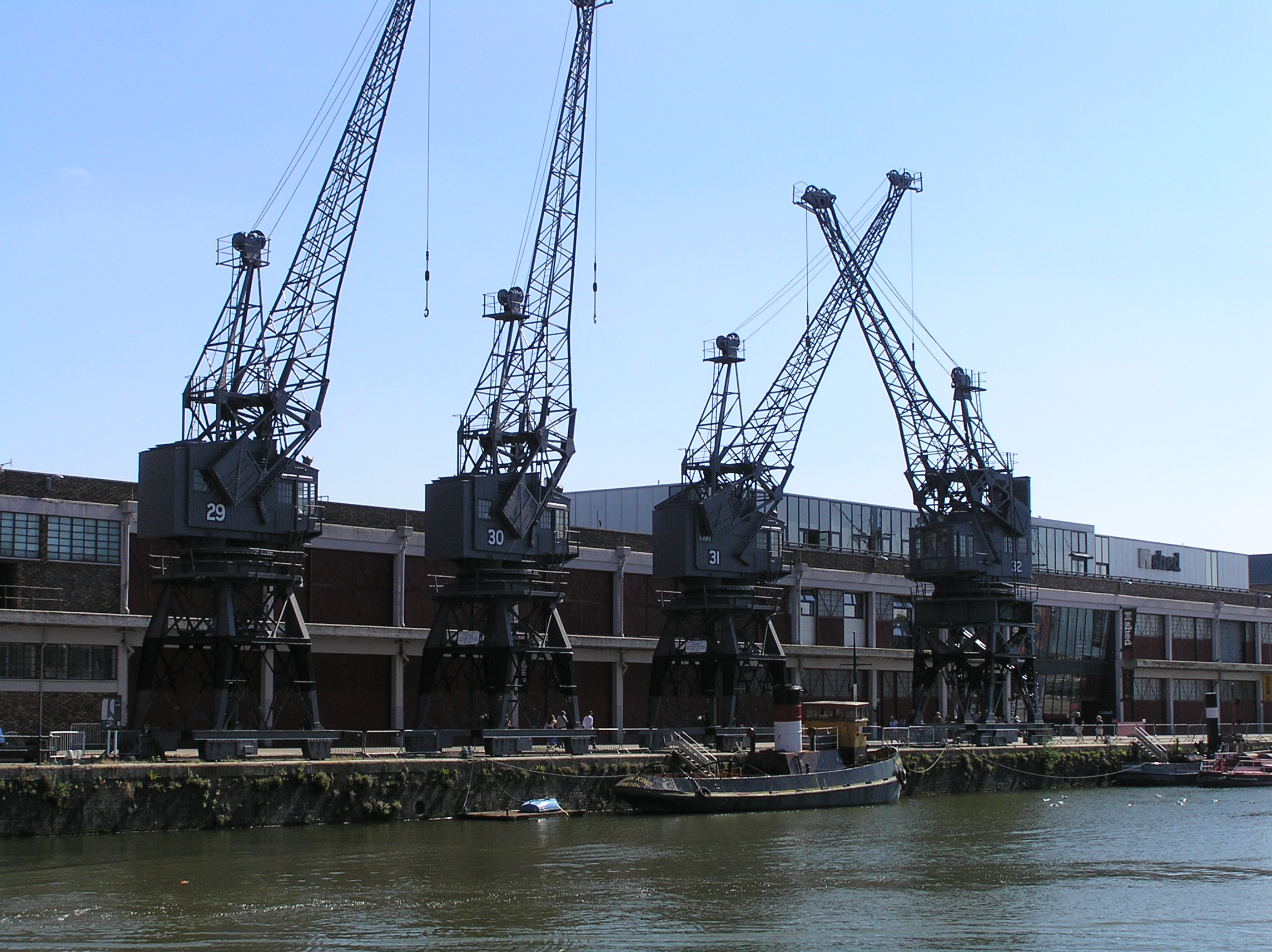
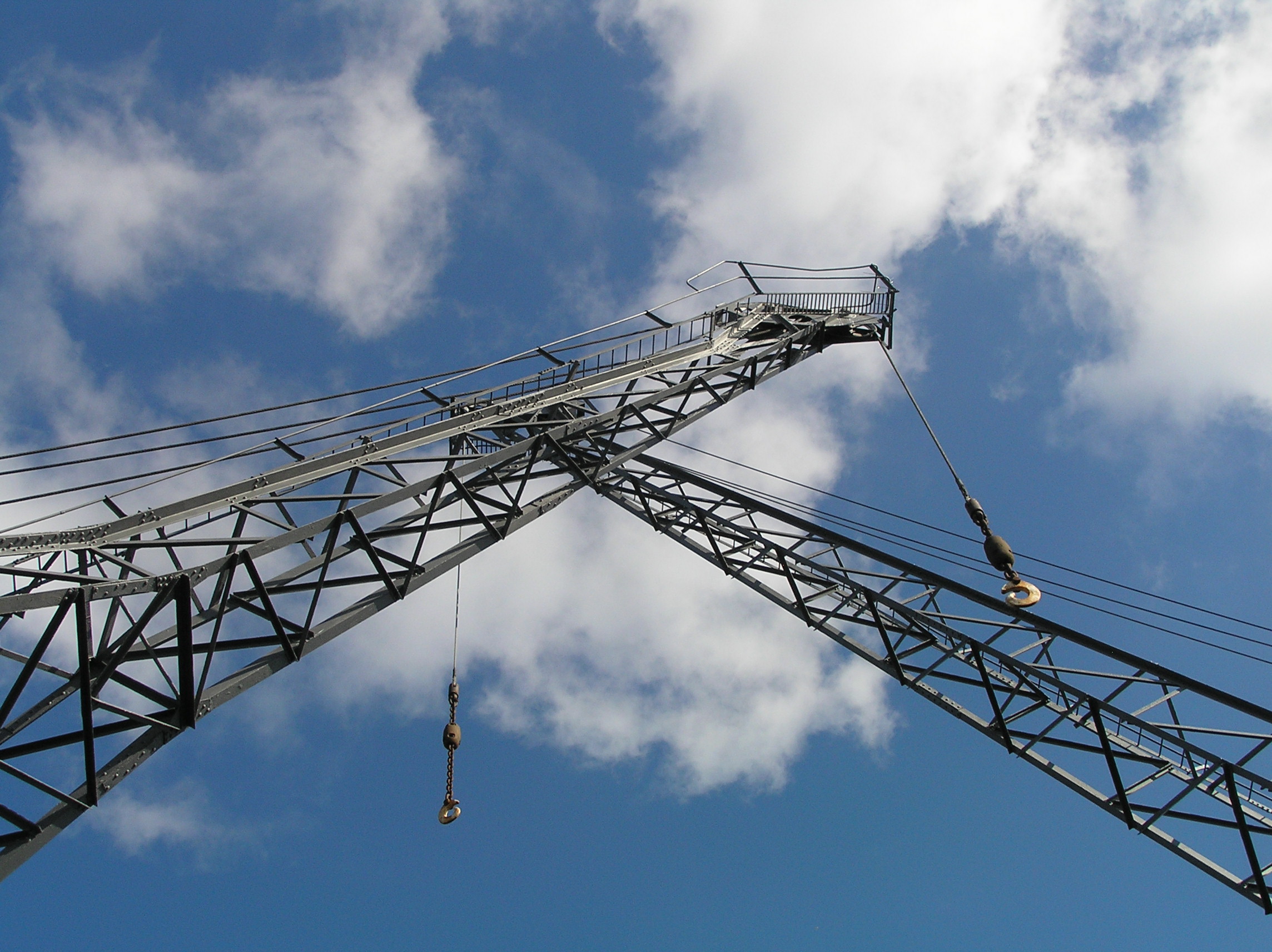
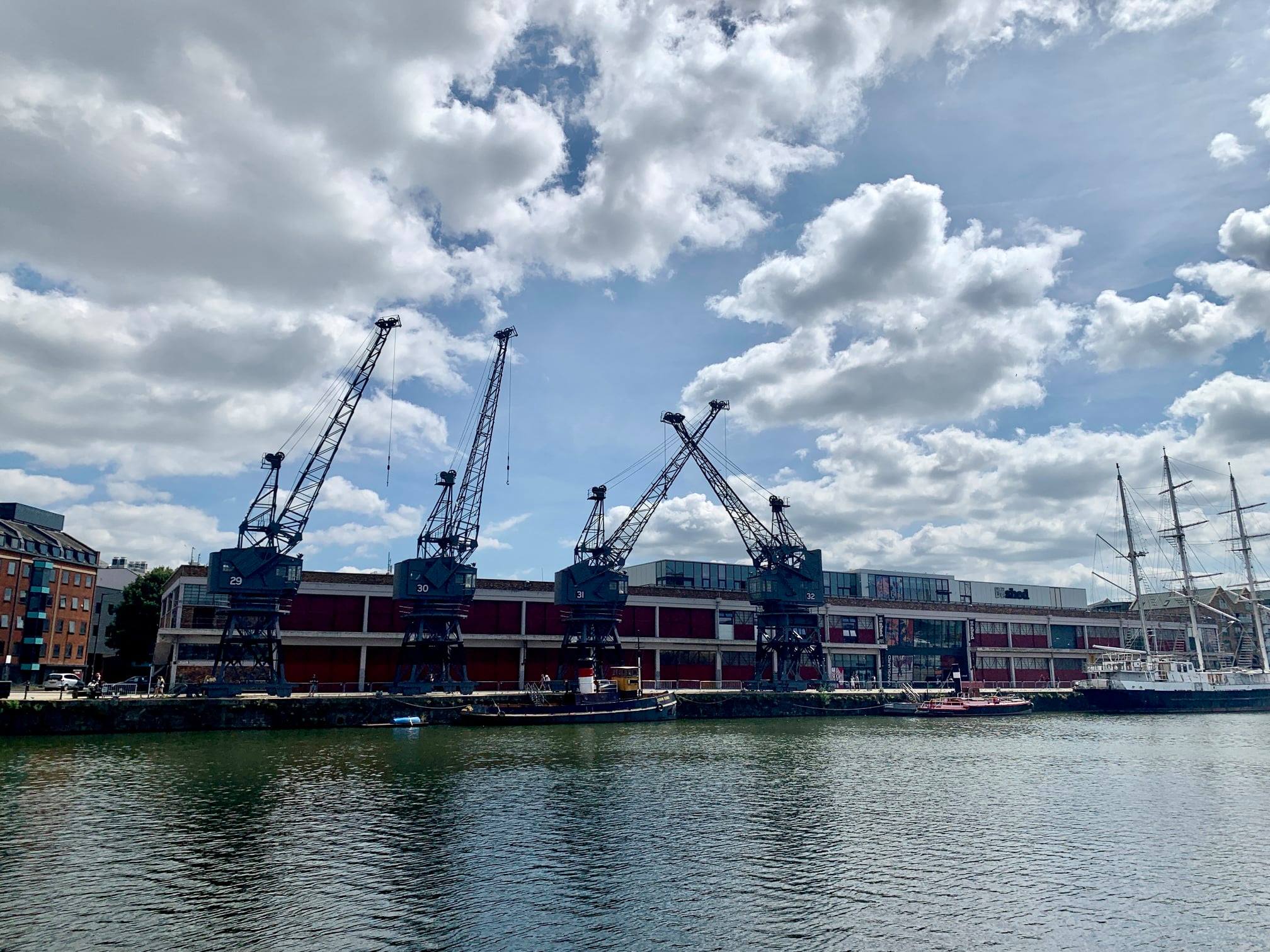
With great sadness I report that Andy King, curator of Bristol Industrial Museum and M Shed, passed away this week. The jibs of cranes 31 and 32 have been lowered and crossed in honour of Andy’s work. Andy joined Bristol Museum’s curatorial team 40 years ago. Part of the group tasked with getting ‘Mayflower’ back into working order, he went on to become the driving force behind many of the working exhibits and ensuring that they continue to entertain and educate thousands of people for years to come. He will be greatly missed by all the volunteers and staff.
A recent visit to M Shed and the BHR (under supervision and within Covid restrictions) by members of the Appleby Frodingham Railway Preservation Society. Thanks to Andrew and Chris for taking the time to visit and do the write-up!
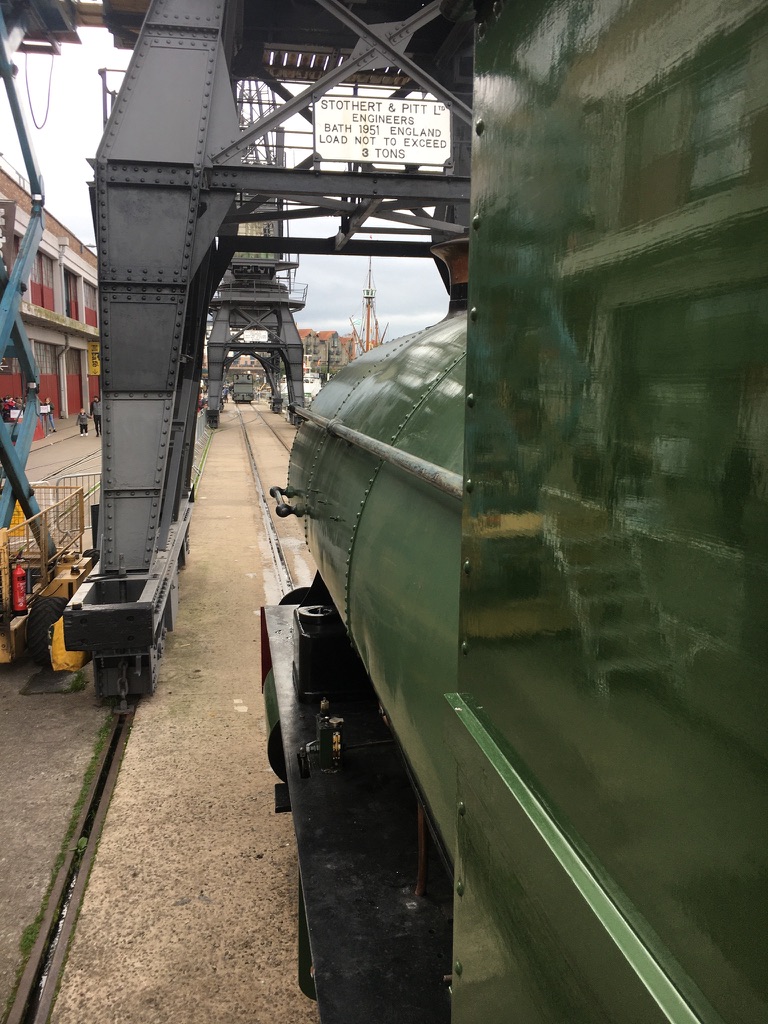
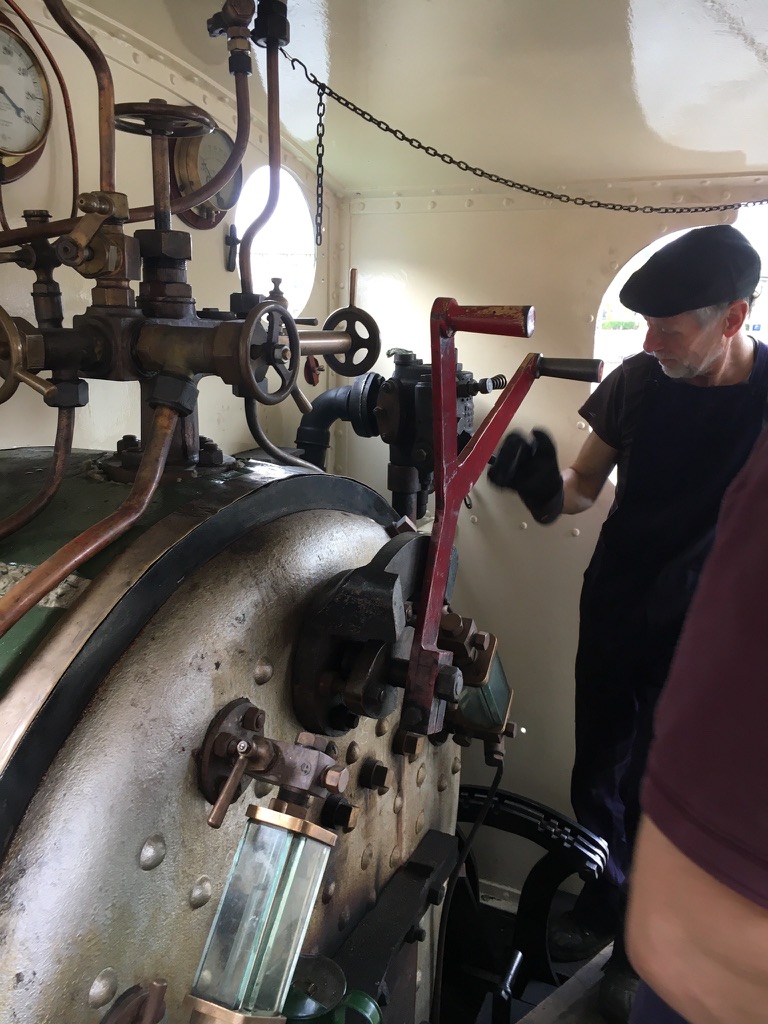
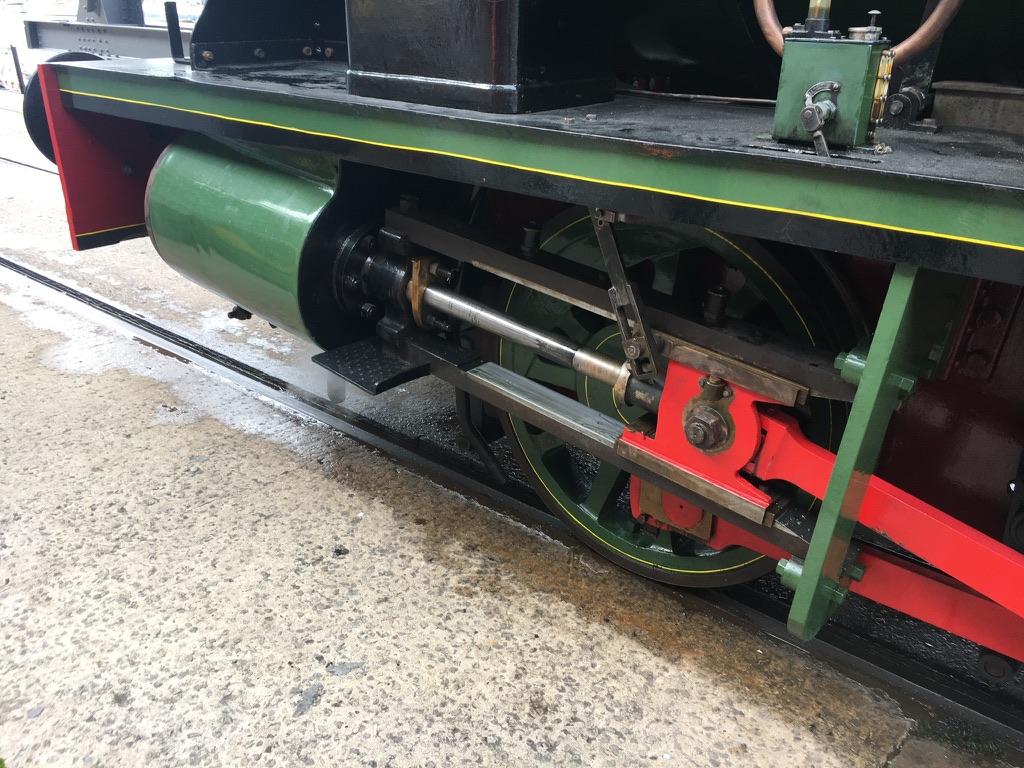
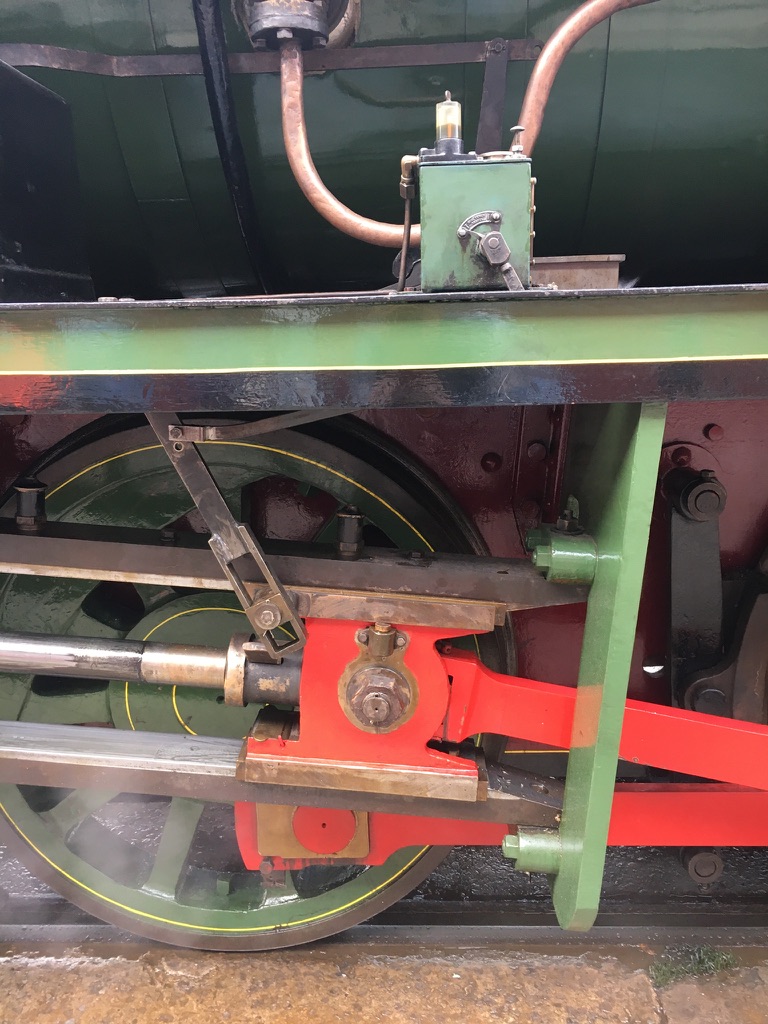
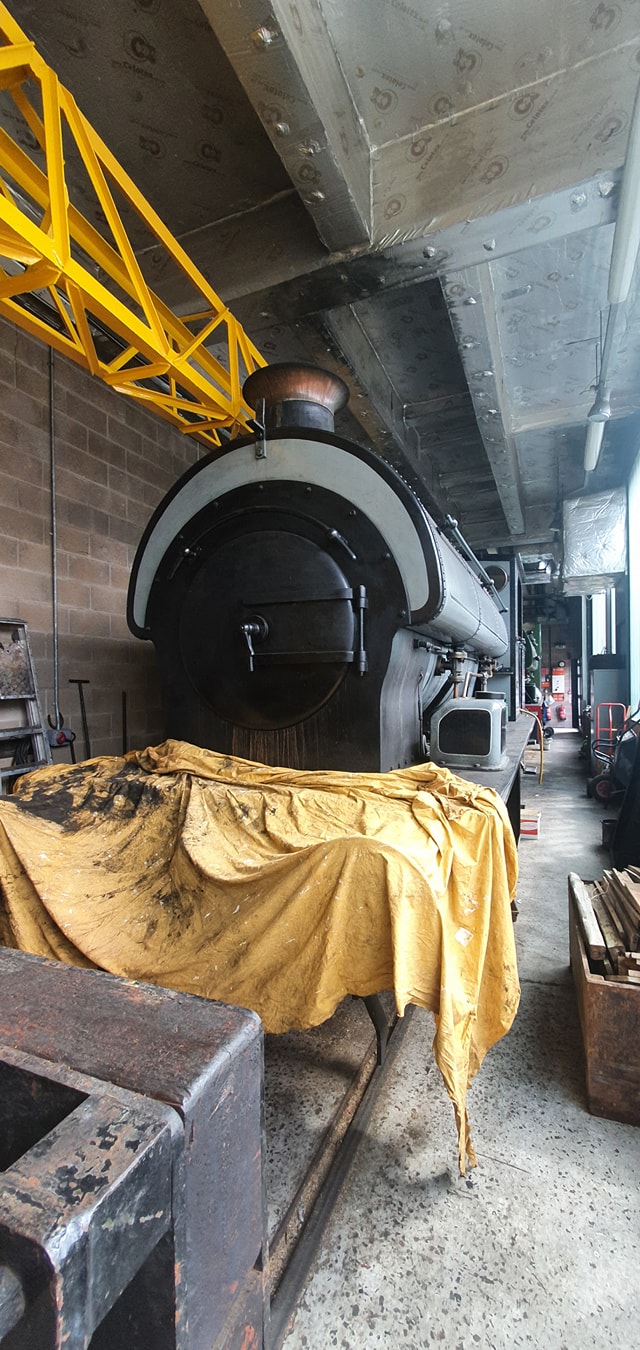
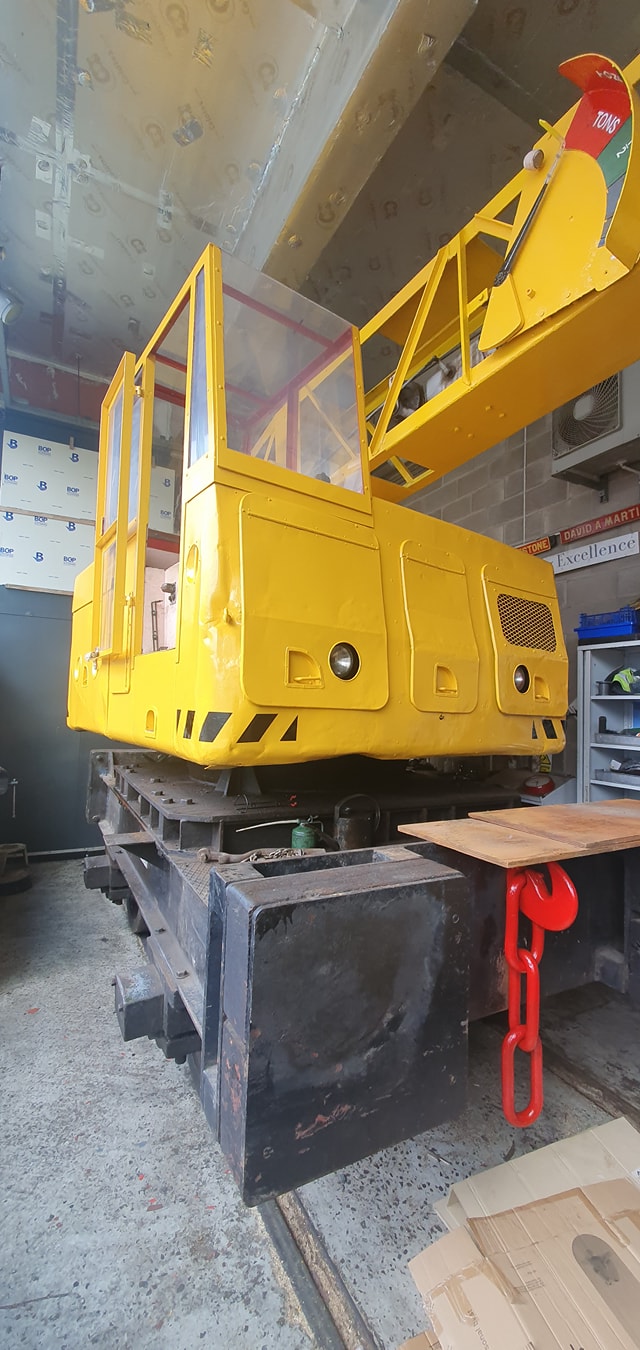
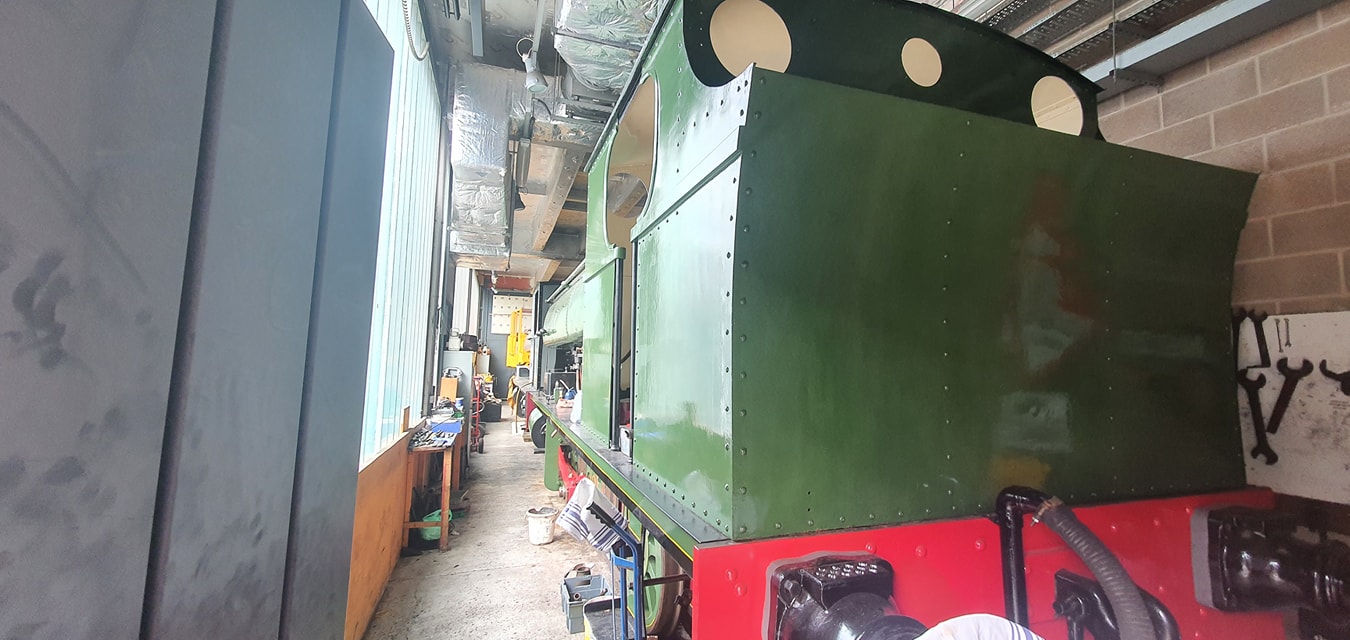
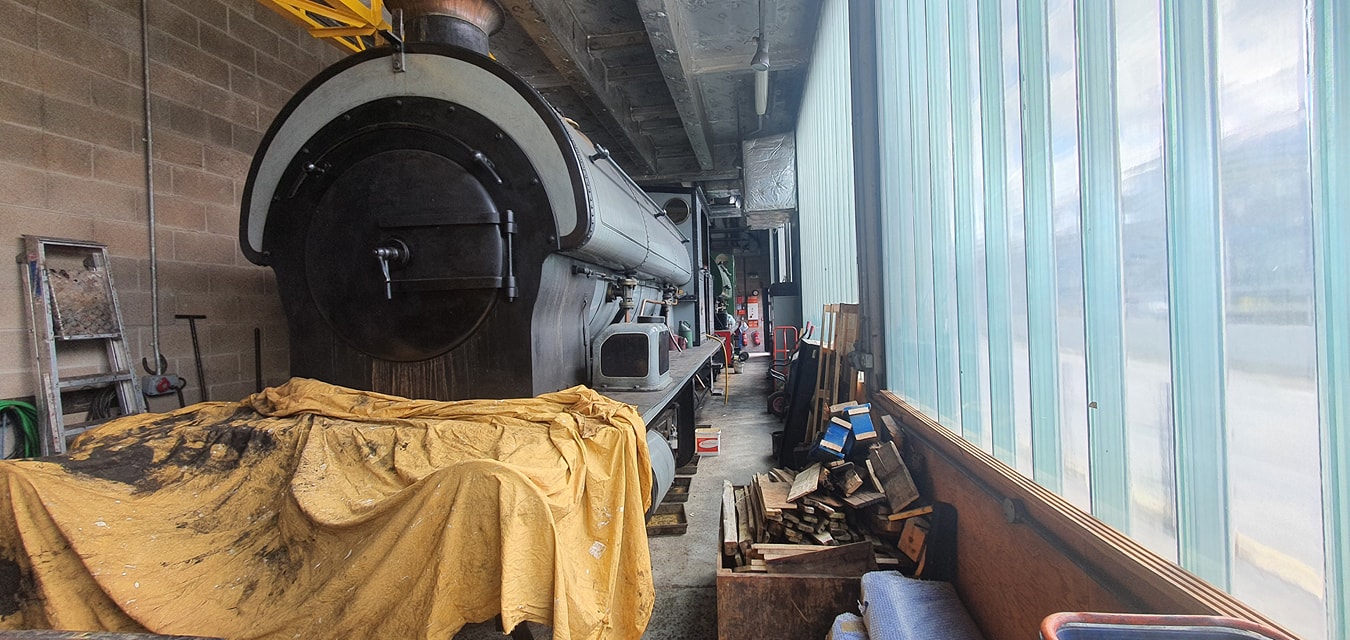
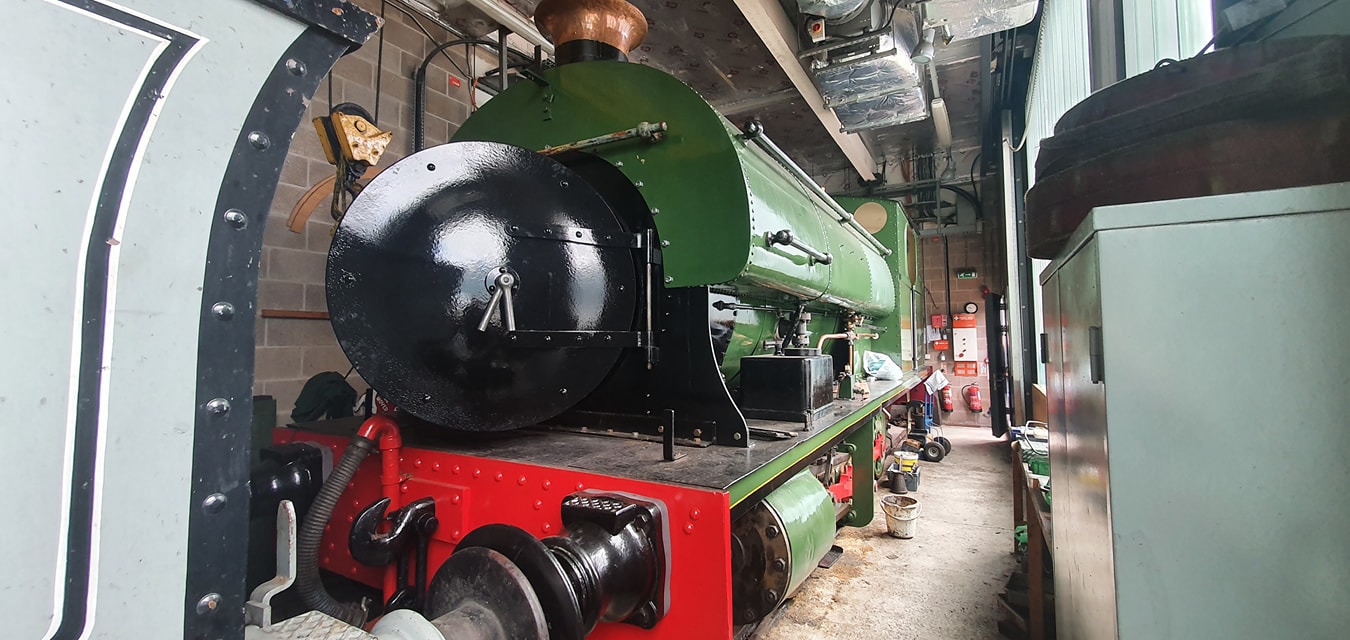
Last week, after a few discussions, 2 of our members visited the currently closed Bristol Harbour railway whilst on holiday. This unusual railway is part of the M Shed (Bristol Museums group). Based in L shed as part of the transport division, the L shed team look after all forms of transport items owned by the M Shed. We were greeted by Chris and taken through the transport section (including the first Concorde crew cabin mockup) to the locomotive workshop. Currently stored at the main shed are locomotives “Henbury” (Peckett No.1940 of 1937), “Portbury” (Avonside No.1764 of 1917) and the Coles rail crane (14090). Portbury and the Coles Crane are both operational. “Henbury” is an 0-6-0 Peckett locomotive and has just been rebuilt and testing is on-going. “Portbury” is one of “Cranford”‘s Avonside sisters. Being an early type of the same design but with a curved saddle tank instead of flat sides. Also part of the collection is Fox Walker (No.242 of 1874) completing a collection of locomotives built in Bristol, in Bristol! And finally aRuston Hornsby 165dm “the bug” (418792 of 1959) however these two are stored in a different location. The railway usually operates with a Conflat and BR Bogie Bolster E later rebuilt as a Turbot ballast wagon, both modified to carry passengers, followed up with a toad brake van. And on special occasions, demonstration freights are operated. The railway hopes to reopen this year in September/August however much of the track needs work and reopening may not take place until 2022. We kindly thank Chris Ecclestone, Corwin , and the team at the M Shed for allowing us this private visit and have given a donation to support the railway. If you would like to visit like us, contact the M Shed by email. Alternatively you can wait until the railway reopens, Or you might like to volunteer. If so you again contact the M shed. You can find more information on https://www.bristolmuseums.org.uk/m-shed/
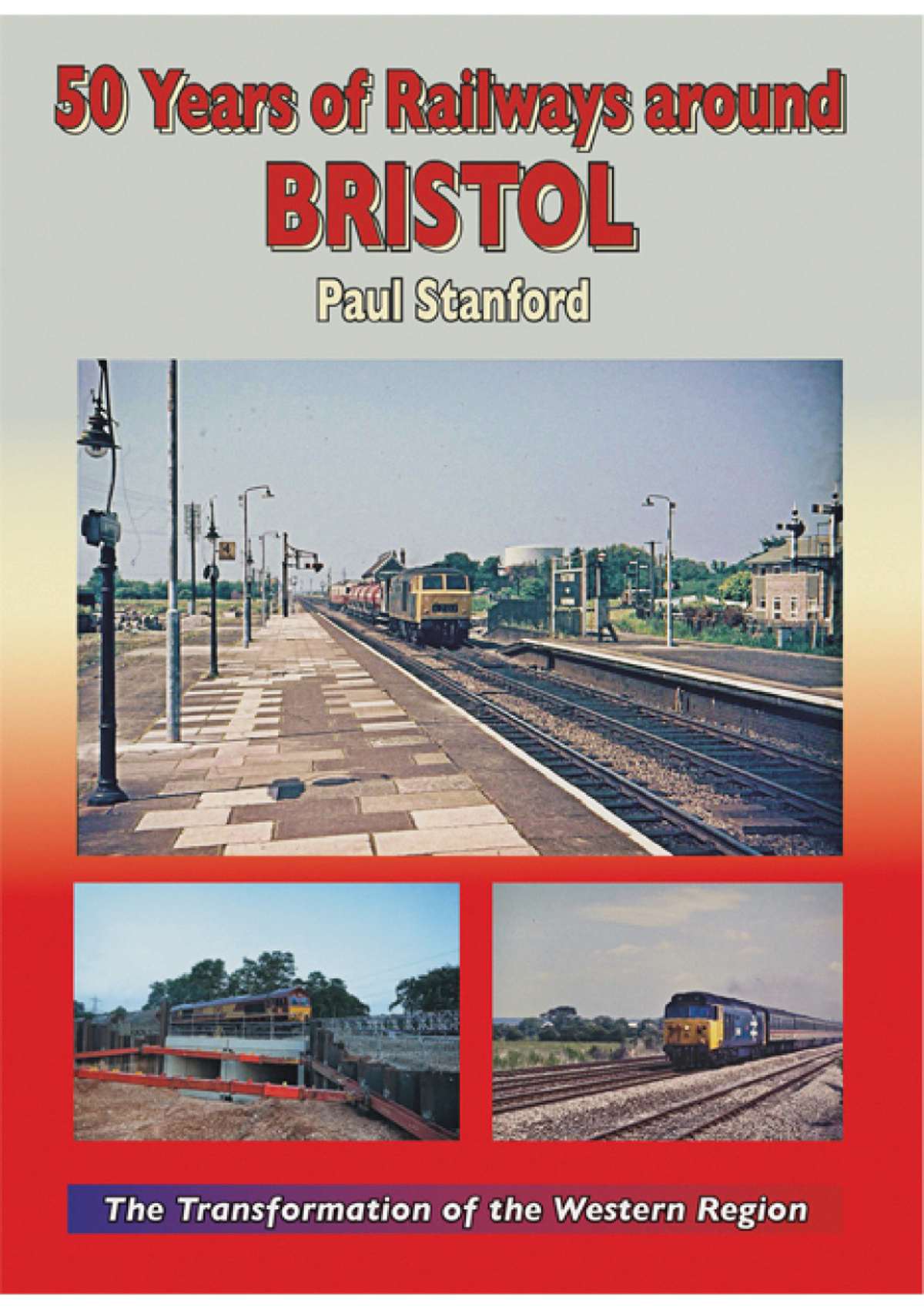
Followers of this blog will be interested to know that Paul Stanford, whose photos appear on this website along with those of his father, has published a book all about the railways of Bristol! Follow this link to purchase the book.
Telling the story of Bristol area railways over the last 50 years, this publication is lavishly illustrated, including many photos taken by rail employees that give a unique insight to railways around Bristol and the surrounding area. Included are well known locations but also railway byways and those serving industrial Avonmouth, now long lost. Also with photographic insights taken at train-care and maintenance depots, industrial plants and within signal boxes in the area; which still exist or have long now disappeared.
The book charts the decline and resurrection of railways around Bristol and its surrounding area, coming right up-to date with latest electrification works, coming from Bristol Area re-signalling in 1970.
Featuring relevant extracts of official rail publications including unique archive material and a unique set of maps over each decade recording the changes to the railways around Bristol to give a unique insight and record of railways around the city and surrounding area where rail was and is key to its success.
About the author: Paul Stanford is a 4th generation railway worker. He started his railway career at Bristol 35 years ago when he was 16. He worked in operations and commercial functions – including working there in the 1980s and 90s. In his formative railway years he worked Avonmouth Area Signal Boxes on his days off; to improve his railway and rule book knowledge. The past 5 years has seen him lead efforts to renew and enhance the railways on the Western Region. He is currently a Programme Director for Network Rail. As a keen cyclist he enjoys the countryside; combining this with an interest in photography; bird-spotting and architecture. He has volunteered in the heritage railway sector since he was 14; notably over 30 years spent on Bristol’s Avon Valley Railway and more recently on the Lincolnshire Coast Light Railway, a narrow gauge railway, home to a Bristol built steam locomotive named Jurassic. He is married to Fiona and their two sons Oliver and Toby are both at University.