It’s a Steam-Filled September Weekend!
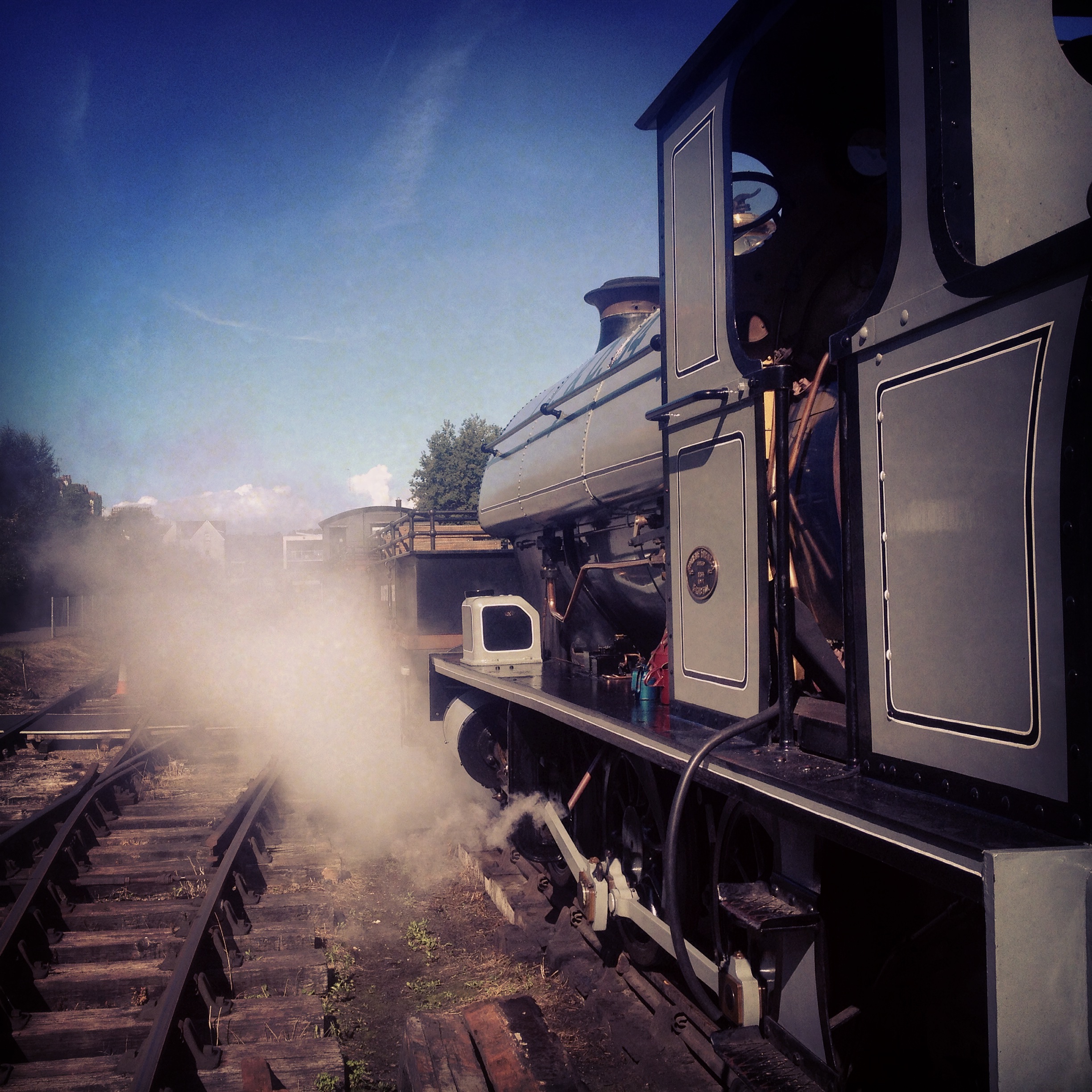
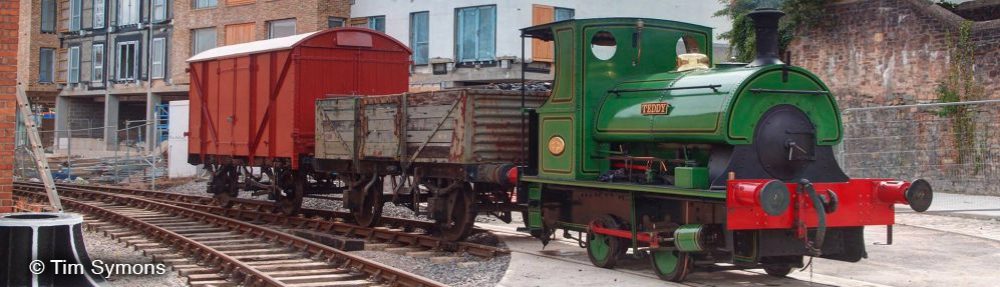
Portbury, the Fairbairn Steam Crane, and Mayflower the Steam Tug are all in operation, so come on down.
It’s a Steam-Filled September Weekend!
Portbury, the Fairbairn Steam Crane, and Mayflower the Steam Tug are all in operation, so come on down.
Way back in 2001, the previously-mothballed rail link to Portbury had been renovated and was due for re-opening. The opportunity was taken to run a special 3-coach train hauled by the museum’s own loco ‘Portbury’ from Parson Street Station (Where the Portishead branch leaves the Great Western Main Line) to the new terminal at Portbury dock.
A full write-up of this historic event written by Paul Stanford can be read on the Avon Valley Railway’s website here:
http://semaphore.avonvalleyrailway.org/html/avonside.html
Here are two videos on YouTube documenting the event, one taken from the leading carriage of the special train.
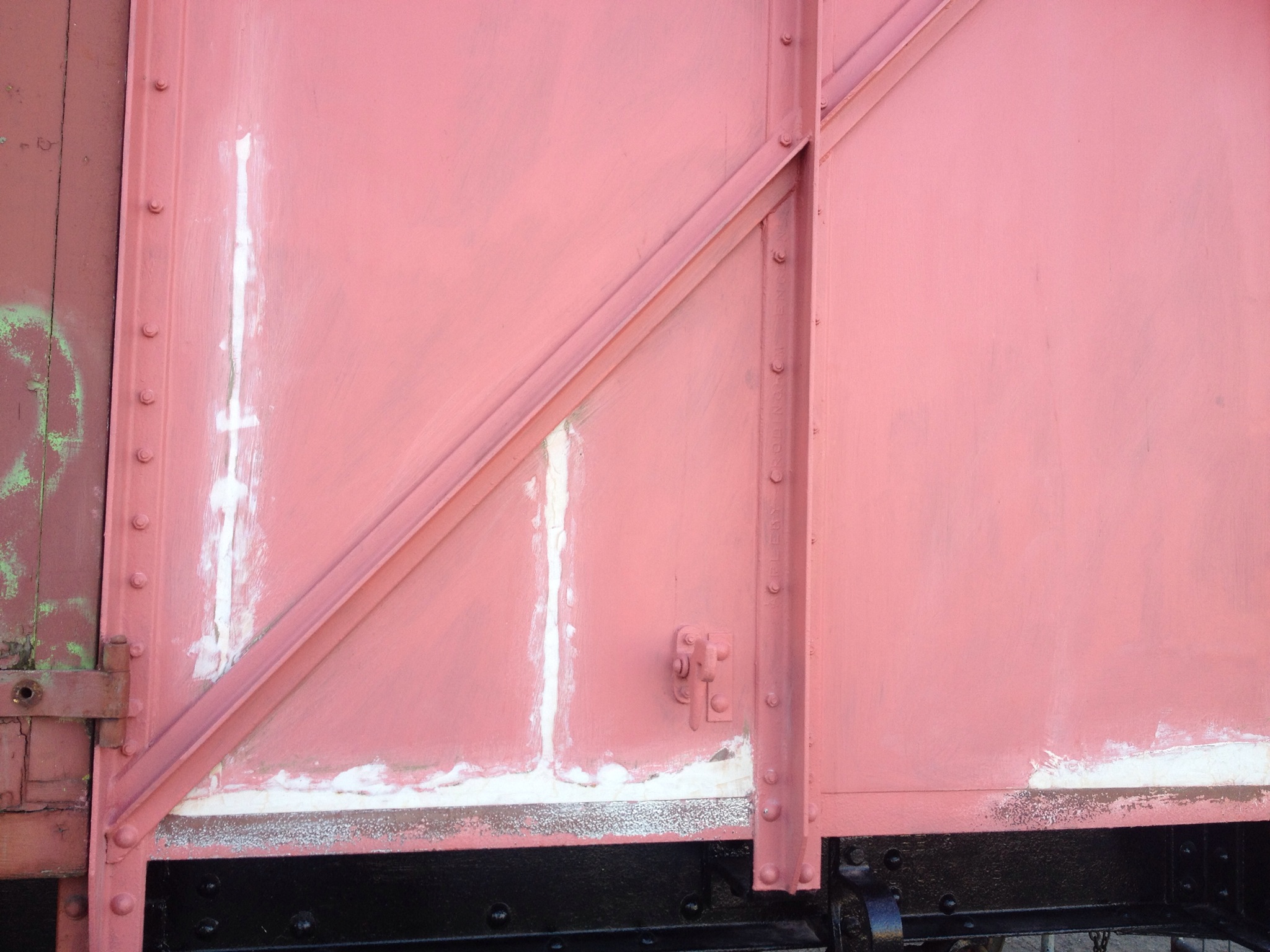
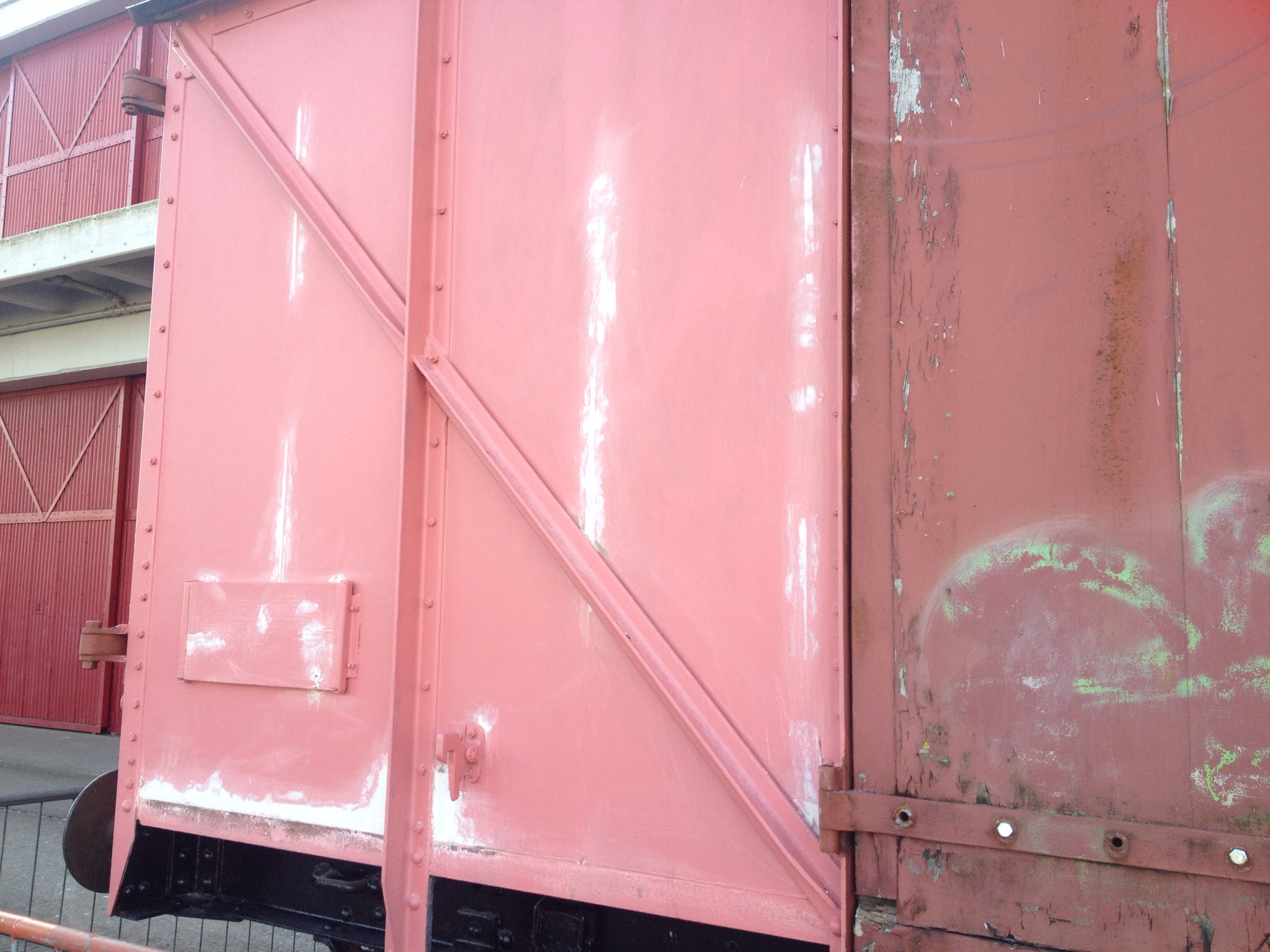
A couple of shots from this morning showing the work done to smooth out the sides of the MOGO, where rotten wood has been treated and filled.
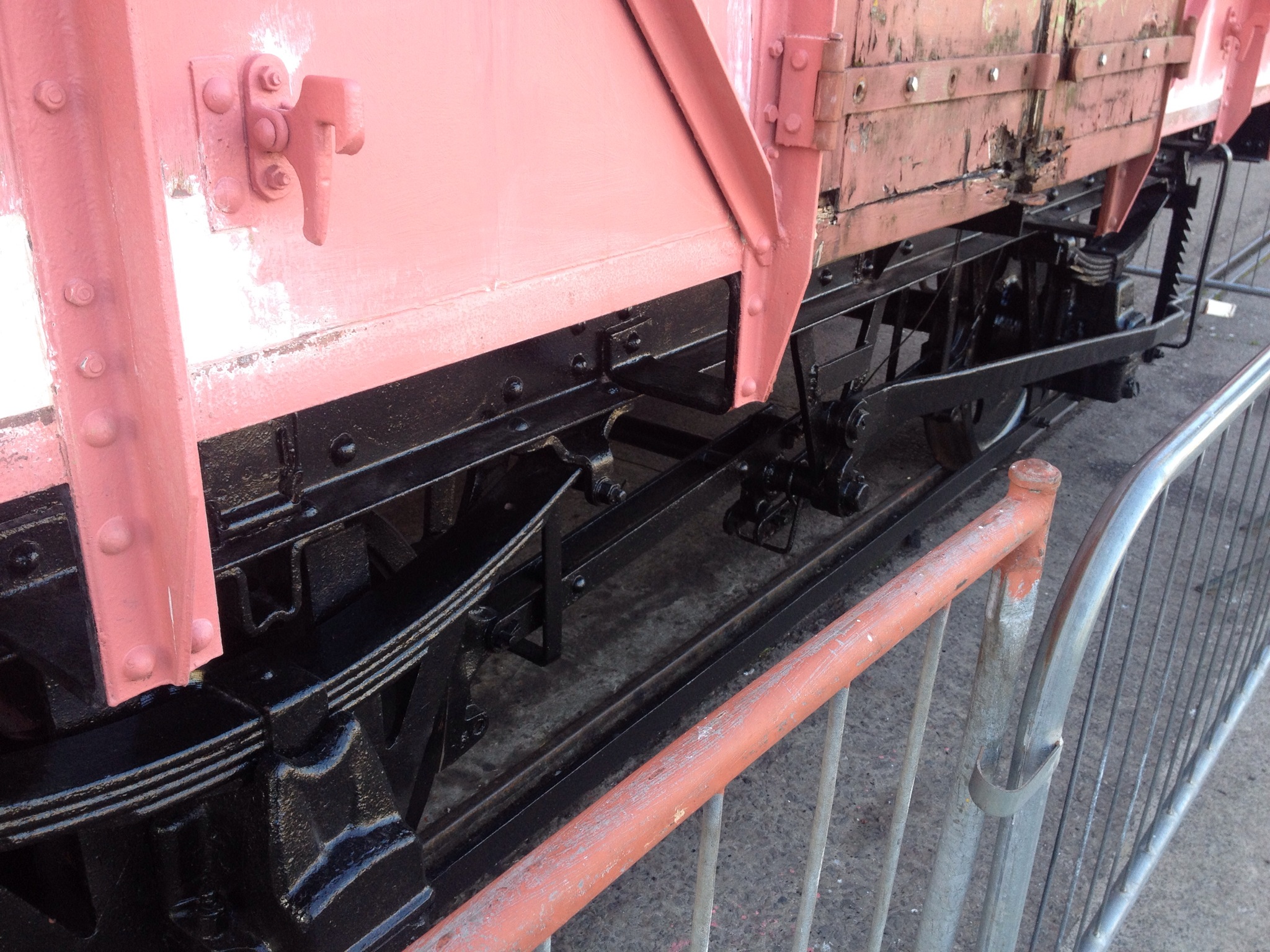
Also a view of the freshly painted underframes.
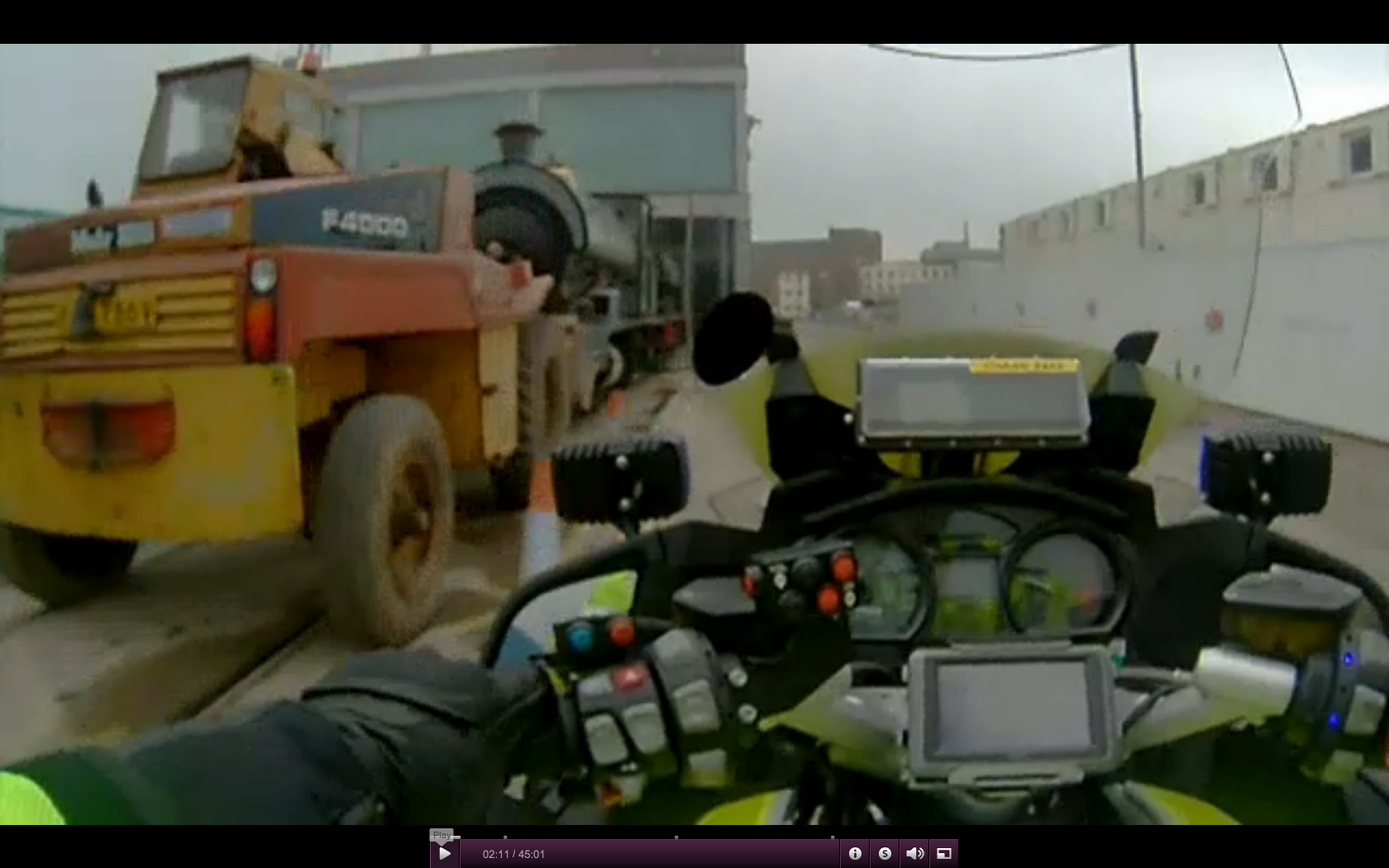
Never camera shy, the railway’s operational steam fleet made a cameo appearance on Channel 5’s ‘Emergency Bikers’ programme last week.

‘The Bug’ is the nickname for the green Ruston & Hornsby diesel shunter based on the railway.
The loco is not fitted with vacuum brakes so cannot haul passenger trains, but is one of the most useful bits of kit on the railway, along with Larry the Loader and the Self Propelled Crane. As a diesel loco, the time required to start up is a fraction of the that required to bring a steam engine up to working pressure, you just switch it on and go! This means it can be used to shunt wagons and locos about on non-operating days.
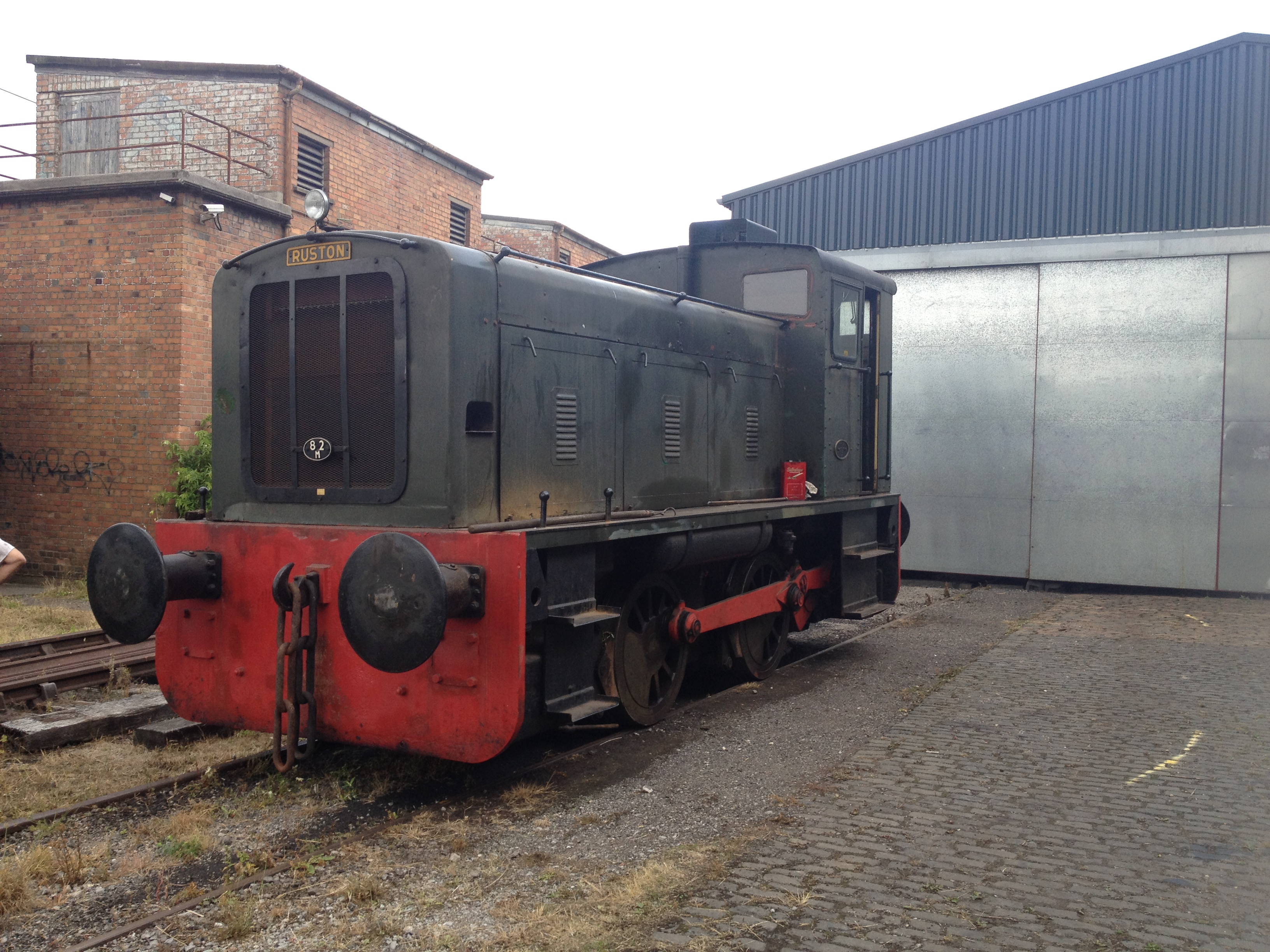
0-4-0 refers to the 4 coupled wheels, and the DM stands for Diesel Mechanical, meaning the engine drives the wheels through a mechanical transmission, rather than hydraulic or with electric traction motors as found on most modern locos.
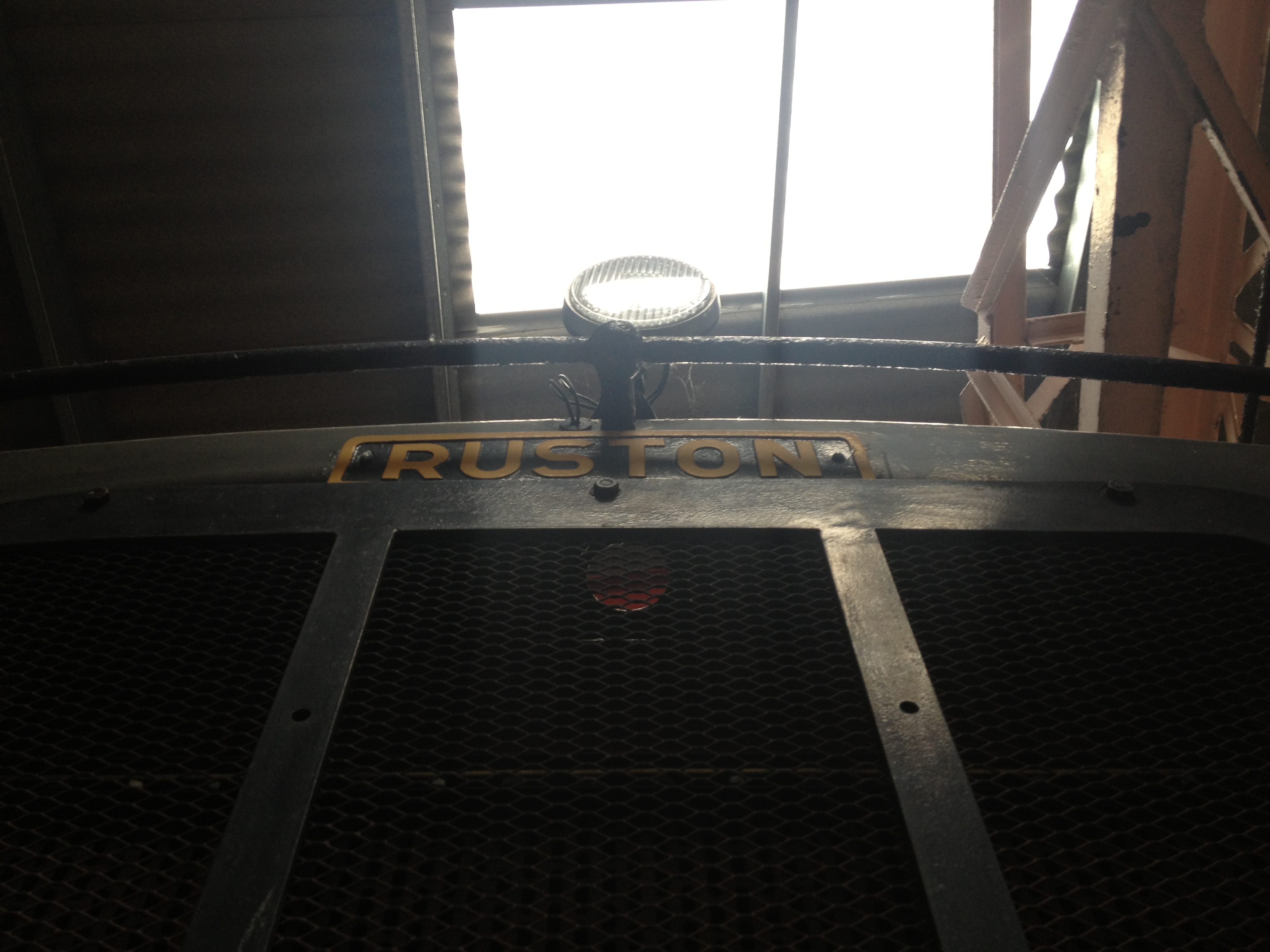
The Headlight and Makers’ Plate
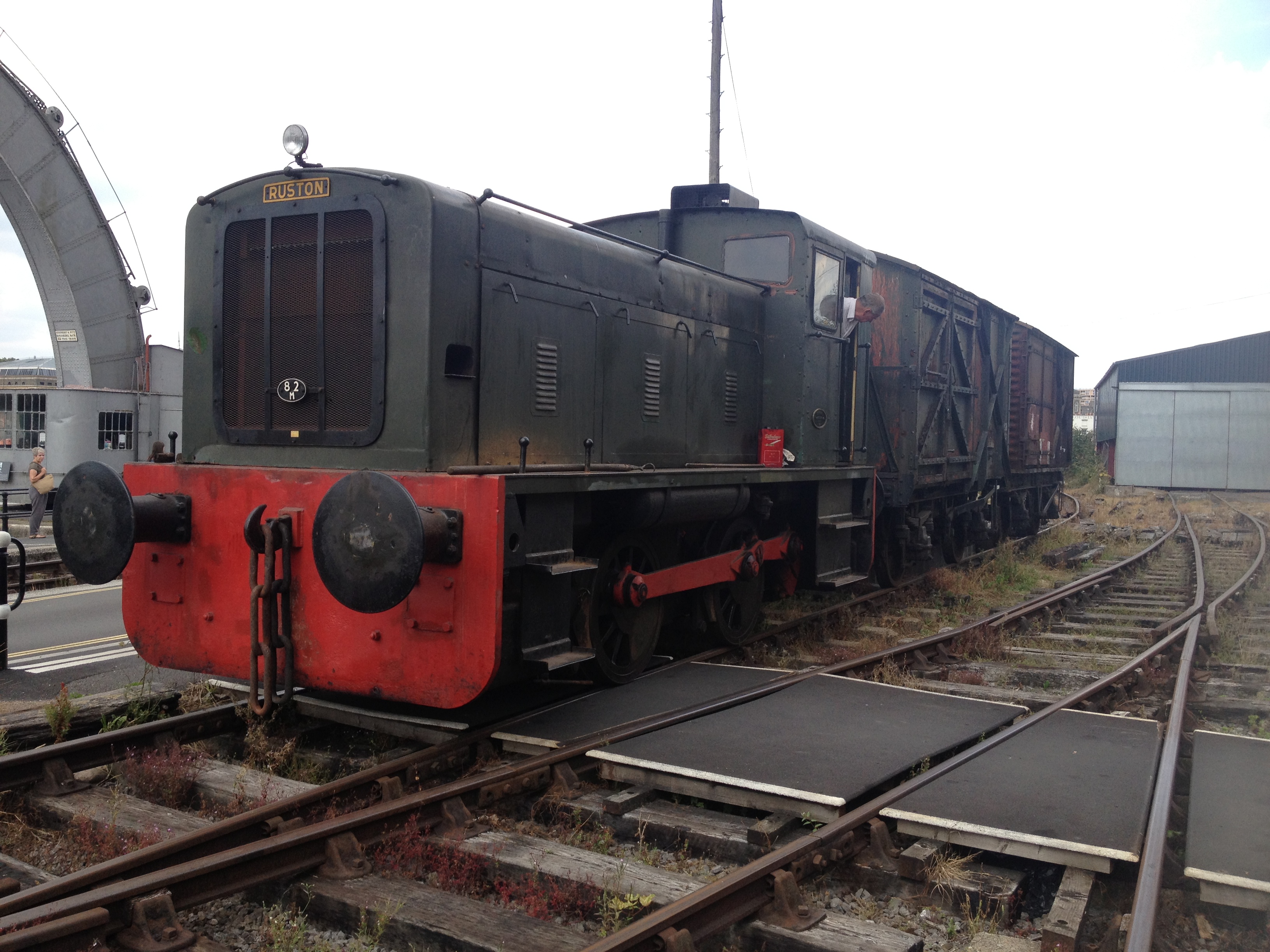
Shunting two vans off the inspection pit
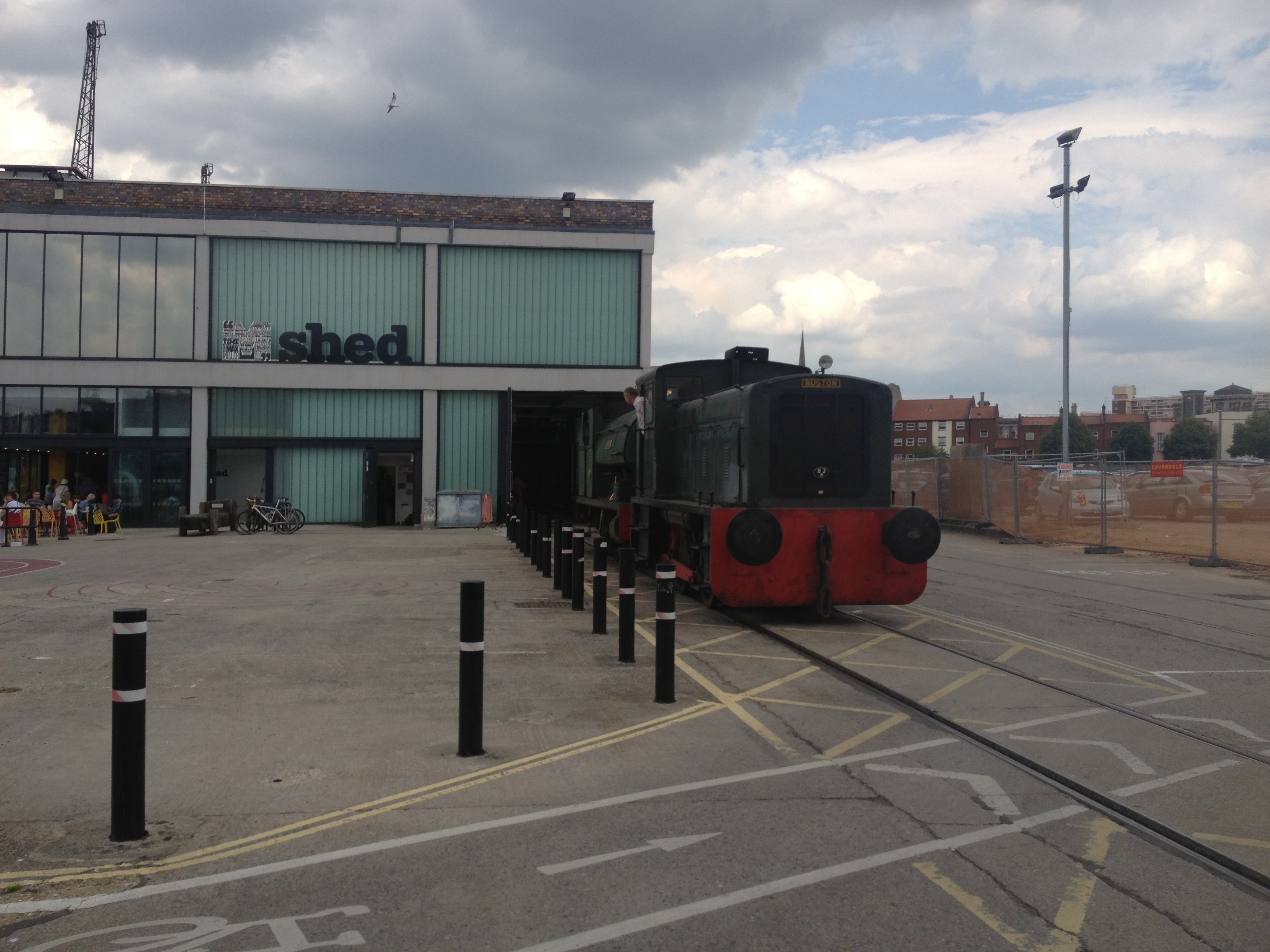
Shunting the two operational steam locos into the shed
The locomotive, like most of the rolling stock in the museum’s collection, has a local connection. For many years it worked at the British Gas site in Hallen Marsh near Avonmouth, and it was there that these two photos were taken.
These photographs are linked here from the Bristol Rail Archive site and are the property of Mike P.
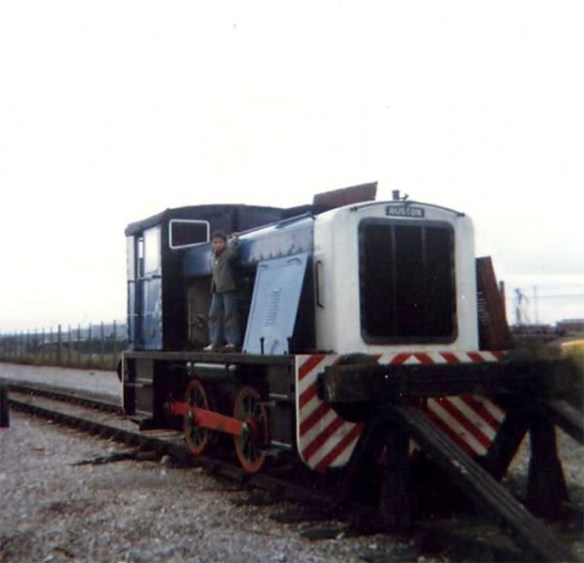
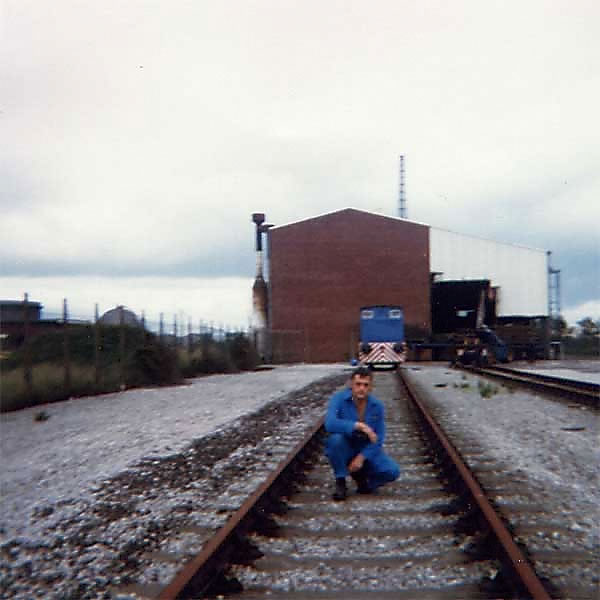
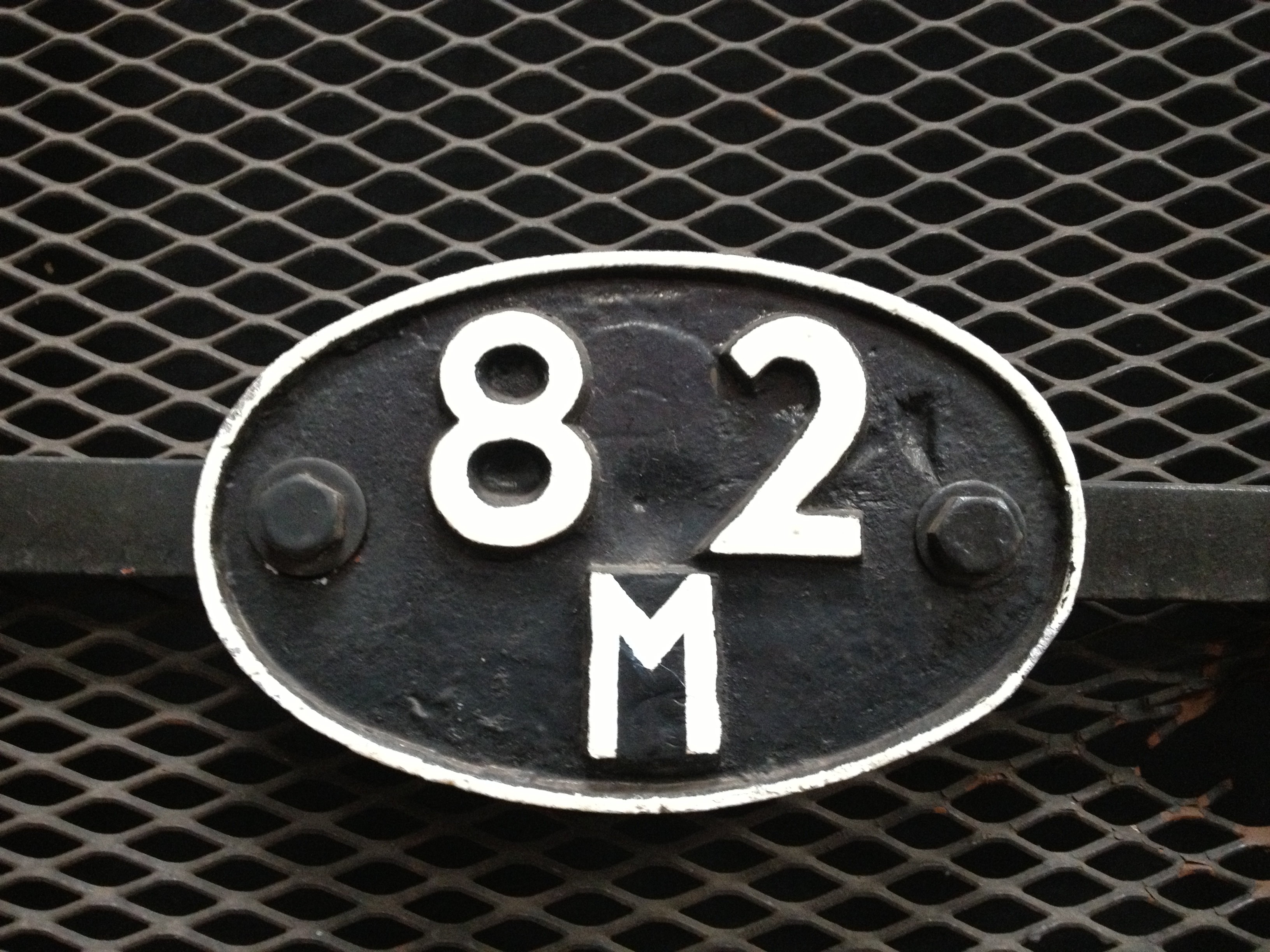
The loco was donated to the museum by British Gas in 1995. It was subsequently repainted green with red motion and bufferbeams, and given a fictional shedplate (82 was the Bristol area shed code under BR).
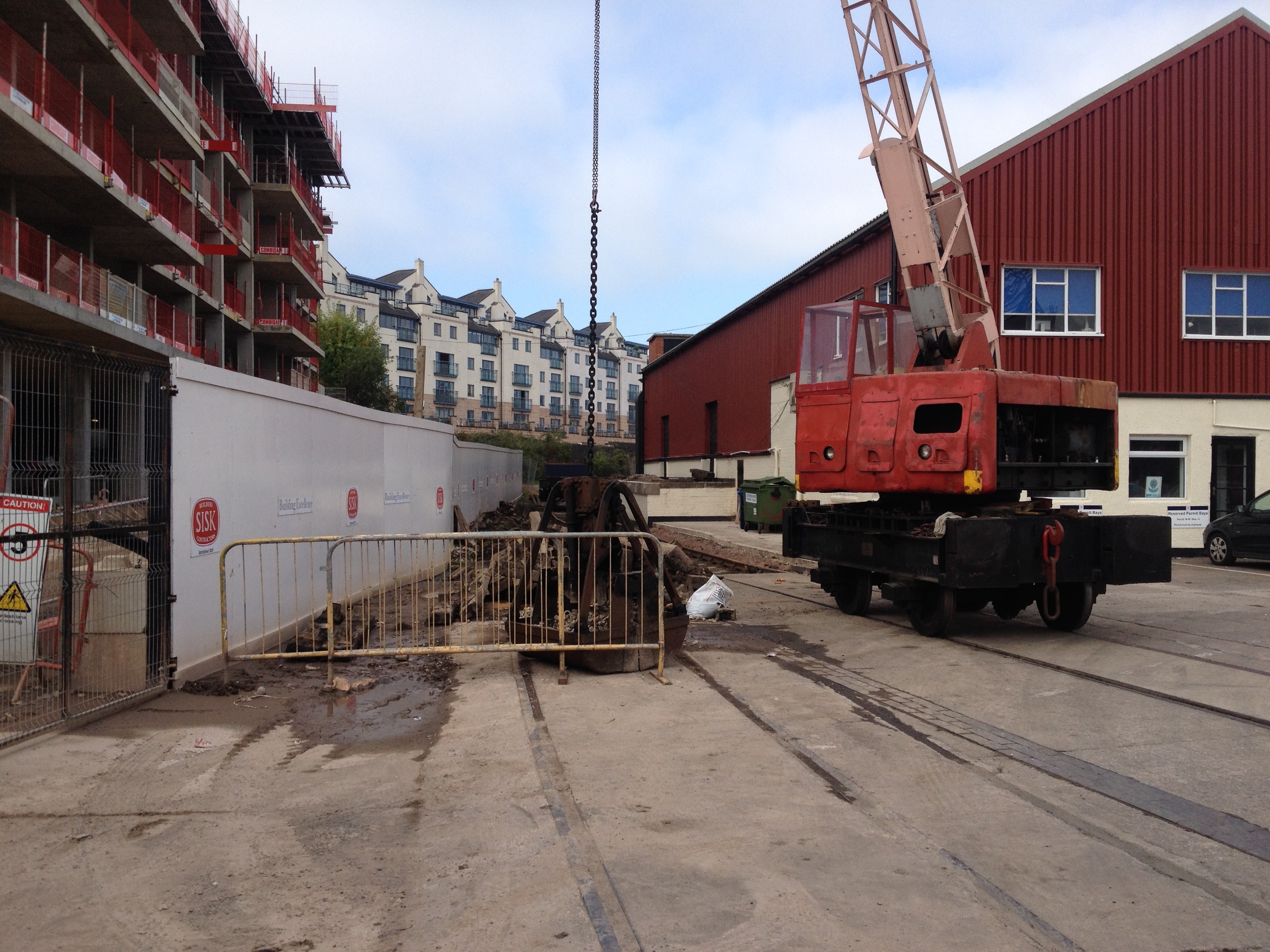
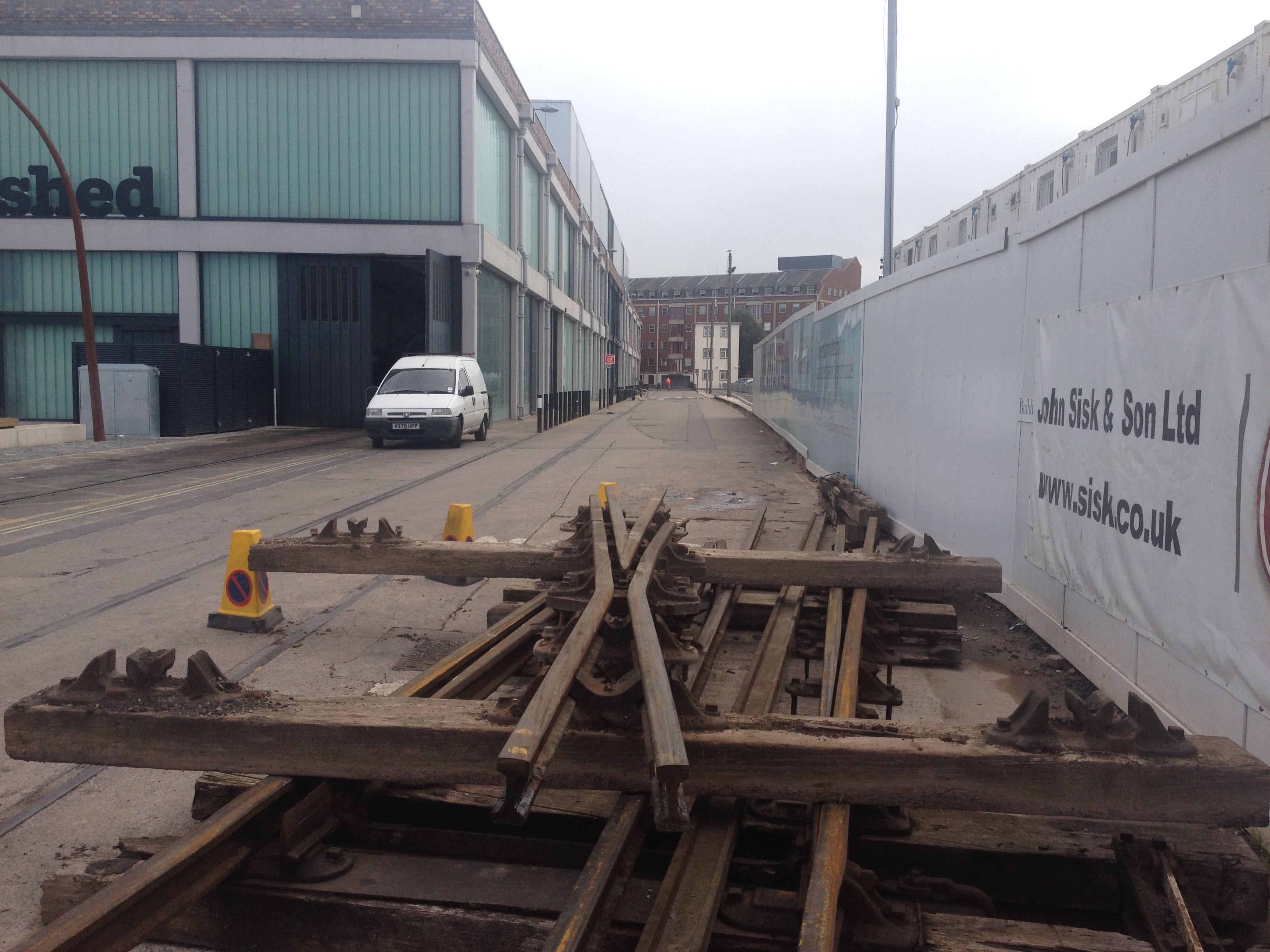
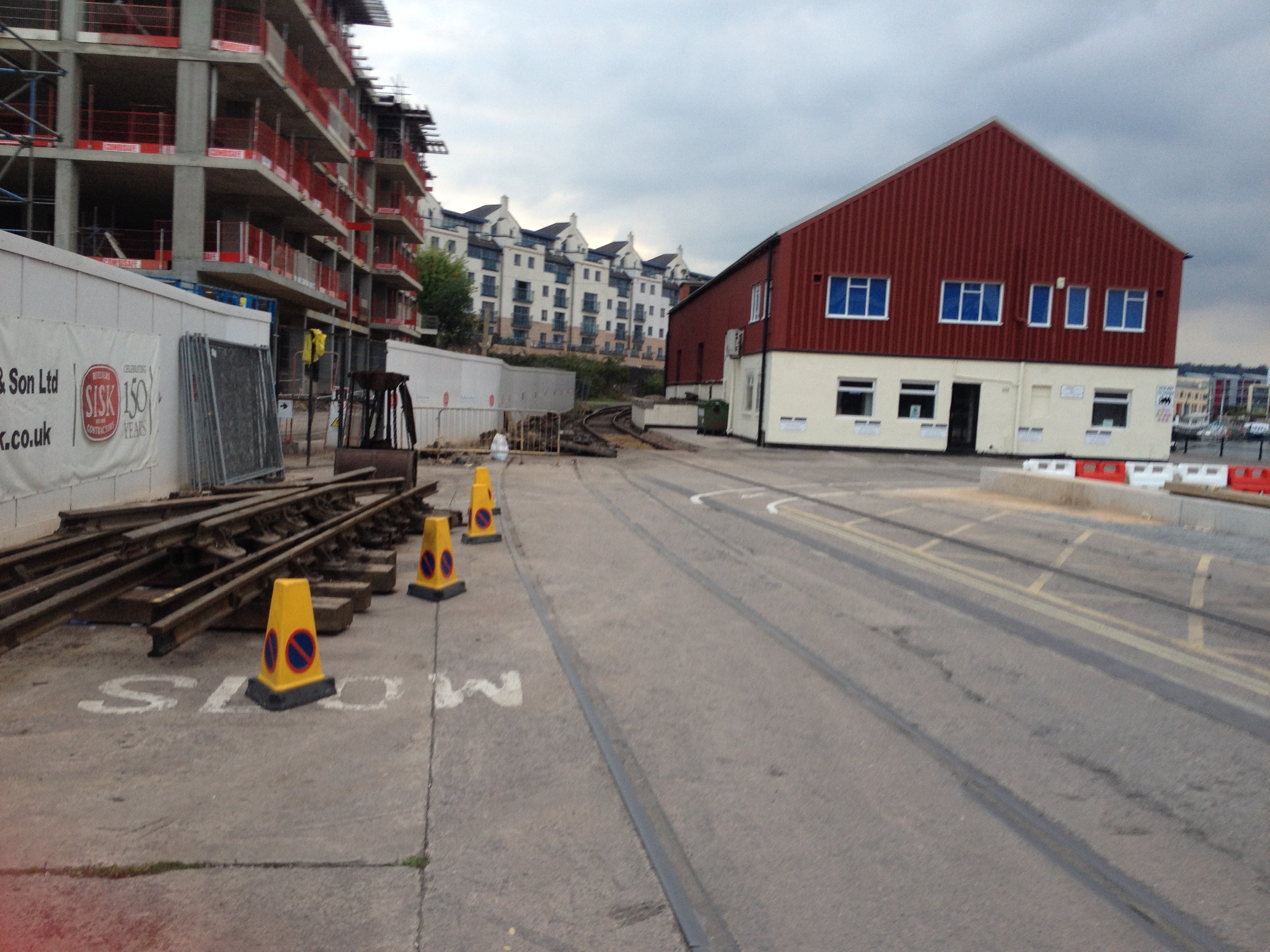
The staff and volunteers have removed the point from the shed road, formerly used as the coal wagon siding. This has now been relayed with plain rail. The access road’s new formation will go straight on here and round the back of the olive shed.
While the BHR currently operates the ex-British Gas shunter (Known as ‘The Bug’), this isn’t the first Ruston & Hornsby Diesel to have worked on the docks railways in Bristol.
In July 1952, just over the water at the Bristol Gas Company’s works at Canon’s Marsh (Now the site of luxury new build and re-build flats), a 4-wheel diesel mechanical shunter is at work.

This photo is reposted from Rail Photoprints and can be purchased at this link.
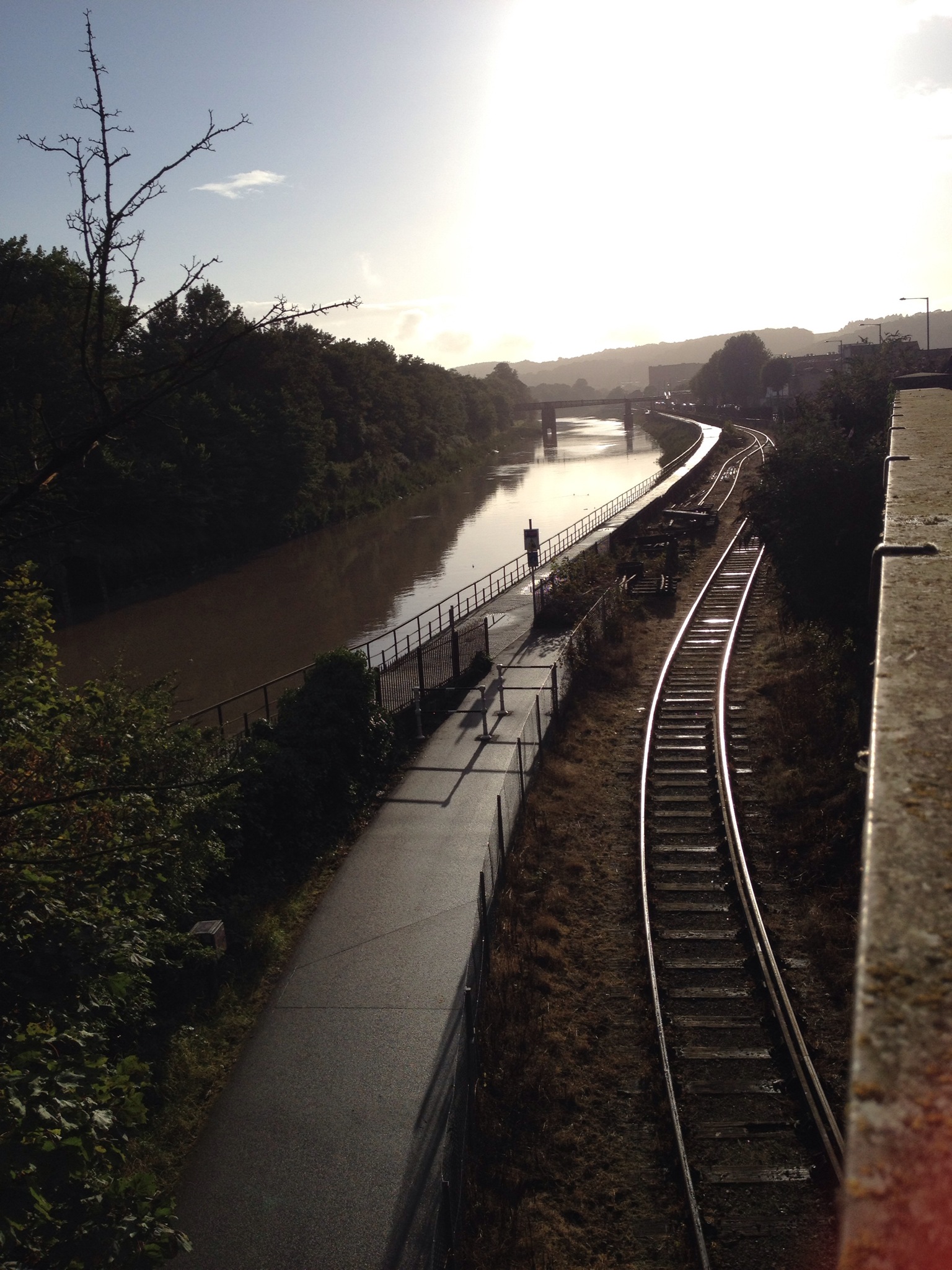
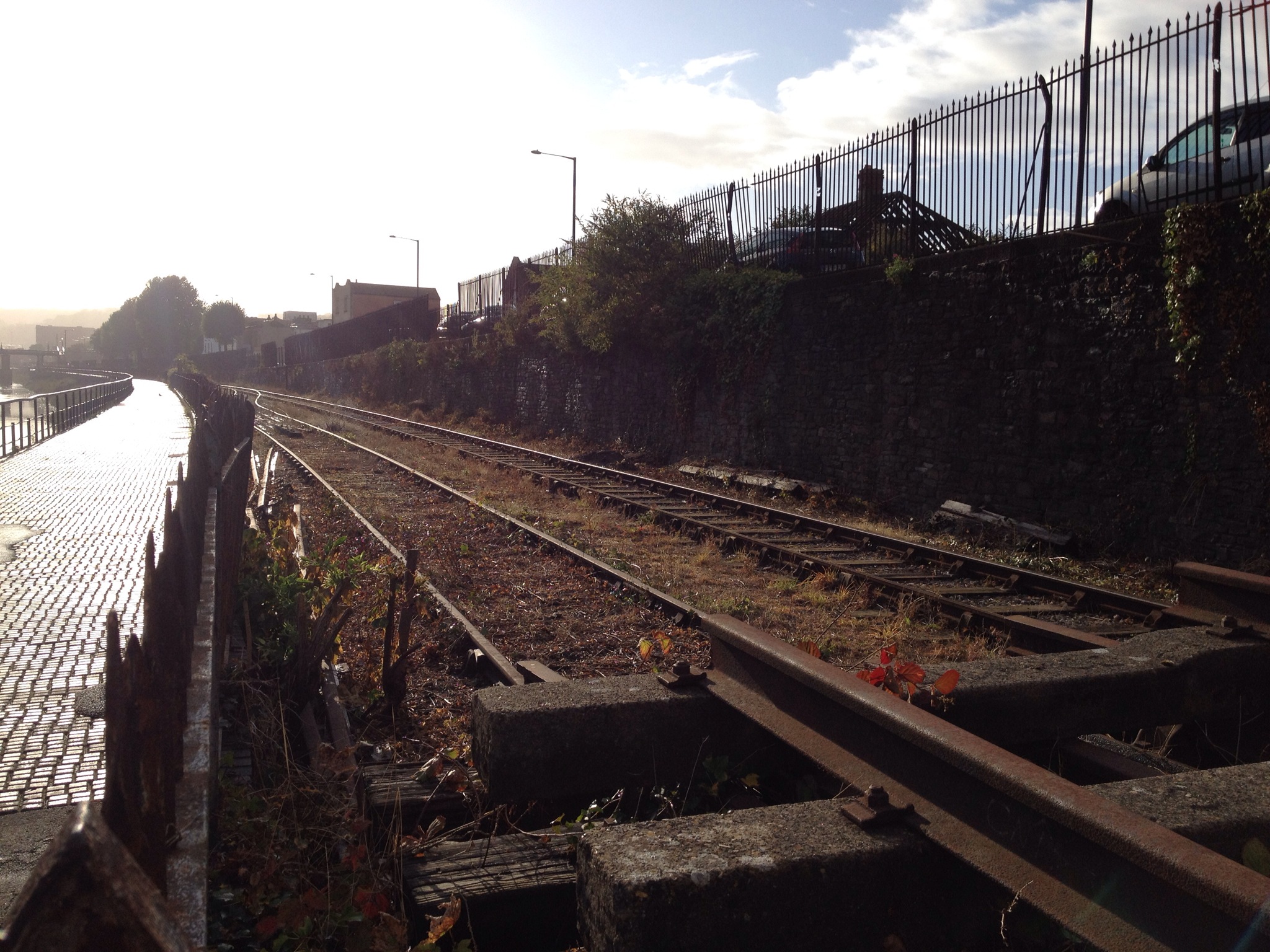
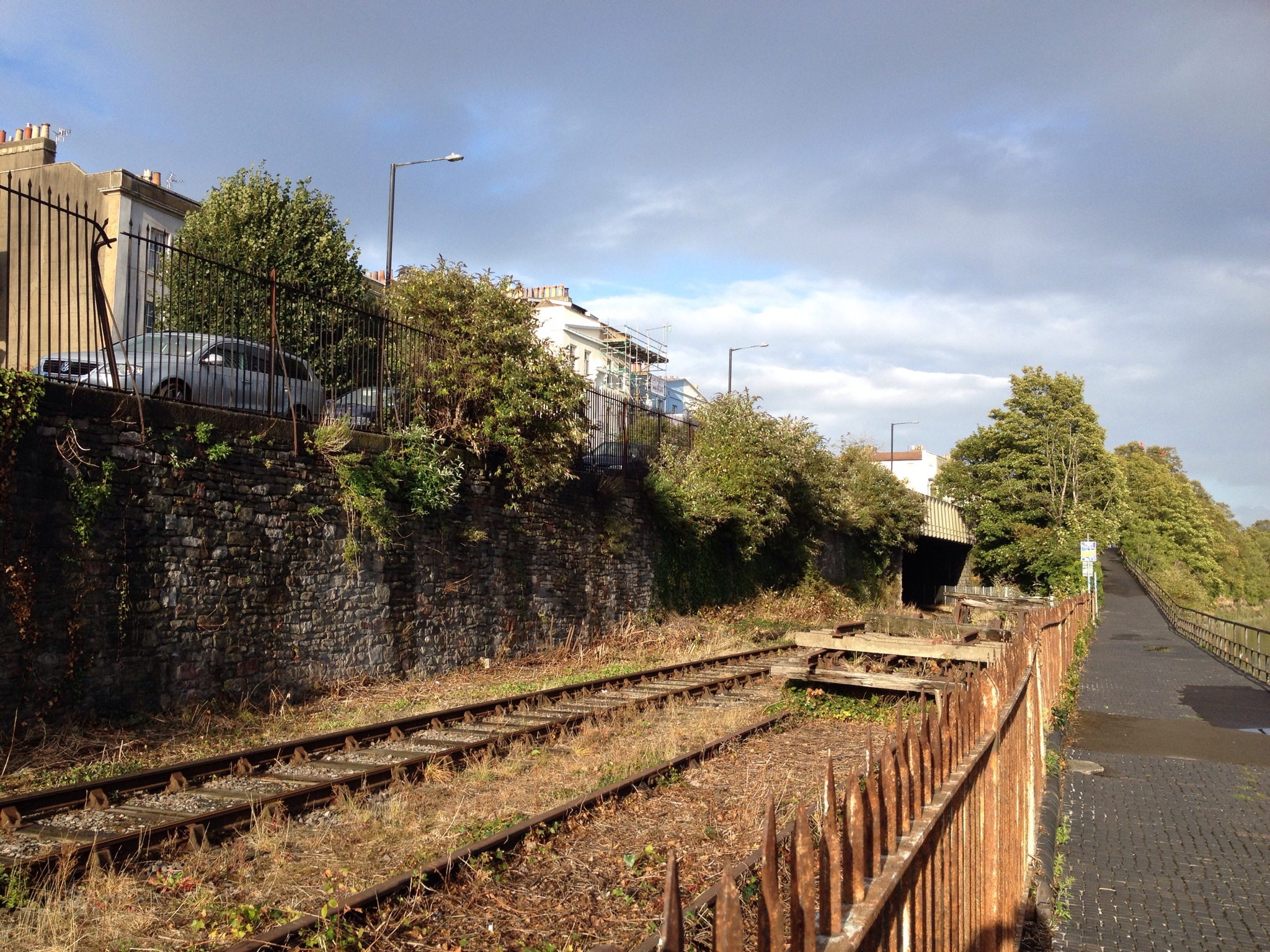
One of the main aims of 2014 has been to tidy up the overall look of the railway. This has ranged from the restoration of the MOGO van, to weedkilling and cutting back branches.
Even the simple things such as picking up litter can make a huge difference. From the small area next to the river siding came enough rubbish to fill 2 large sacks.
Here is the river siding earlier this year:
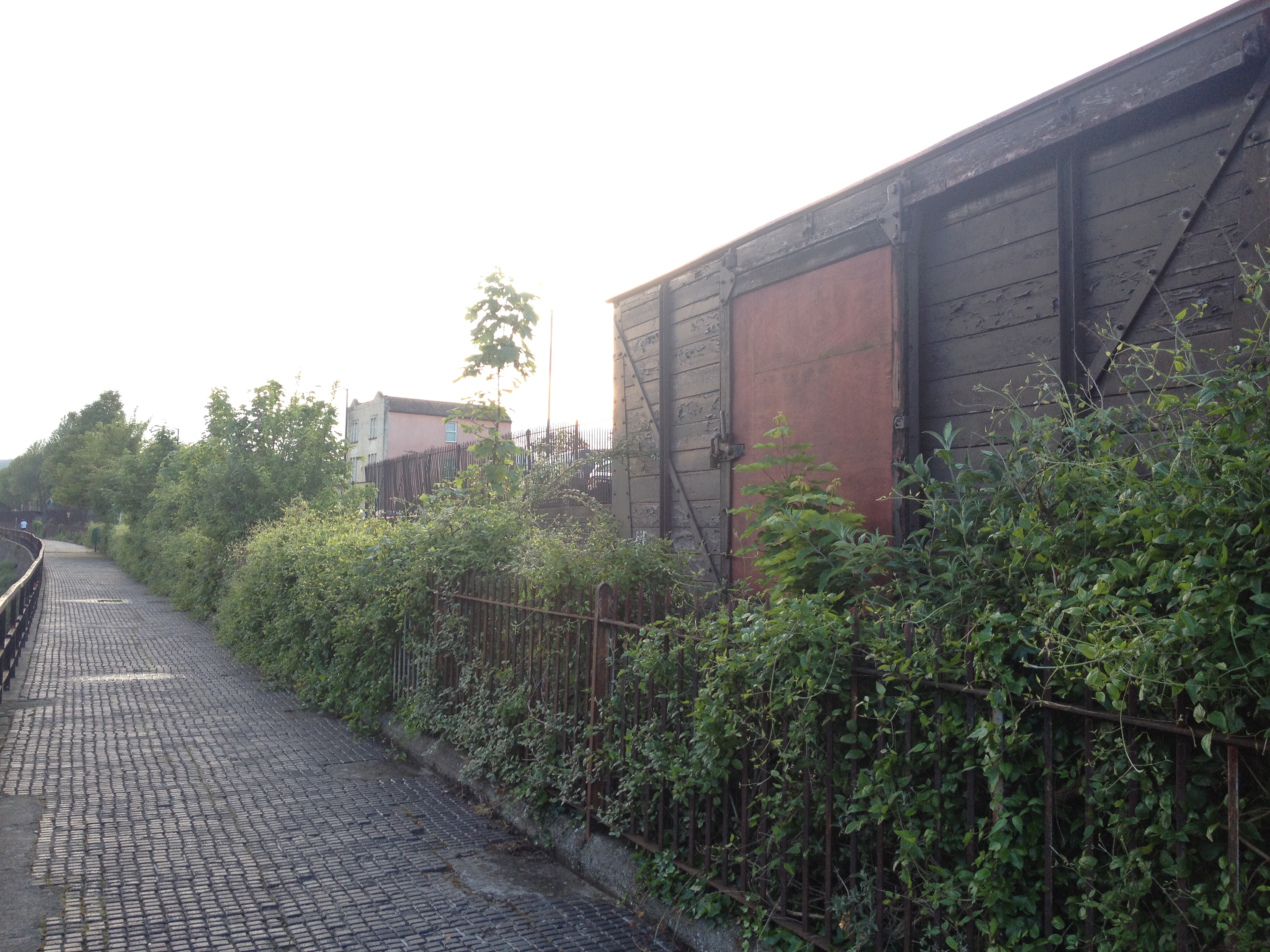
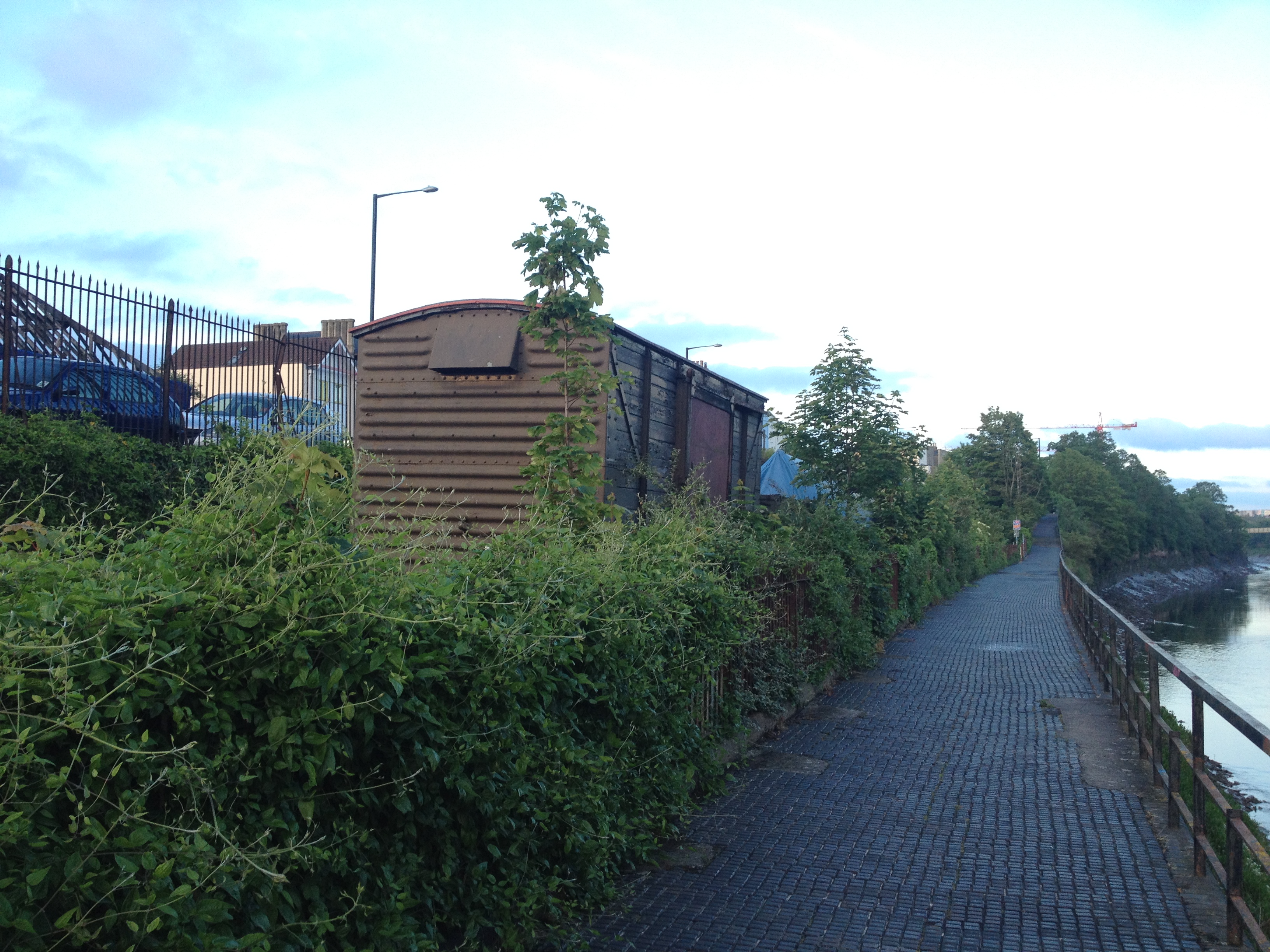
Today:
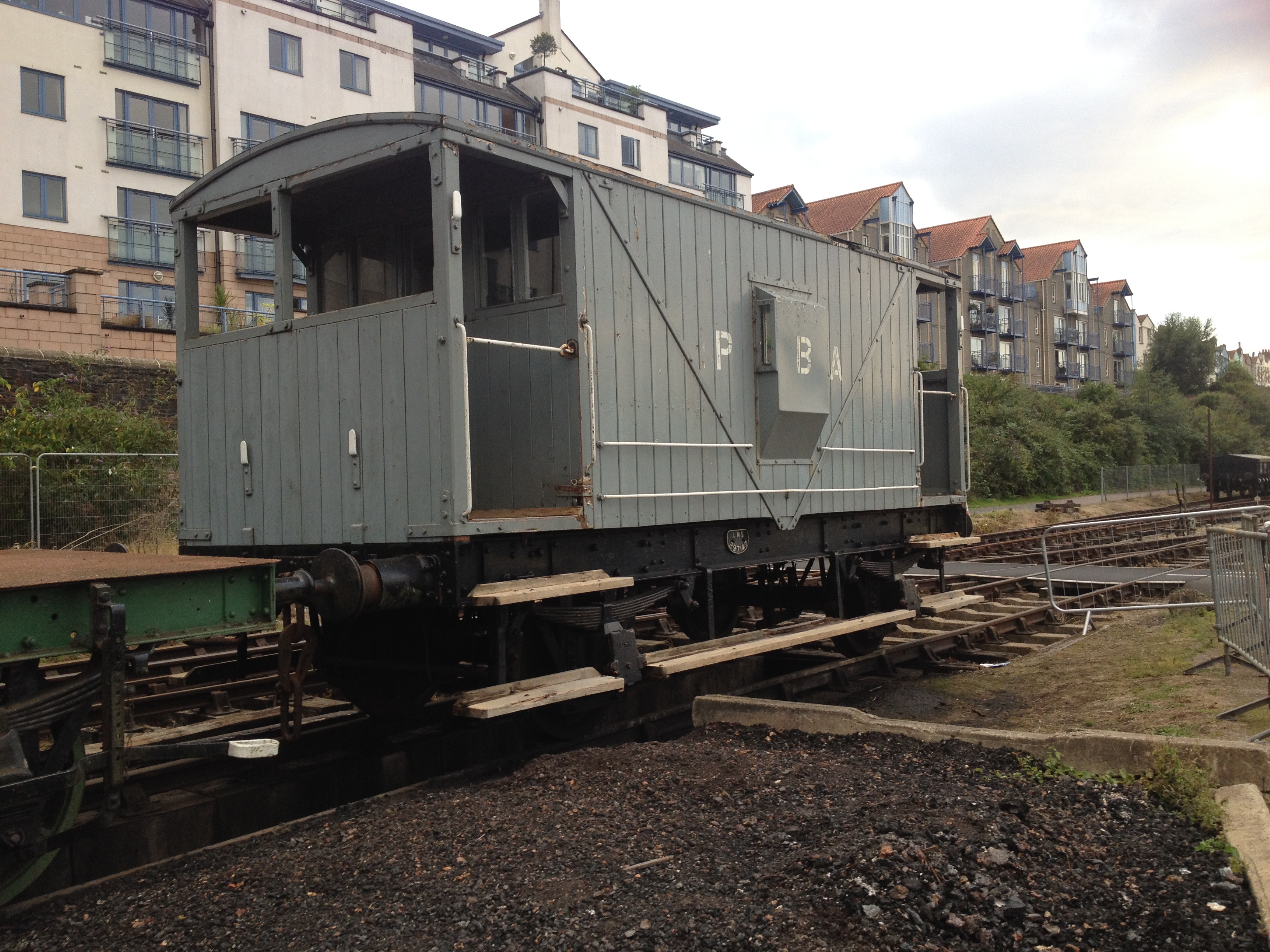
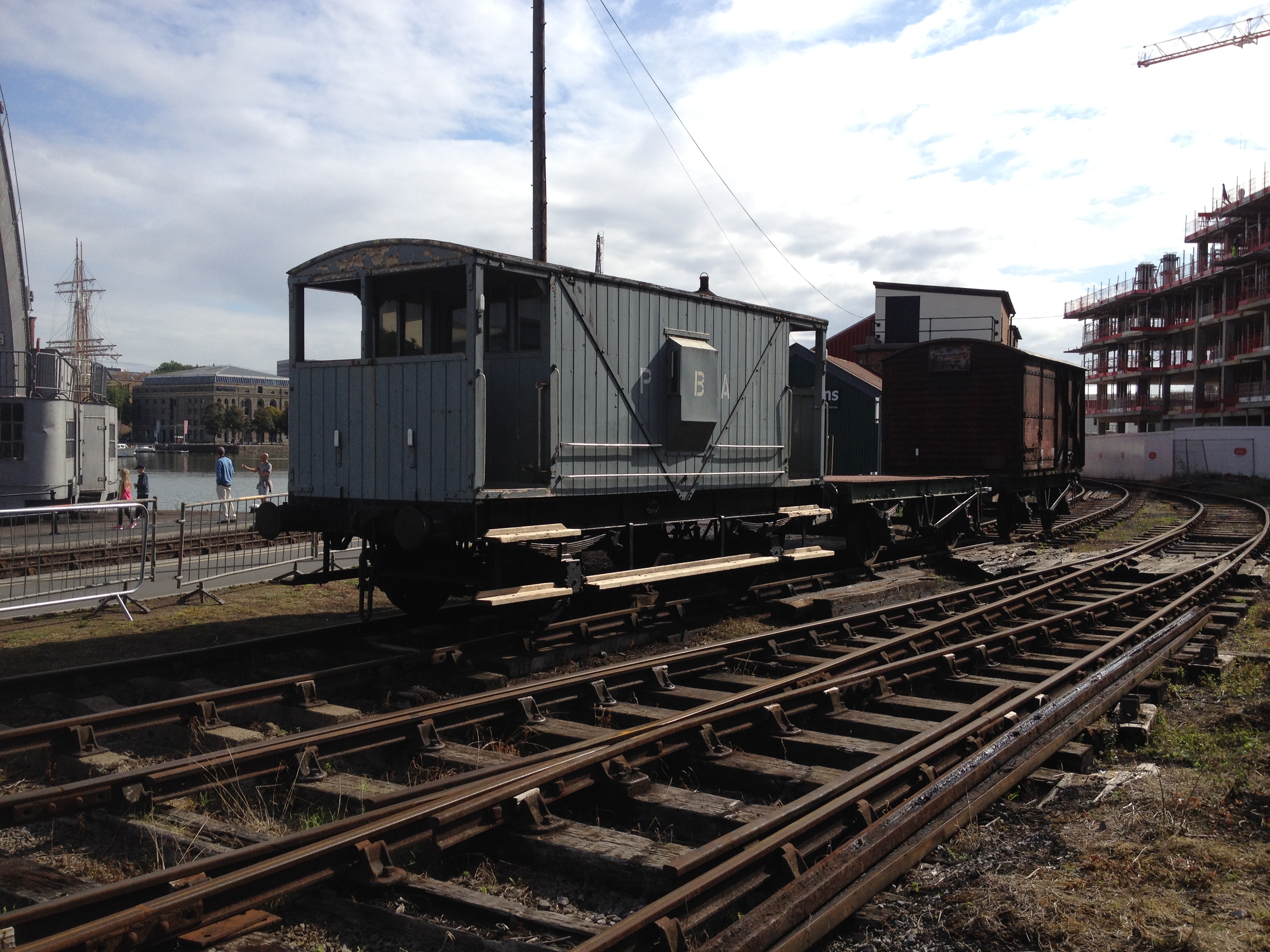
The PBA brake van has also had a clean. The North side of the wagons, facing away from sunlight, can get very dirty and covered in moss.
Before:
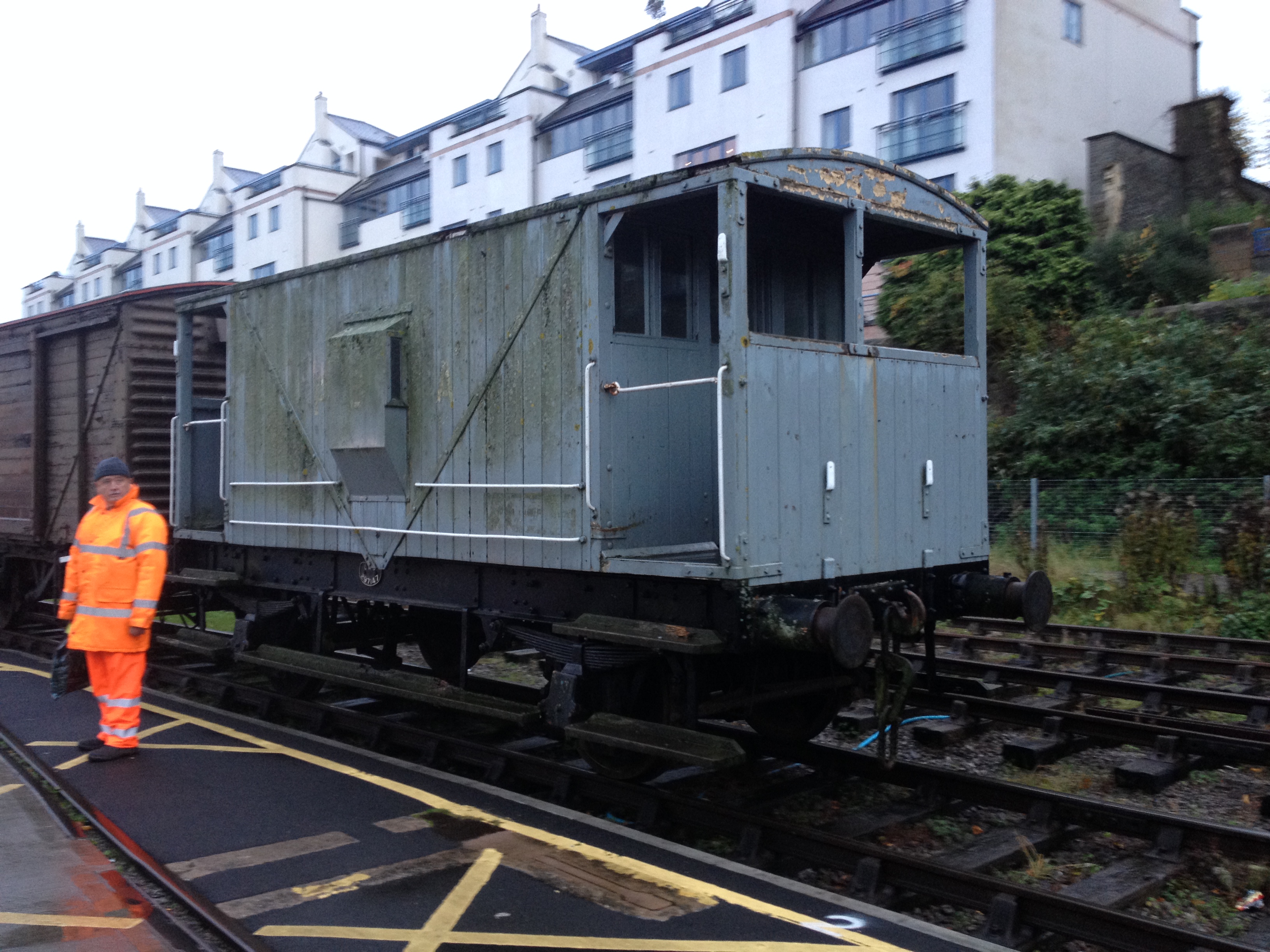
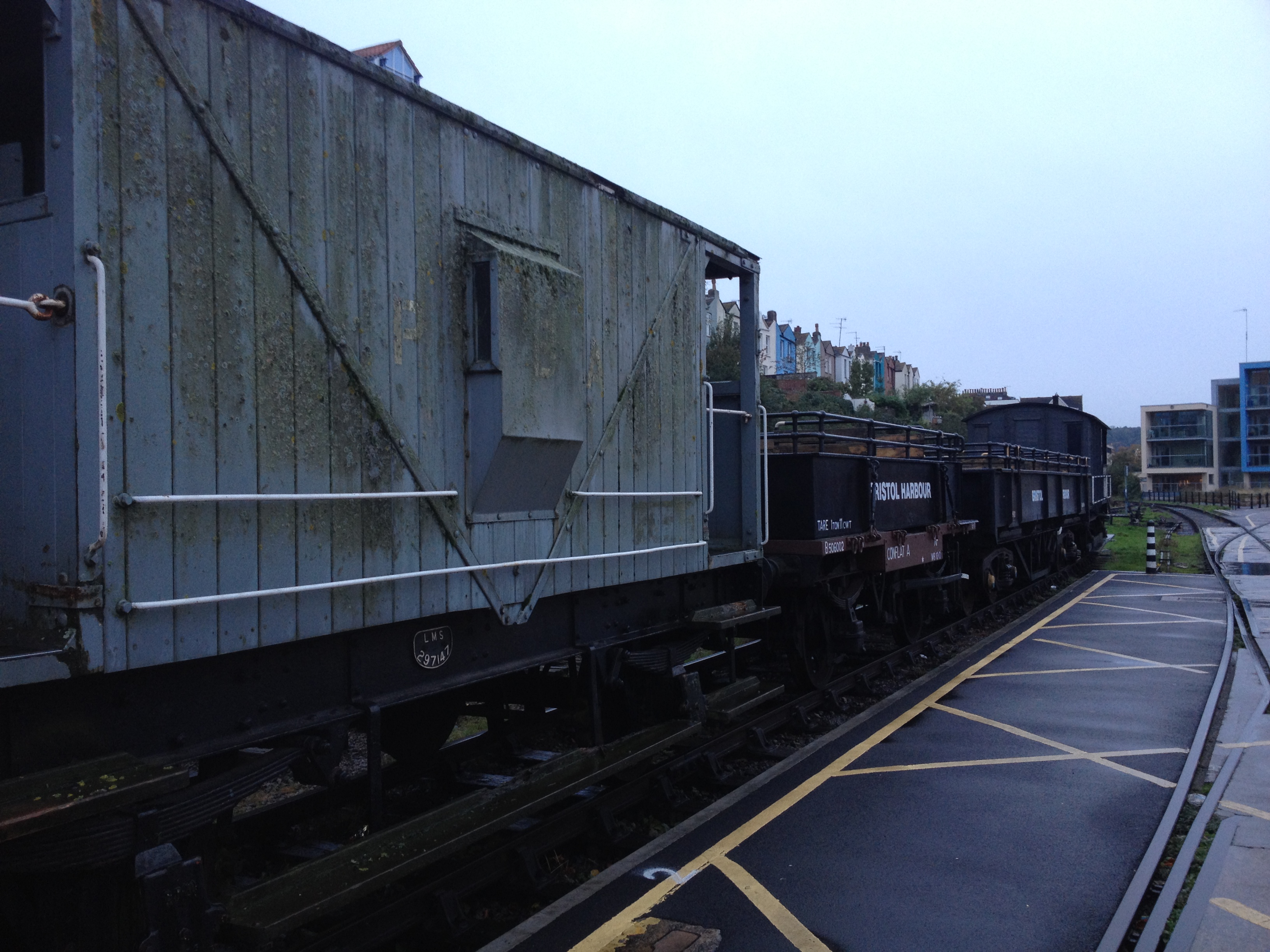
After:
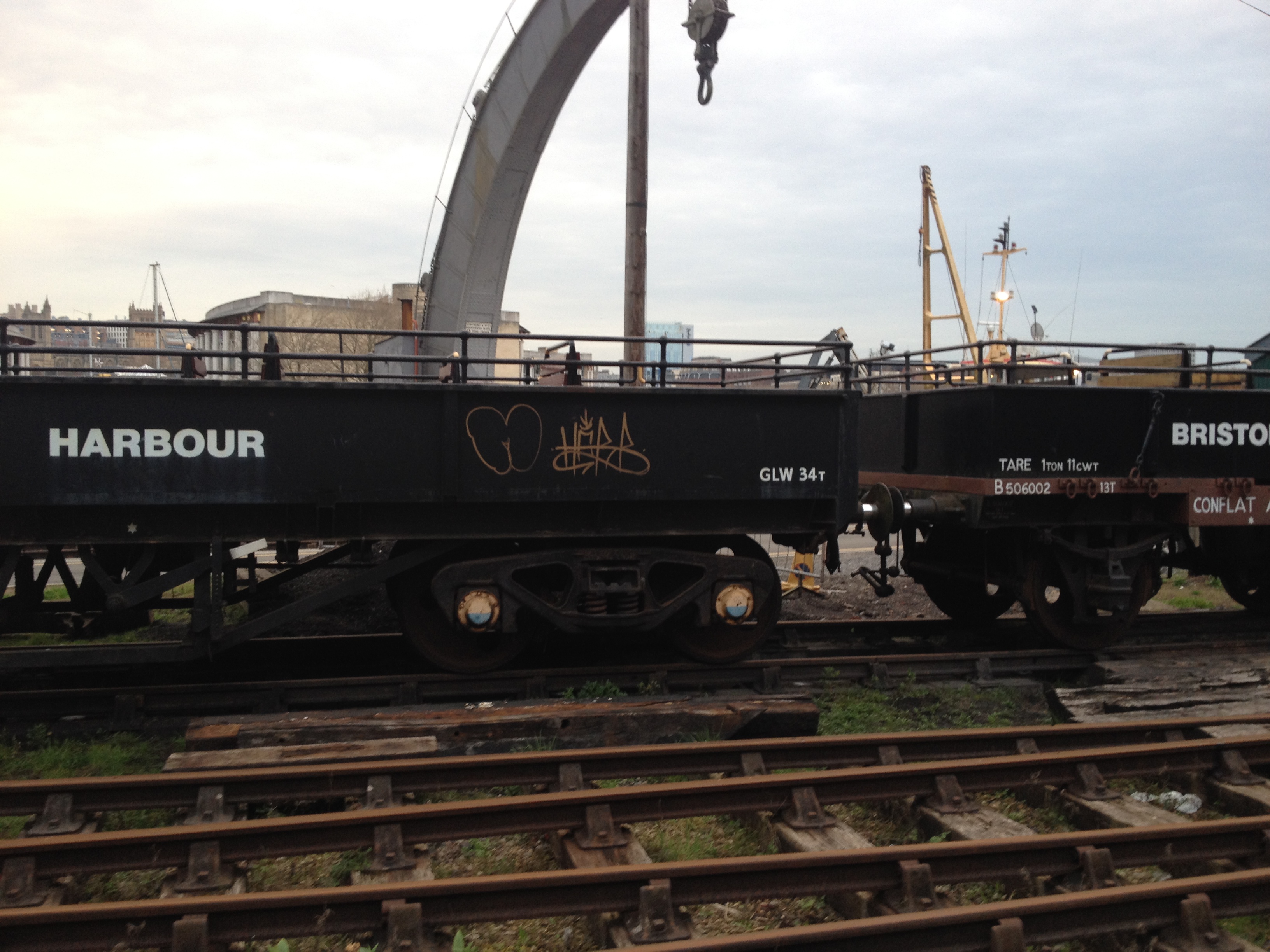
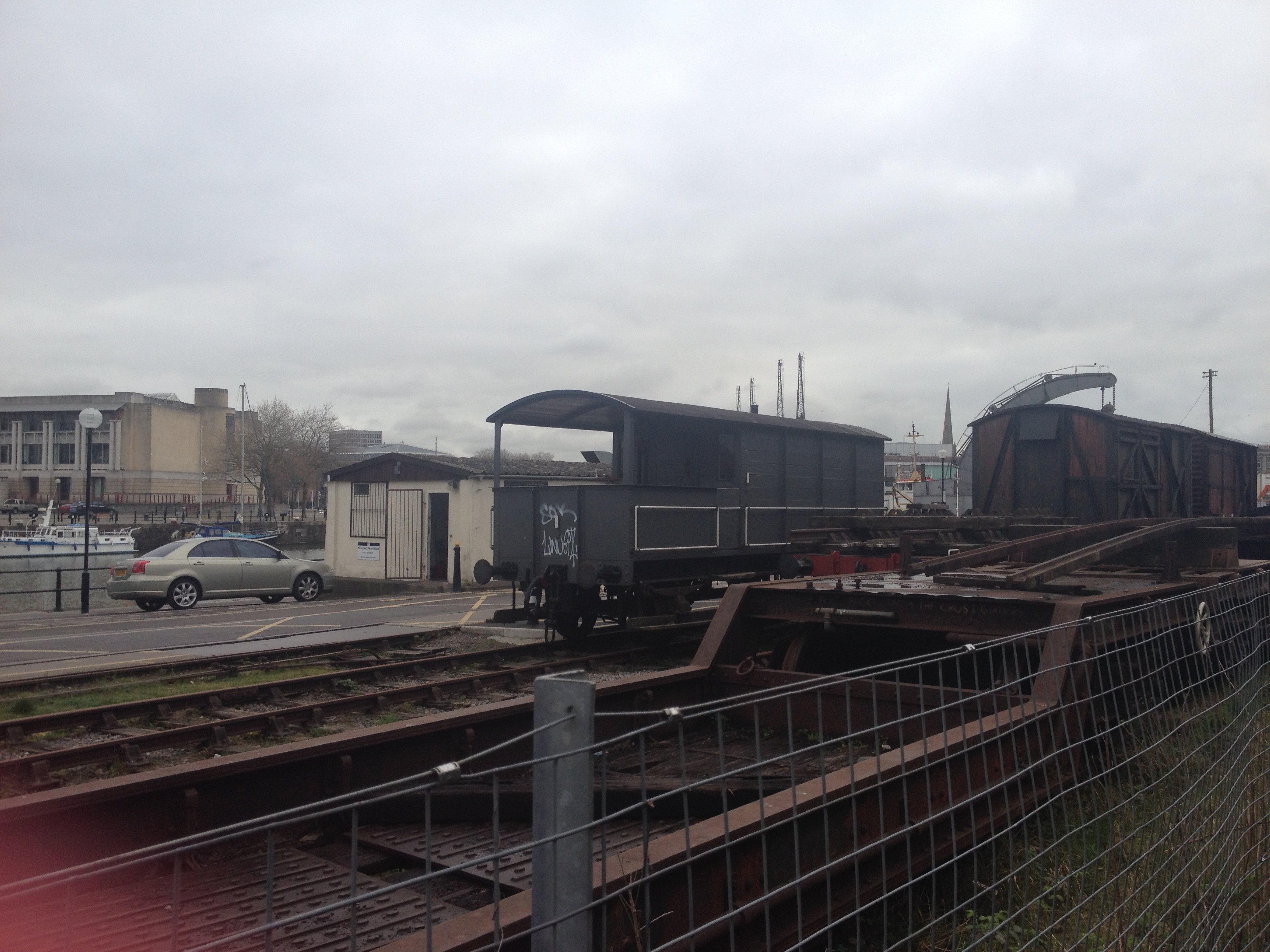
One of the biggest challenges of having a railway in the inner city is graffiti. Bristol has a proud history of famous graffiti and street artists, such as Banksy, 3D and Inkie, however it is less helpful when someone puts their tag on museum stock. Sometimes this could be due to the perception that the stock is out of use, or more generally, trains are daubed so that particular tag can be seen all around the country.
Regardless of the reasoning, the best response is to clean it off quickly, showing that the trains are in fact in use by the museum and that people care about their appearance.
The passenger train was tagged in April this year. This was cleared off almost straight away.
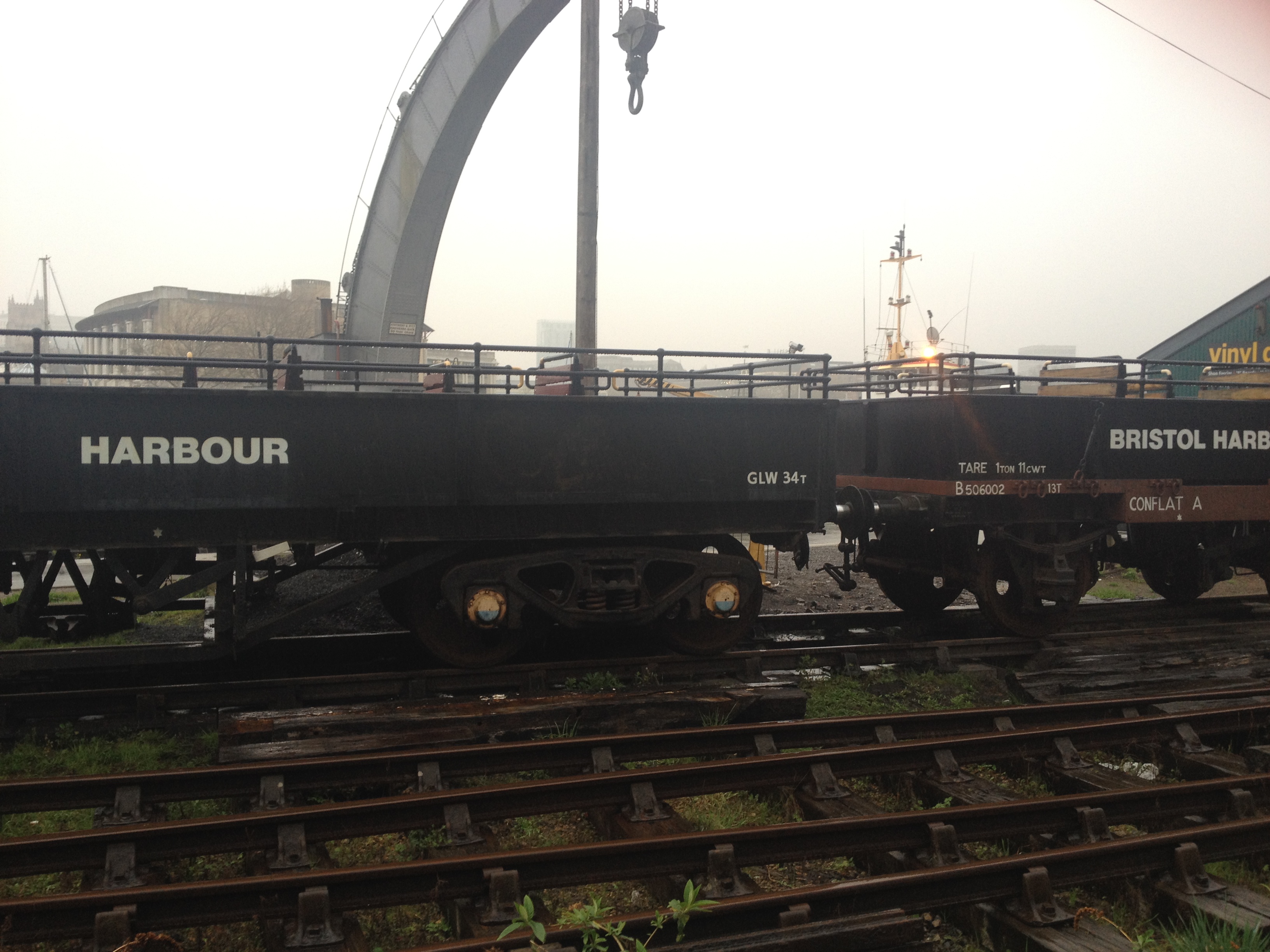
After lovely weather Saturday and Sunday, today is a bit of a wash-out so sadly no train services are running.
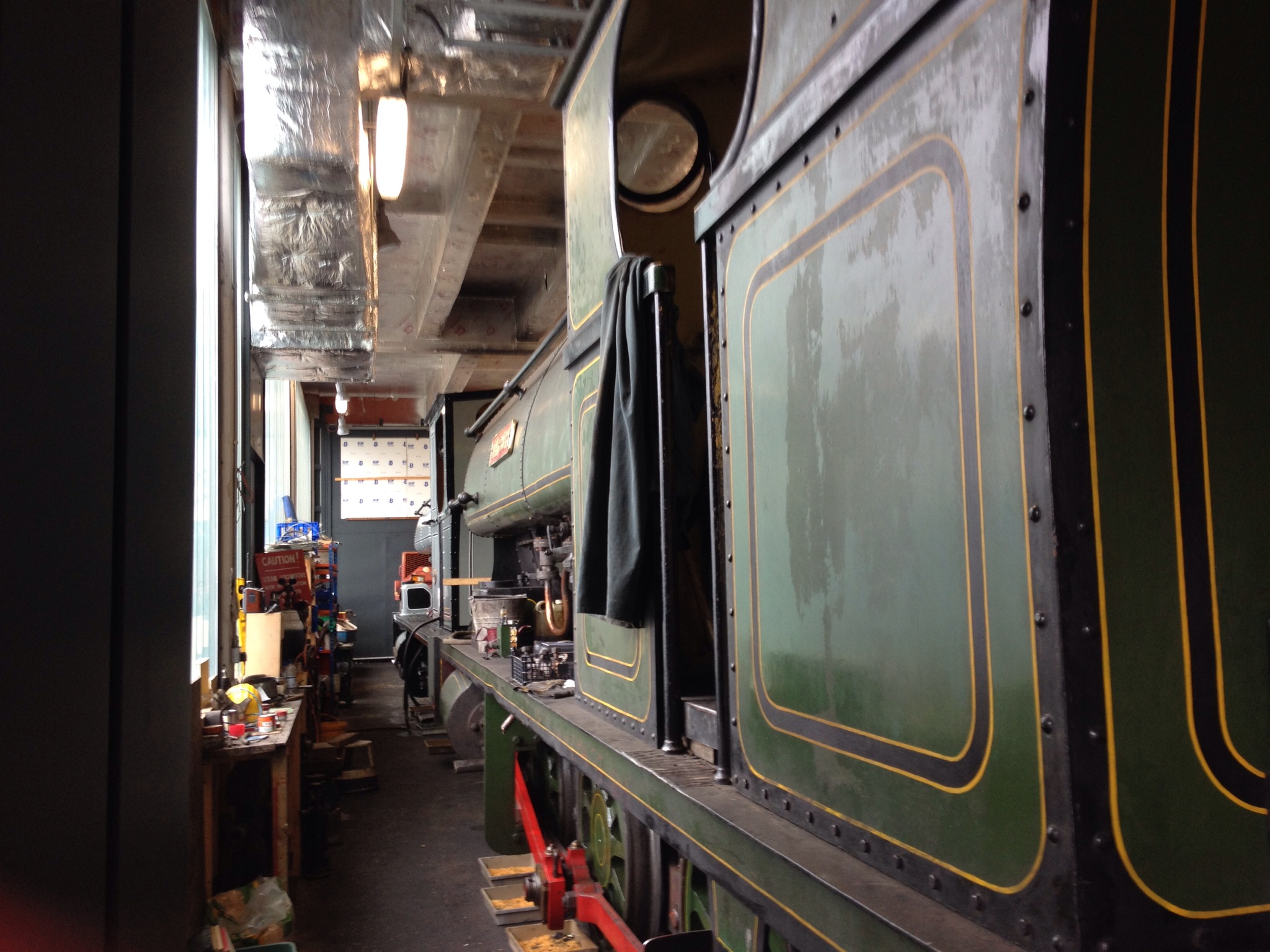
Portbury has been put back in the shed.
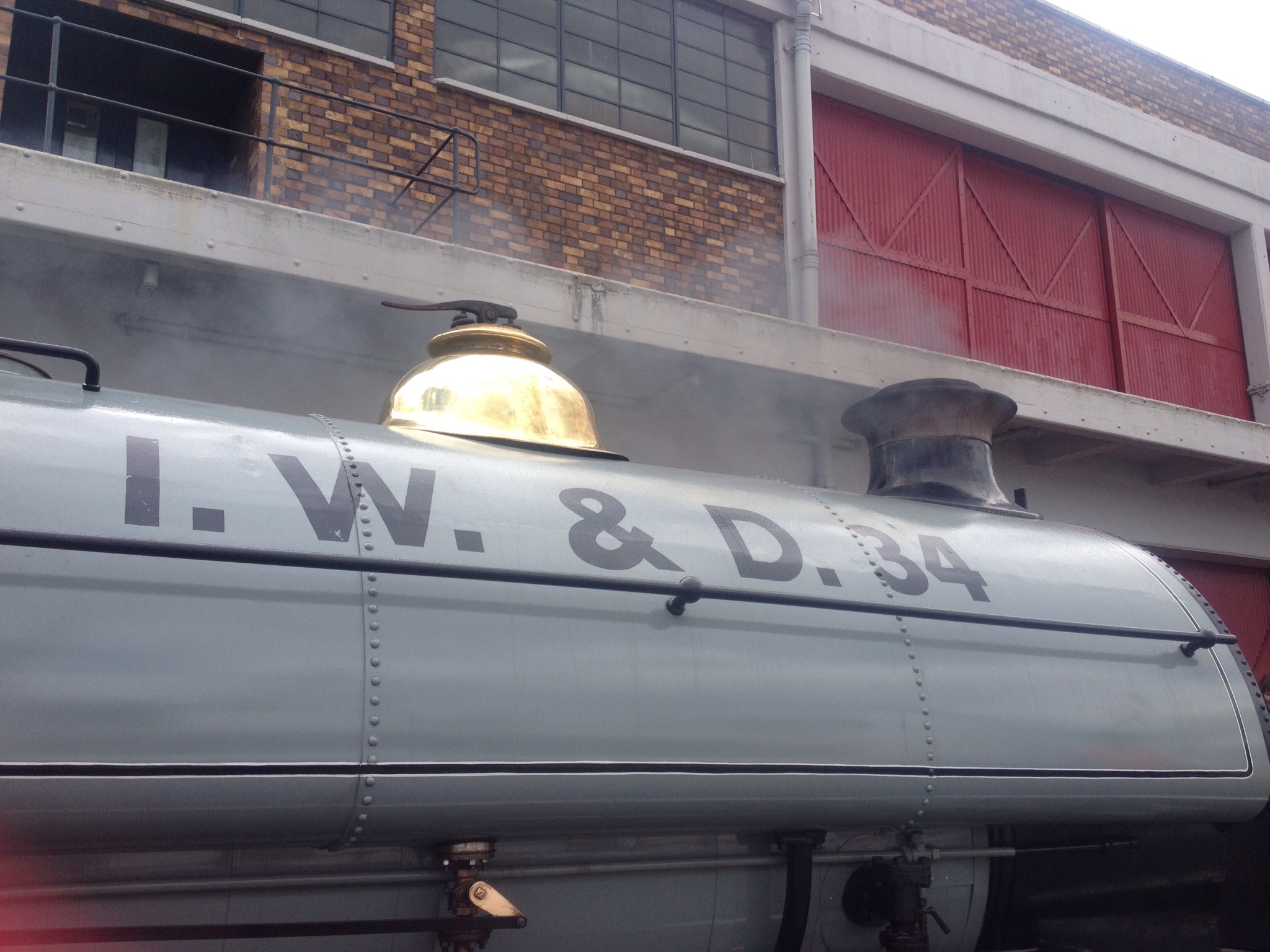
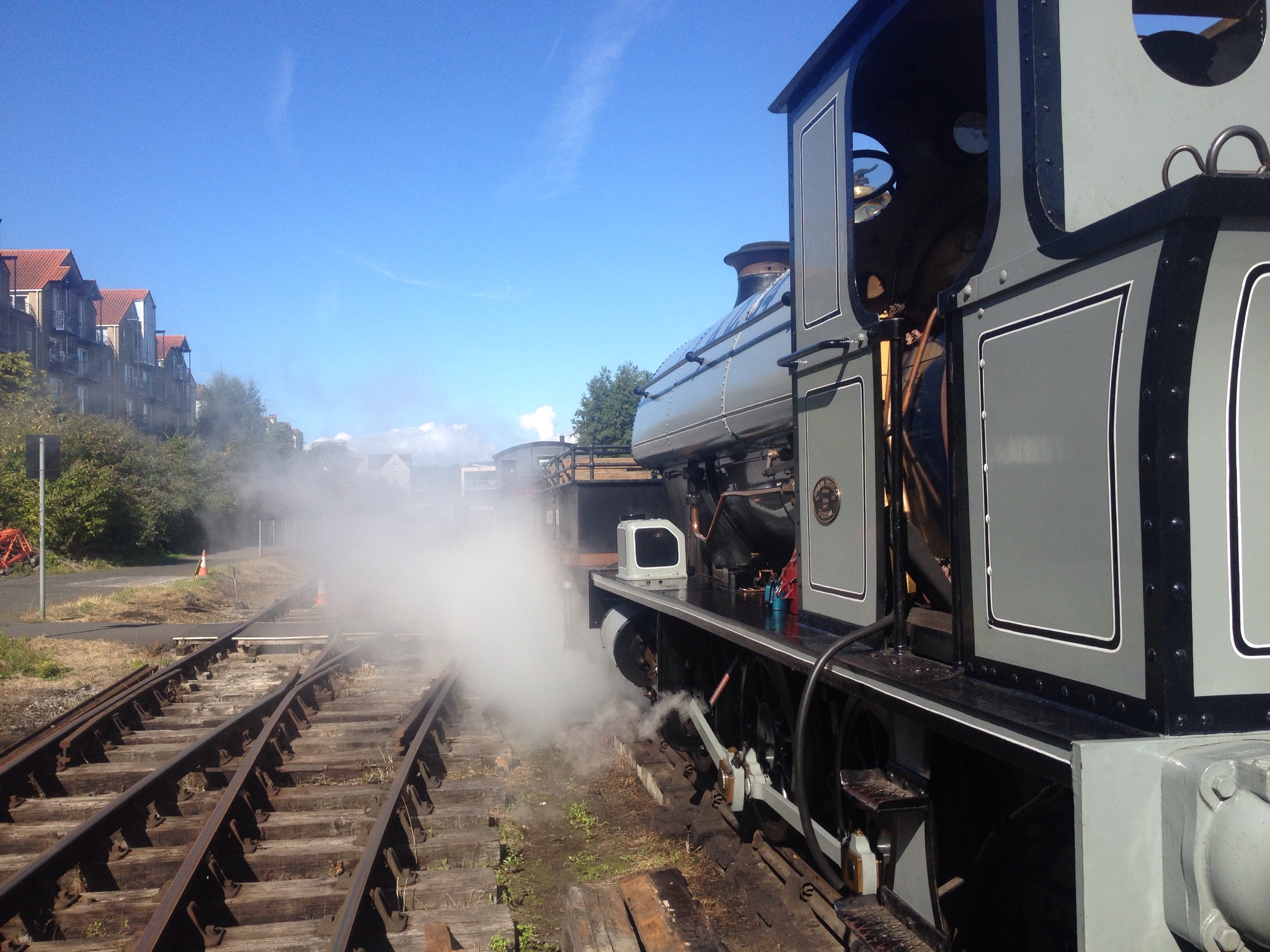
Portbury is running trains all weekend, come down and take a ride!
 Bristol Harbour Railway Blog