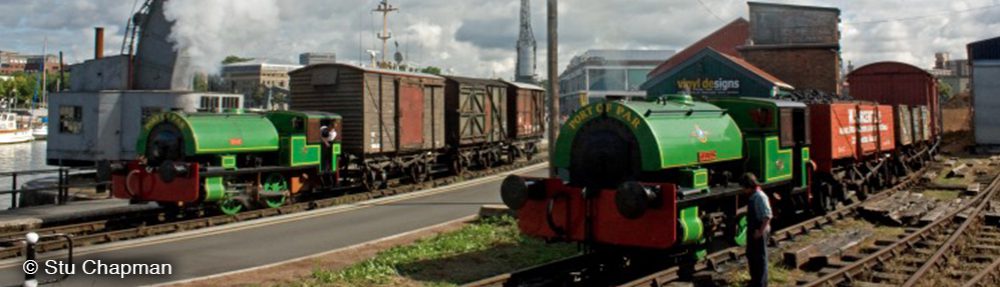
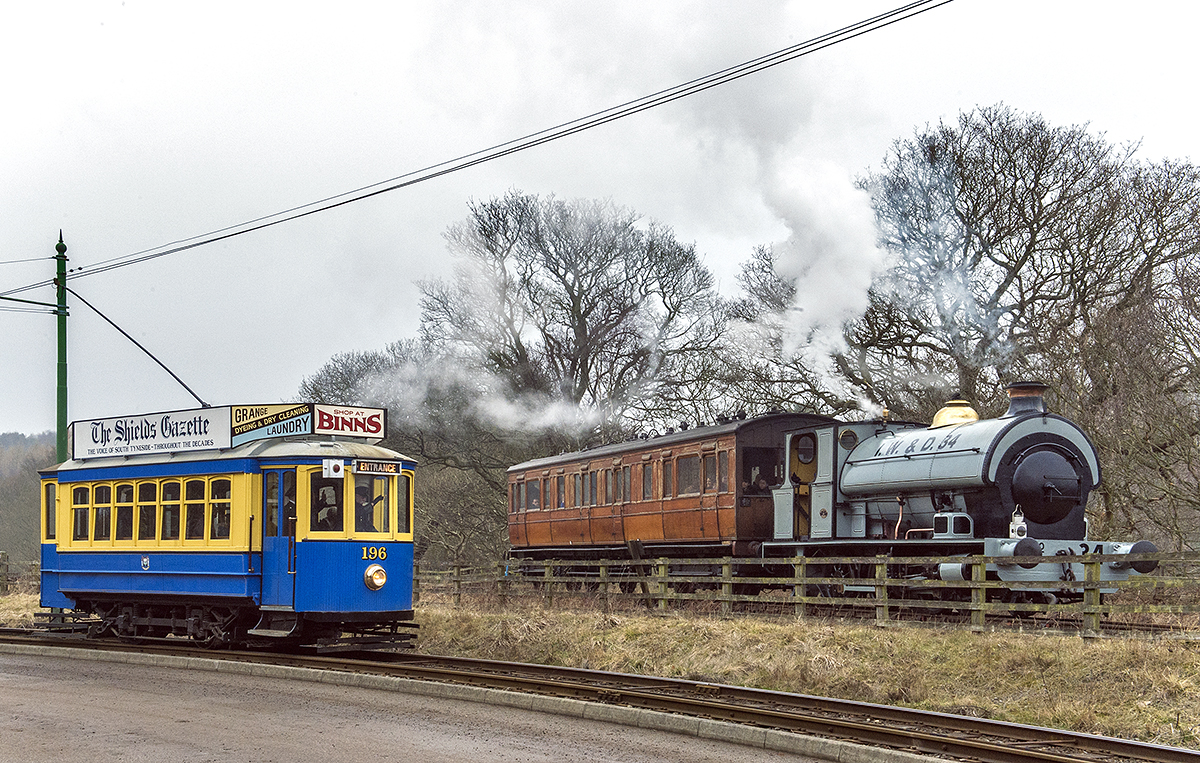
Paul Jarman has posted this image on Beamish Transport Online, it is the work of Dave Hewitt and shows Portbury with a rather lovely wooden-bodied coach and Tram 196 in operation on Valentine’s Day.

Joseph Stuart captured this footage:
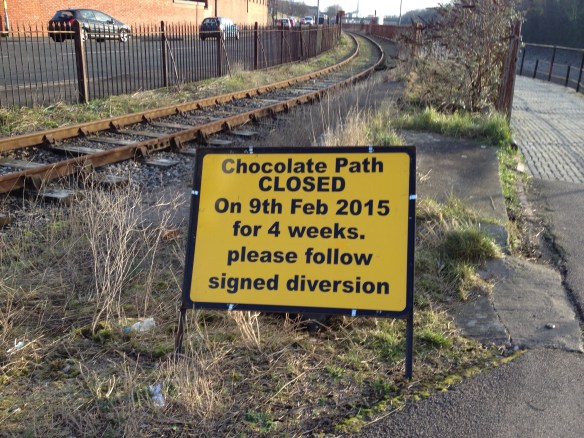
Please note that the Chocolate Path (alongside the A Bond branch line and New Cut) will be closed from 9th Feb 2015 for 4 weeks.

Paul Jarman of Beamish Transport Online has posted updates on Portbury’s arrival at Beamish. Shunted off the lorry siding by departing hire loco ‘John Howe’ (An Andrew Barclay 0-4-0ST), Portbury was in steam the next day and immediately put to work shunting the yard at Rowley station.
These photos appear here with Paul’s permission
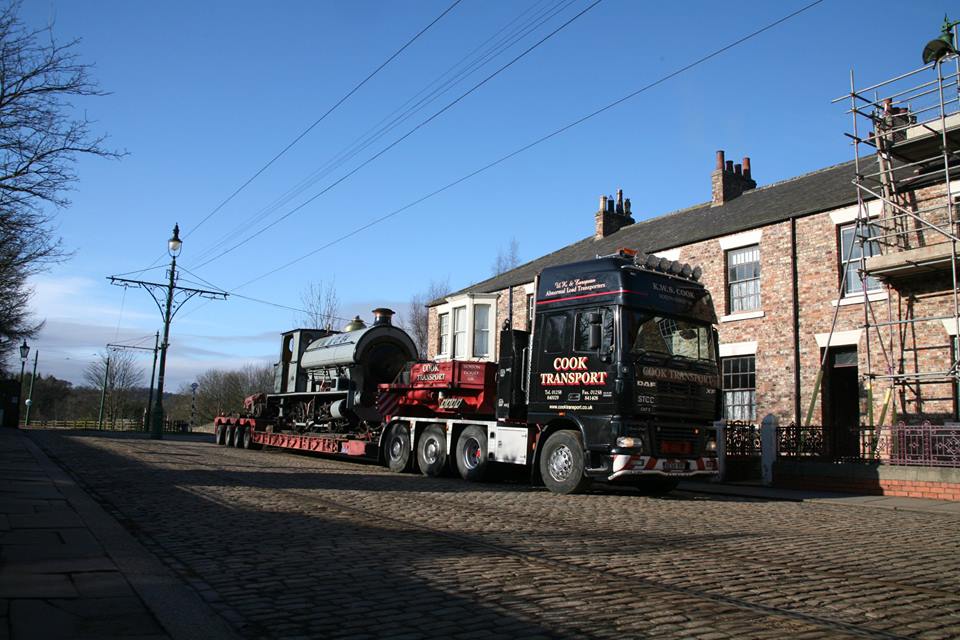
Avonside ‘Portbury’ arrived at Beamish Museum today, shown by this photo and video shared on the Museum’s facebook page

‘Portbury’ has departed Bristol and is now on her way North to Beamish!
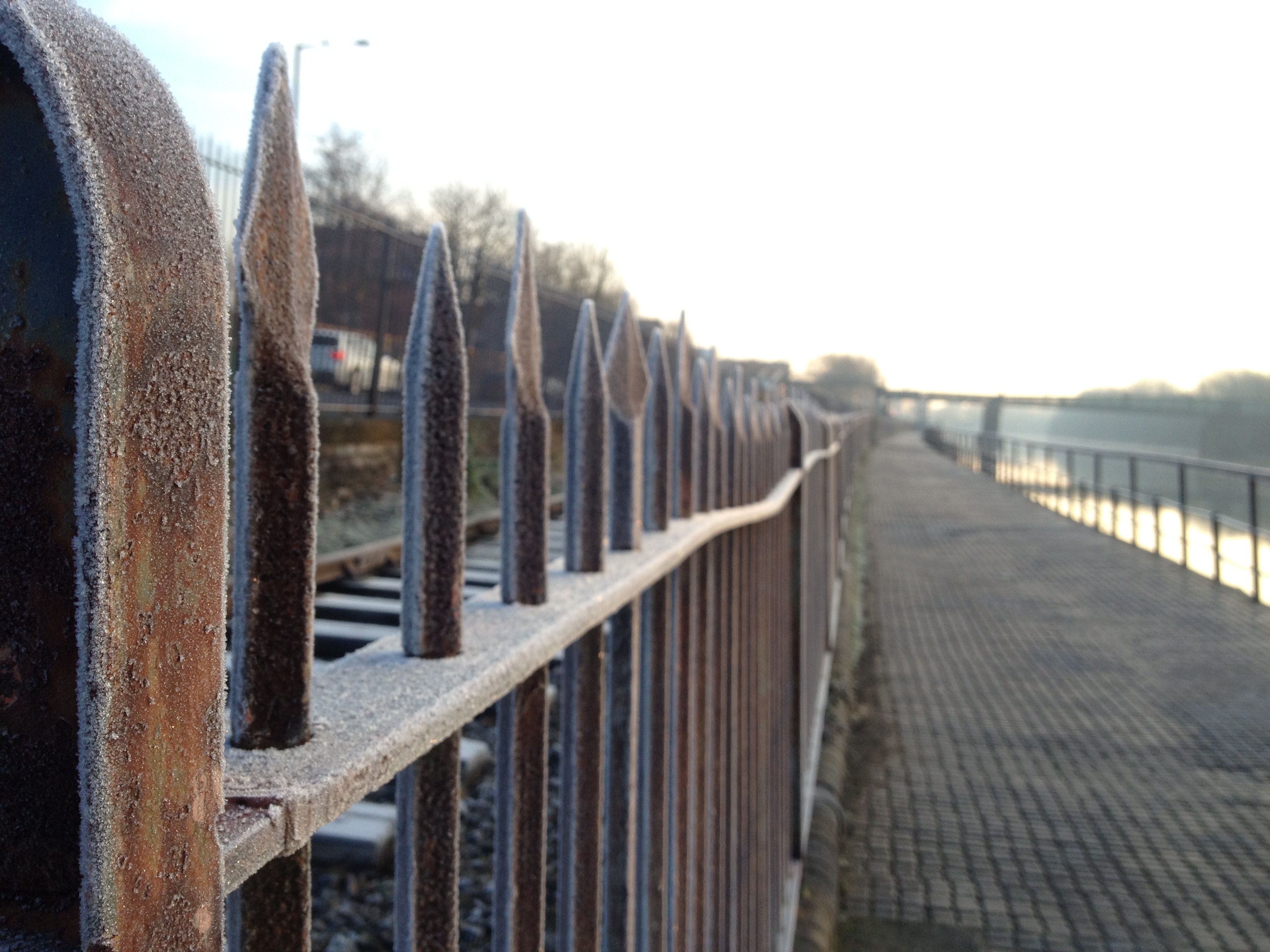
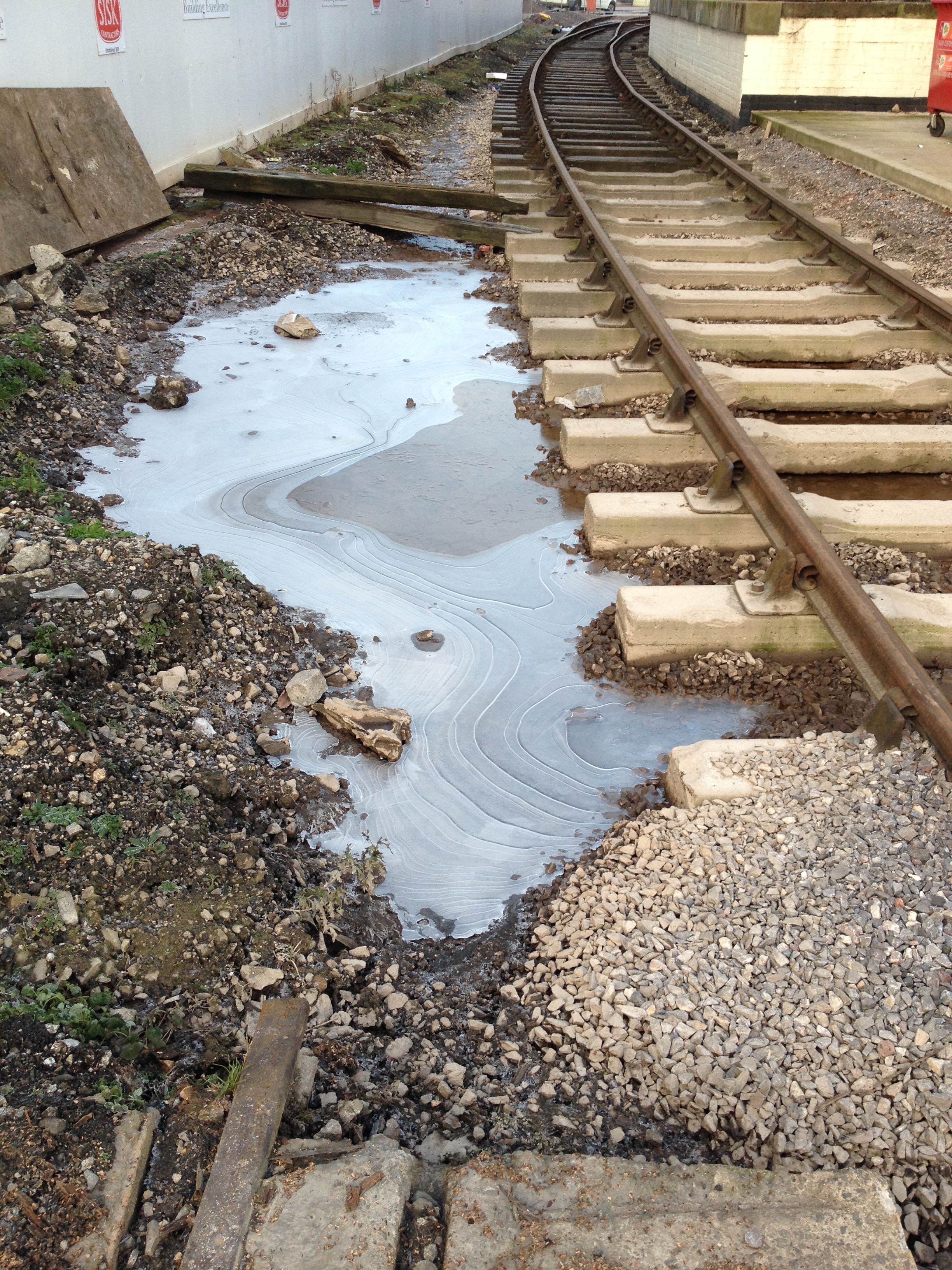
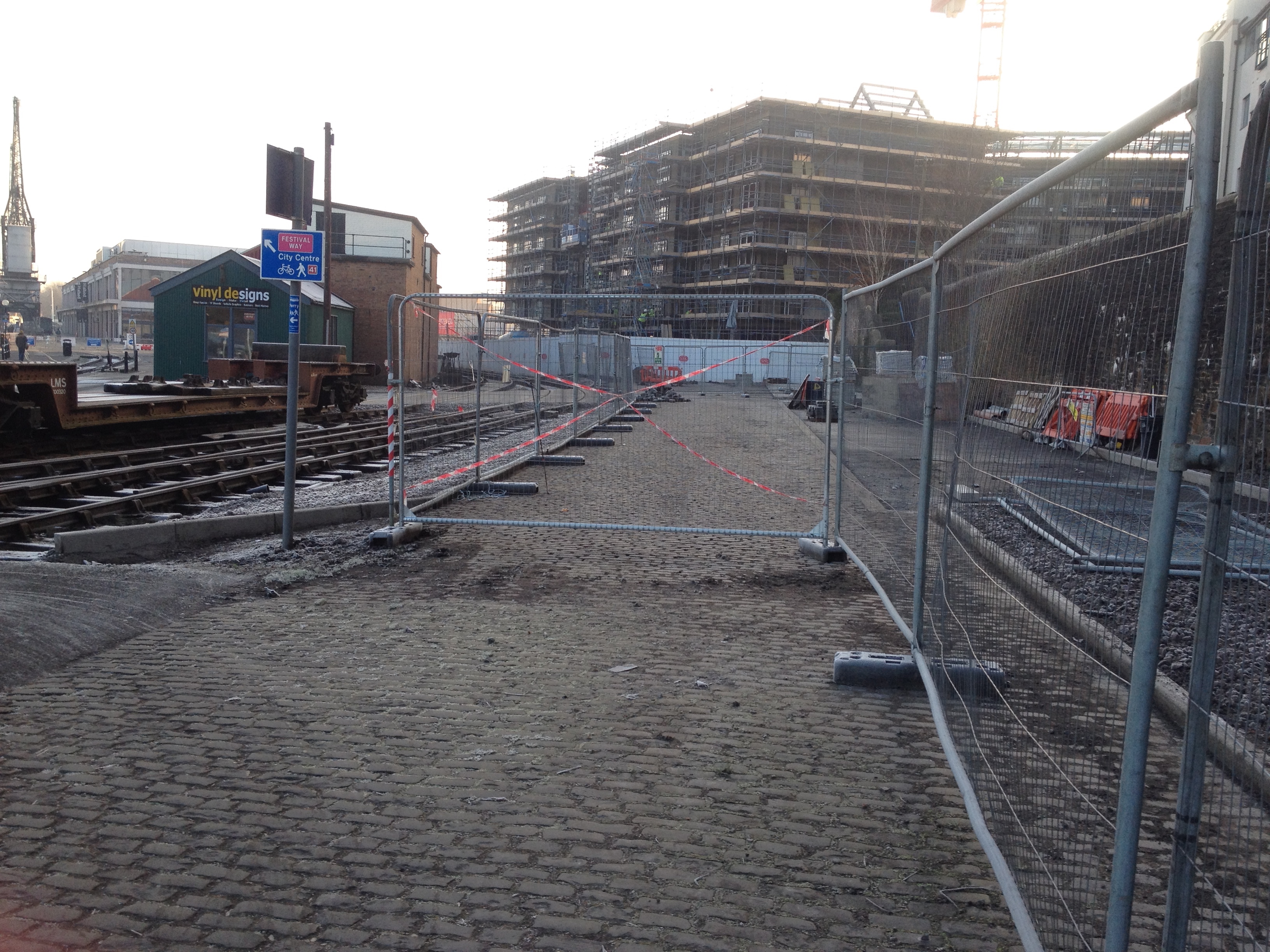
Cold January mornings give everything a glistening sheen of frost.
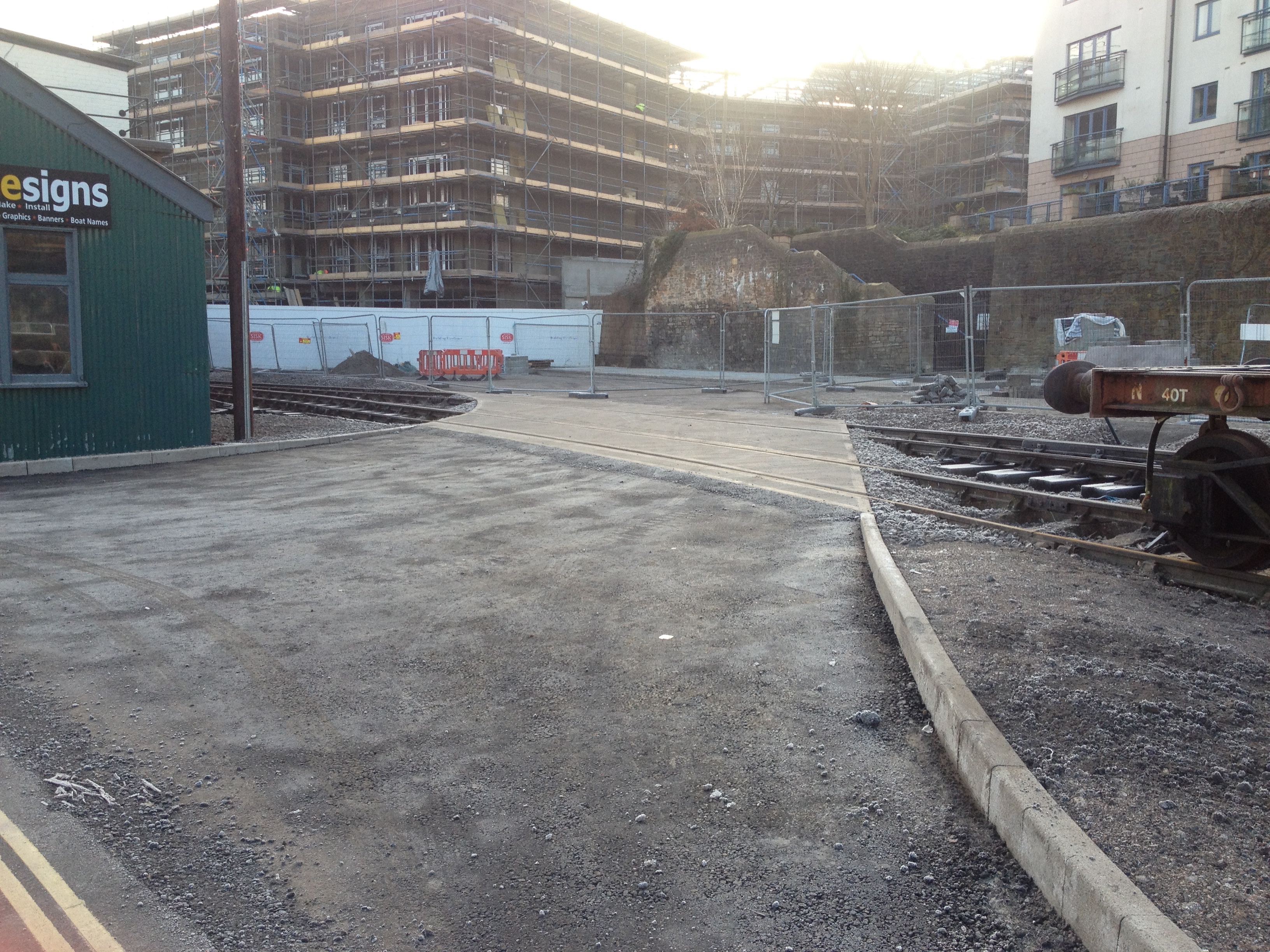
A couple of pics showing level crossing construction progress.
The two steam locos were outside the shed this morning, Portbury was having her fire lit.
It’s the first day of the Xmas Steam Up weekends tomorrow, so Portbury and the Fairbairn Steam Crane should be in action on the dockside.
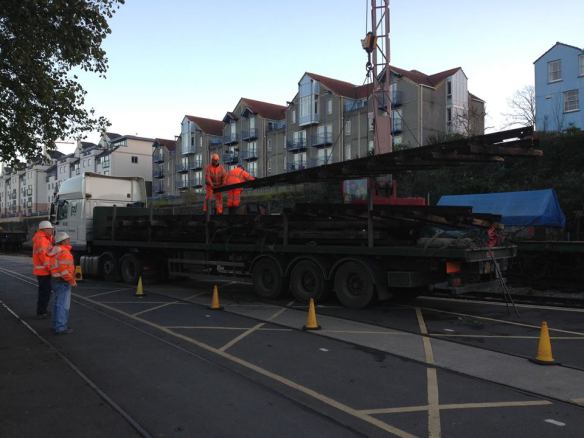
This week, the lovely people from the Helston Railway in Cornwall have been back for more rail and sleepers. Here they are loading up (Photo from the Helston Railway Facebook page, click the link for more).

In May 2014, a shunting move to get rolling stock out of the Smeaton Road shed and into the rebuilt ‘Barn’ saw Fox, Walker and Sons No.242 (NCB No.3) out in the open air. This loco had new bearings fitted before the rebuild of M Shed in 2006, so is a rolling chassis and can be moved around.
The photos also give an indication as to the condition of the loco, and the scale of any restoration that might take place.
These pictures were taken by Michelle Scoplin of the Create Centre and appear here with her kind permission.
Metrobus, the guided busway project in Bristol, has now been given financial backing and construction is due to start in 2015.
The busway scheme is set to use sections of the former BHR, joining at Ashton Junction (Going ‘up and over’ the Portishead Railway line on a bridge), then across the old sidings at Ashton Meadows, under the Cumberland bypass, then crossing the New Cut at Ashton Avenue Bridge. From here, it is intended that the buses take the route of the current BHR, joining onto Cumberland Road itself adjacent to the ‘West Yard’ throat.
The Metrobus Website has published the aims for the refurbishment of Ashton Avenue bridge, the deteriorating condition of which was one of the factors in the BHR ceasing operations South of the river in the 1990s.
The full webpage is here, but here are some excerpts:
Ashton Avenue Bridge is on Bristol City Council’s Listed Building At Risk Register.
The register describes the bridge as being in a very bad condition with clear signs of structural instability and says the bridge in its current state is at “immediate risk of further rapid deterioration”.
The MetroBus project will restore the Victorian bridge and return it to its original role as a public transport corridor
English Heritage have been consulted on our plans for the bridge and support the works to conserve it.
Restoring the bridge
Pedestrians and cyclists will still to be able to use the bridge after it has been restored. The restoration works include a lane for the MetroBus and a 3.5 metre pedestrian and cycle path that is wider, smoother and a safer environment than the current path.
Lighting will also be provided on the bridge, making it a much safer environment for pedestrians and cyclists using the bridge at night.
The proposed restoration works also include:
– Repair of corrosion damage which would otherwise compromise the long term durability of the bridge.
– Removal of graffiti.
– Removal of vegetation from piers and the bridge deck.
– Removal of temporary repair measures including metal mesh fencing.
– Removal of guardrail separating pedestrian walkway from rail line.
– Replacement of badly corroded deck plates.
– Repairs to trusses to allow drainage modification works which will reduce future corrosion.