
Port of Bristol Authority Avonmouth Shed, Avonsides S4, S5 and Pecketts S11 and another present, 21/7/63 – Railphotoprints.com
The Avonmouth Docks system utilised a large motive power stud, mainly consisting of locomotives constructed in Bristol by Avonside or Peckett. In 1939, there were some 28 steam locomotives in the fleet.
The steam fleet included (But was not limited to):
S1 ‘Hudson’ (Avonside 1724 of 1915) – 0-6-0ST
S2 ‘William’ (Avonside 1725 of 1915) – 0-6-0ST
S3 ‘Portbury’ (Avonside 1764 of 1917) – 0-6-0ST
S4 ‘Percy’ (Avonside 1800 of 1918) – 0-6-0ST
S5 ‘Brian’ (Avonside 1799 of 1918) – 0-6-0ST
S6 ‘Fyffe’ (Peckett 1721 of 1926) – 0-6-0ST
S7 ‘Ashton’ (Peckett 1878 of 1934) – 0-6-0ST
S8 ‘Westbury’ (Peckett 1877 of 1934) – 0-6-0ST
S9 ‘Henbury’ (Peckett 1940 of 1937) – 0-6-0ST
S10 ‘Hallen’ (Peckett 2035 of 1943) – 0-6-0ST
S11 ‘Bristol’ (Peckett 2036 of 1943) – 0-6-0ST
S12 ‘Clifton’ (Peckett 2037 of 1943) – 0-6-0ST
S13 ‘Redland’ (Peckett 2038 of 1943) – 0-6-0ST
‘Lionel” (Peckett No.466 of 1889) – 0-6-0ST
‘Henry’ (Peckett 1264 of 1913) – 0-6-0ST
‘Strathcona’ (Peckett No. 1243 of 1910) – 0-6-0ST

‘Hudson’ (Avonside Engine 1724 of 1915) at the Port of Bristol Authority, Avonmouth Docks 13/8/49

‘William’ (Avonside Engine 1725 of 1915) at PBA, Avonmouth 5/4/58

No. S3 ‘Portbury’ (Avonside Engine 1764 of 1917) at the Port of Bristol Authority, Avonmouth 21/7/63

‘Percy’ (Avonside Engine 1800 of 1918) at PBA, Avonmouth 5/4/58

No. S4 ‘Percy’ (Avonside Engine 1800 of 1918) at the Port of Bristol Authority, Avonmouth 21/7/63

‘Brian’ (Avonside Engine 1799 of 1918) at PBA, Avonmouth 5/4/58

No. S5 ‘Brian’ (Avonside Engine 1799 of 1918) at the Port of Bristol Authority, Avonmouth 21/7/63

‘Fyffe’ (Peckett 1721 of 1926) at PBA, Avonmouth 5/4/58

‘Ashton’ (Peckett 1878 of 1934) at PBA, Avonmouth (side view) 5/4/58

No. S7 ‘Ashton’ (Peckett 1878 of 1934) at the Port of Bristol Authority, Avonmouth 21/7/63

‘Westbury’ (Peckett 1877 of 1934) at PBA, Avonmouth (side view) 5/4/58

‘Westbury’ (Peckett 1877 of 1934) at the Port of Bristol Authority, Avonmouth Docks (side view) 13/8/49

No. S8 ‘Westbury’ (Peckett 1877 of 1934) at the Port of Bristol Authority, Avonmouth 21/7/63

‘Hallen’ (Peckett 2035 of 1943) at PBA, Avonmouth 5/4/58

No. S10 ‘Hallen’ (Peckett 2035 of 1943) at the Port of Bristol Authority, Avonmouth 21/7/63 (Courtesy RCTS/Jack Faithfull)

No. S11 ‘Bristol’ (Peckett 2036 of 1943) on an RCTS rail tour at the Port of Bristol Authority, Avonmouth 21/7/63

No. S11 ‘Bristol’ (Peckett 2036 of 1943) on an RCTS railtour at the Port of Bristol Authority, Avonmouth 21/7/63

‘Clifton’ (Peckett 2037 of 1943) at PBA, Avonmouth 5/4/58

No. S12 ‘Clifton’ (Peckett 2037 of 1943) at the Port of Bristol Authority, Avonmouth 21/7/63

Peckett S12 ‘Clifton’ (Copyright Geoff Plumb)

No. S13 ‘Redland’ (Peckett 2038 of 1943) at the Port of Bristol Authority, Avonmouth (side view) 21/7/63
The ‘S’ prefix was added to the loco numbers by the early 1960s as diesel traction was introduced, as well as the addition of the distinctive red and white striped bufferbeams.
At first a small batch of Hudswell Clarke diesels were purchased, of which D1171 ‘Western Pride’ (Later sold to Western Fuel Co., now preserved) was one. Another, No.23 ‘Merlin’ is preserved at the Keighley and Worth Valley Railway in Yorkshire, although currently out of use awaiting overhaul.
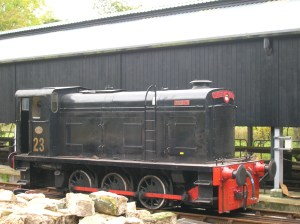
ex-PBA No.23 ‘Merlin’ (D.2003) on the KWVR (Helena via Wikipedia)
In 1965 a fleet of Sentinel shunters came to the port. Finished in smart blue livery, they were direct replacements for the steam locos, which were withdrawn shortly afterward.

PBA 34 on the dockside,1973 (Courtesy John Stanford)

Sentinel 0-6-0 No. PBA 39 and PBA 40 at Avonmouth docks 14/5/82 (Courtesy Kevin Hughes/RCTS)
The Sentinels worked right up until the closure of the Avonmouth Docks Railway system in 1983.
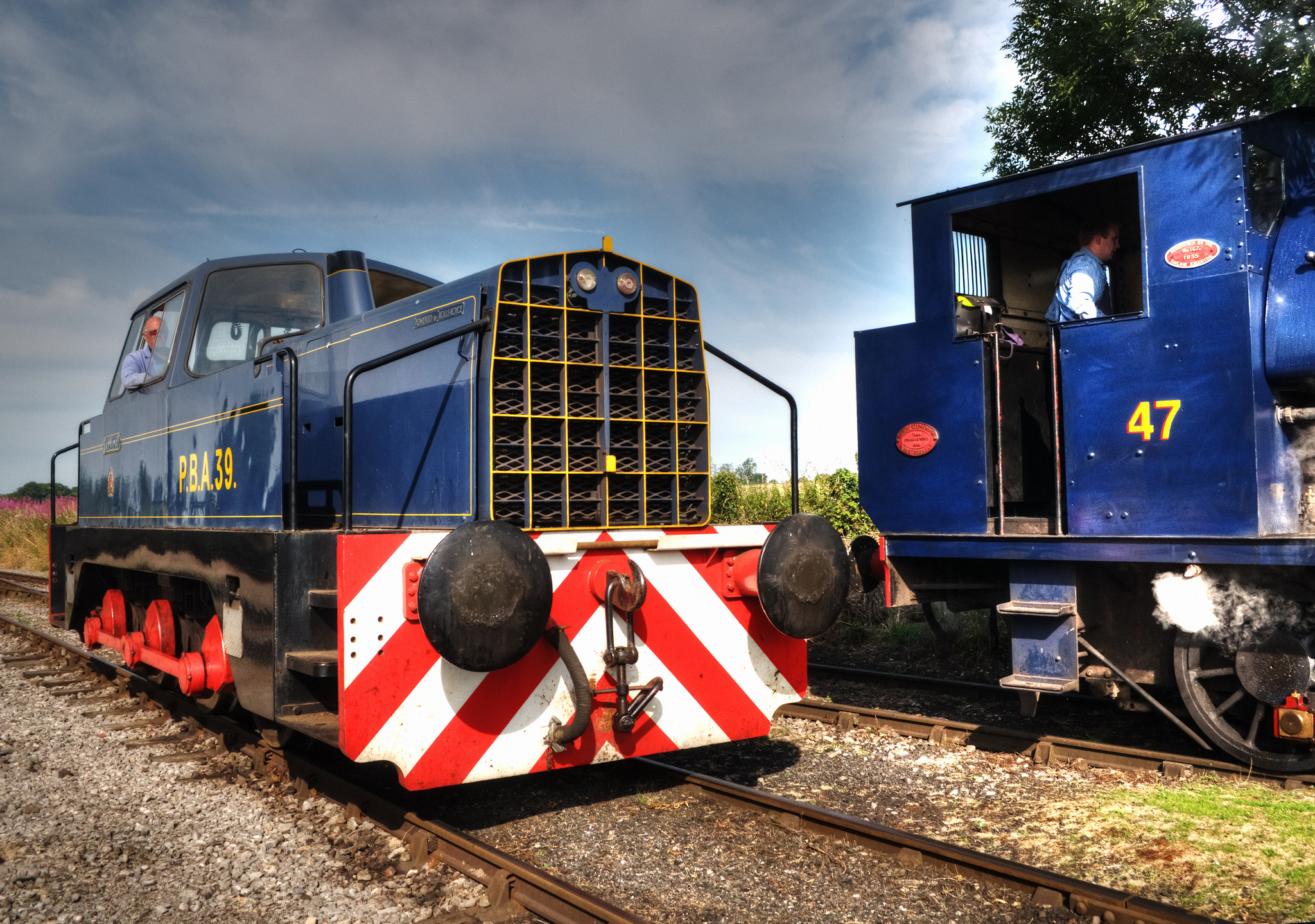
Sentinel PBA 39 is now preserved on the nearby East Somerset Railway, and has recently been restored to its original PBA livery. Also on the East Somerset Railway is PBA 42, also known as ‘Eric’, which went on to work for La Farge in Westbury, before being preserved in 2007, and is currently awaiting restoration.
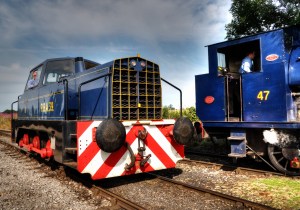
PBA 39 on the ESR (T. Dalton)
The photographs on this page (Unless otherwise stated) were taken by Jack Faithfull and purchased from the Rail Correspondance and Travel Society’s website. They appear here for research purposes only and may not be used for profit or gain without permission.





 Bristol Harbour Railway Blog
