Hudswell Clarke D1171 ‘Western Pride’

‘Western Pride’ was a former Port of Bristol Authority loco, and from the 1970s to 1987, it took loaded coal wagons from Ashton Meadows to Wapping Wharf sidings and the Coal Depot (Western Fuels) there, and returned empty wagons to the sidings.
As loaded coal wagons left overnight had a tendency to get vandalised, there was a secure storage compound at the coal depot, where the loco and wagons were stored overnight.
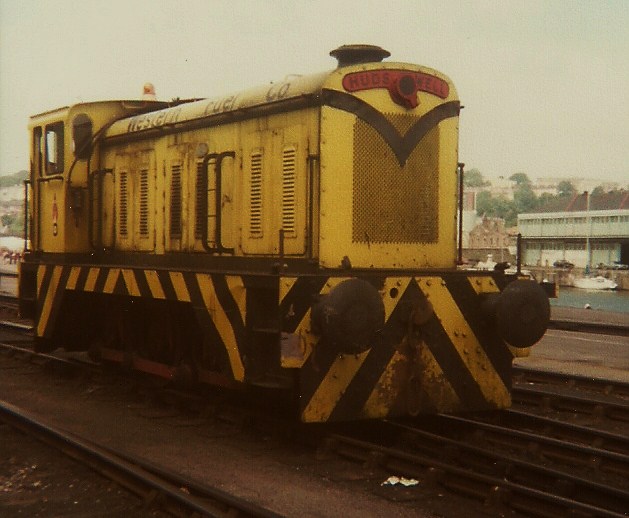
Western Fuels ex PBA 0-6-0 D1171 standing at Wapping Wharf, 17:7:79
Western Fuels ex PBA 0-6-0 D1171 standing at Wapping Wharf, July 1979 (Courtesy Kevin Redwood)

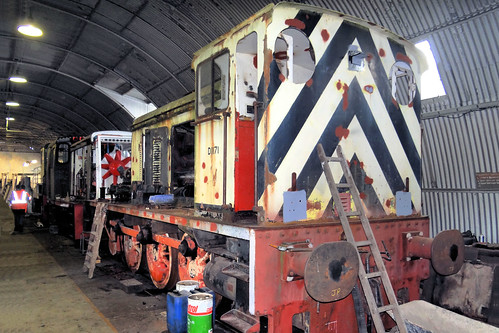
D.1171 made her last trip along the BHR in May 1987, on an overnight move to the coal depot at Filton. She has since been sold into preservation, and after a period in store outside at MOD Long Marston (As seen in this picture by Cliff Jones Photography), restoration has begun, as seen here (March 2013):
D1171 Hudswell Clarke 0-6-0DM  - Long Marston 23.03.13
Image is property of Mike Cottam and appears here as a direct link to his flickr page

TBT – Ashton Meadows Sidings

Today’s #throwbackthursday post is about Ashton Meadows sidings.
Ashton Meadows was formerly the exchange yard between the harbour branch and the line from Portishead to the main line at Parson Street junction. It was also the site of a civil engineers depot.

Until 1987, the 0-6-0 Hudswell Clarke diesel shunter ‘Western Pride’ would take loaded wagons from Ashton Meadows, up the New Cut, to the Western Fuel Depot (Behind M and L shed).

In 1983, ‘Western Pride’ broke down, and for 3 weeks, ‘Henbury’ was pressed into service, becoming the first preserved steam loco to haul freight for British Railways since the end of steam in 1968.

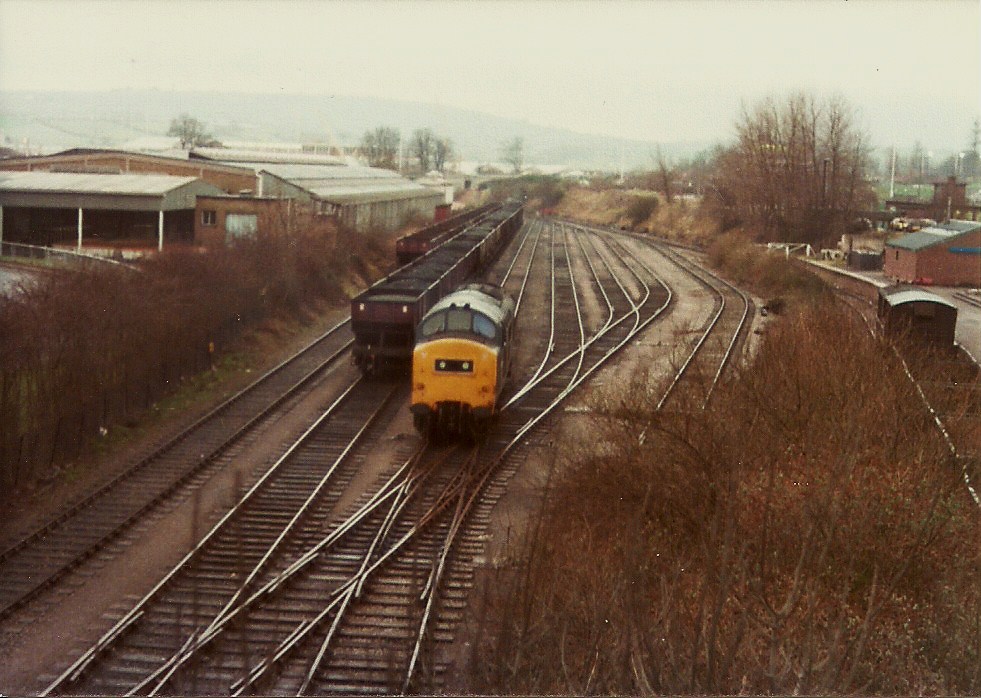
This was the view from the A3029 overbridge on a misty morning in February 1980. These pictures appear with the kind permission of Kevin Redwood.

37302 is running round the loaded 21t hoppers, the empties are ready for the return trip, 11:2:80
37302 is running round the loaded 21t hoppers, the empties are ready for the return trip. On the left is the building that later became ‘Megabowl’, and is now the site of Paxton Drive apartments. The area of the former sidings was levelled for the use of construction equipment and site offices.

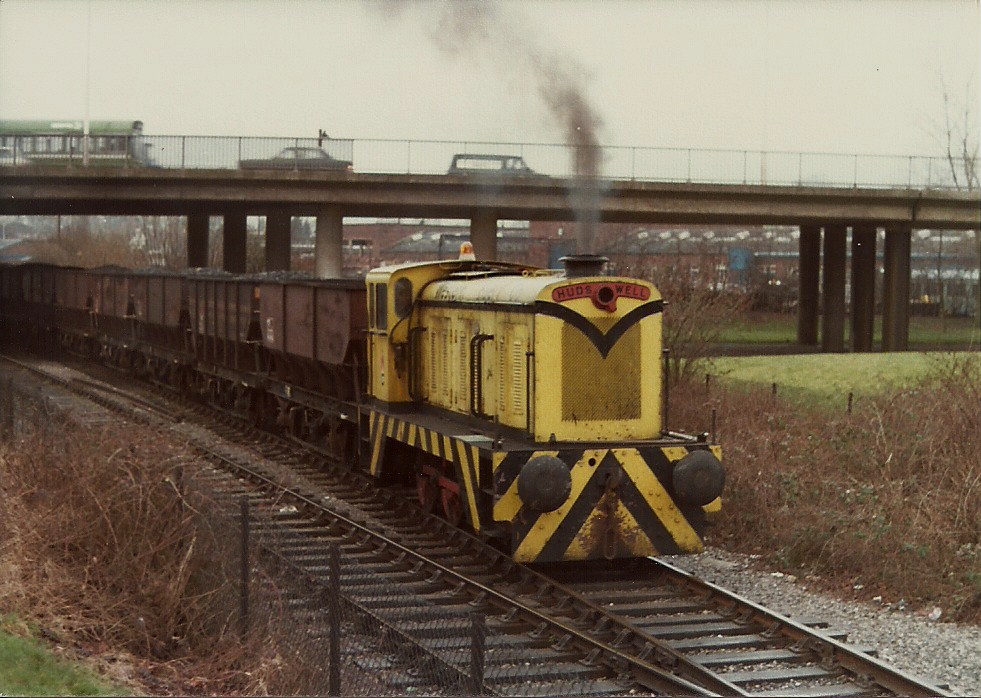
The Western Fuel Company Hudswell pilot (ex PBA No. D1171) takes the loaded hoppers to Wapping Wharf, 11:2:80.
‘Western Pride’ takes the loaded hoppers out of Ashton Meadows and on toward the docks. This loco is now preserved and currently in storage in the midlands.

The trackbed here is now a foot and cycle path leading across Ashton Avenue Bridge, and the route of the proposed Metrobus guided busway.

TBT – USA Tank 30075 (Video)

Today’s Throwback Thursday post – back in September 1997, ‘USA’ tank 30075 (Built in 1960 in Yugoslavia to a WW2 design) ran some photo charters.
Ian Silvester took this video, and has given permission for it to be reproduced here.

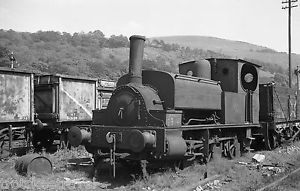
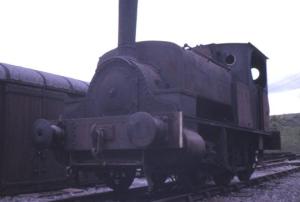
Locomotive No.3 – (Fox, Walker and Company No. 242)

A little known and lesser-spotted member of the M Shed Collection is Fox, Walker and Company 0-6-0ST Locomotive Number 242.

Built in 1874, it is the oldest of the three steam locomotives, being 43 years older than ‘Portbury’ (and 63 years older than ‘Henbury’!) and enables the museum to represent all the major engine builders in the Bristol area.

Fox, Walker and Company was taken over by Thomas Peckett in 1880 and became Peckett and Sons, the builders of ‘Henbury’ and her sisters.

242 was the first locomotive to arrive in the museum’s collection. It was donated by the National Coal Board in 1962, having previously worked at Mountain Ash Colliery in Wales, where it was No.3.

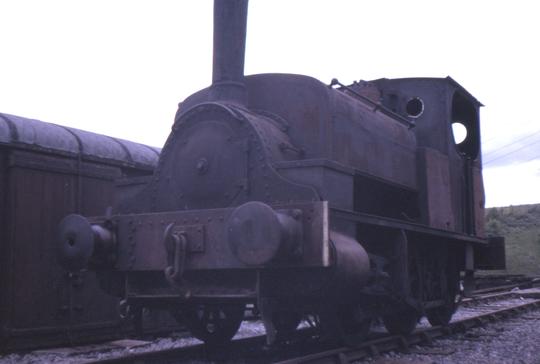
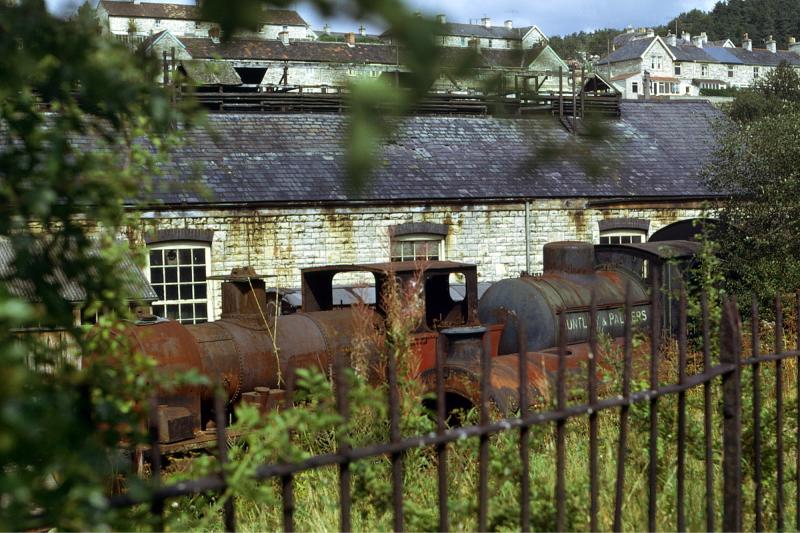
These two photographs were spotted for sale on ebay, unfortunately only the thumbnails were available to view online. They show 242 while still at Mountain Ash.
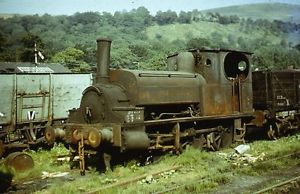
$(KGrHqV,!n8FD-3+bhZEBROP3fMZbw~~60_35

$T2eC16N,!ykE9s7tvVK)BRm6NDZSy!~~60_35

This photo is copyright Malcolm Williams and was found on steamlocomotive.info It shows NCB Mountain Ash No.3 in detail before departing for Preservation.

This photo is copyright Malcolm Williams and was found on steamlocomotive.info
It shows NCB Mountain Ash No.3 in detail before departing for Preservation.

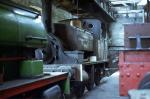
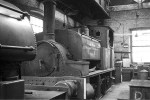
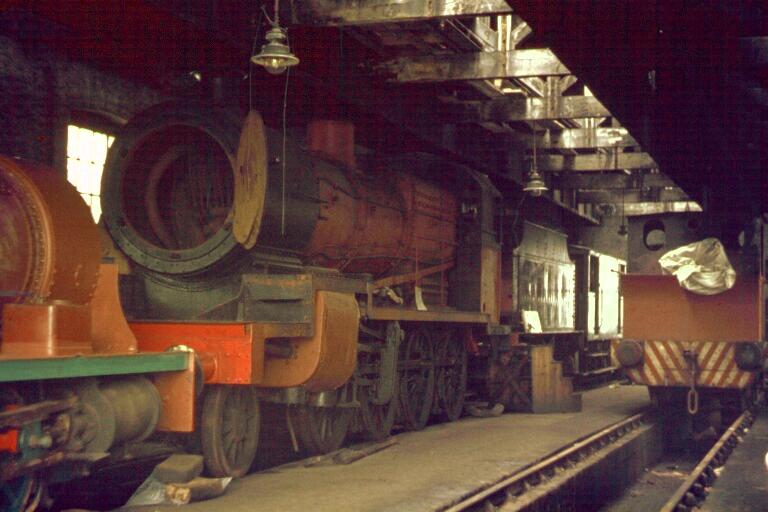
Prior to the preserved BHR opening in 1978, she, along with ‘Henbury’ and ‘Portbury’, was to be found at Radstock Station. This was the hub of the initiative to re-open a section of the famous S and D route, spearheaded by the Somerset and Dorset Railway Trust. As previously mentioned, the SDRT moved to Washford station on the WSR in 1976.
Geoff Cryer took these pictures of 242 in the shed at Radstock in September 1975.

Source: http://www.geoffspages.co.uk/raildiary/radstock.htm and http://www.geoffspages.co.uk/monorail/gc01.htm

When the Radstock project was disbanded, Number 242 went to Bitton (on what is now the Avon Valley Railway) between 1977 and 1986, when she returned to Bristol and was stored in L Shed.
As preparations were made for Bristol Industrial Museum’s conversion into M Shed Museum, the locomotive was made ready to move to another secure location.
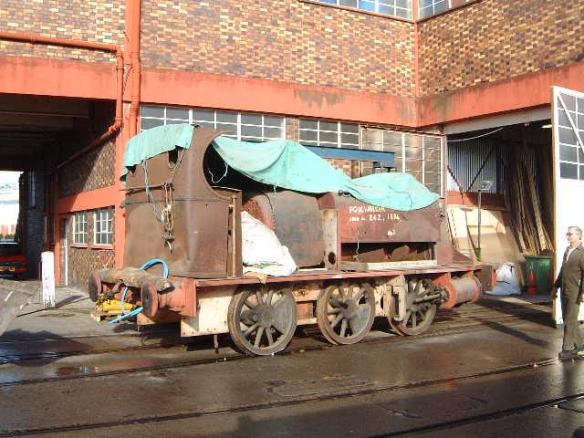
Larry the Loader tows 242 out of the workshop.

Photo courtesy Rob Skuse
Source: https://www.facebook.com/media/set/?set=oa.198379386934483&type=1

As for the future, at nearly 140 years old, there are no current plans to return 242 to steam. Her current storage space may be repurposed due to planned development, so a move might be on the cards. Watch this space…
A Pannier in the Port – 1996

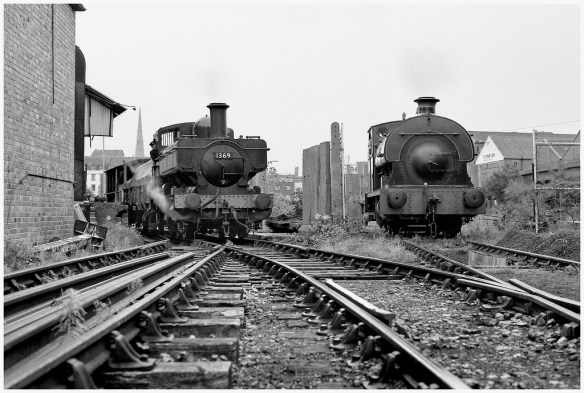
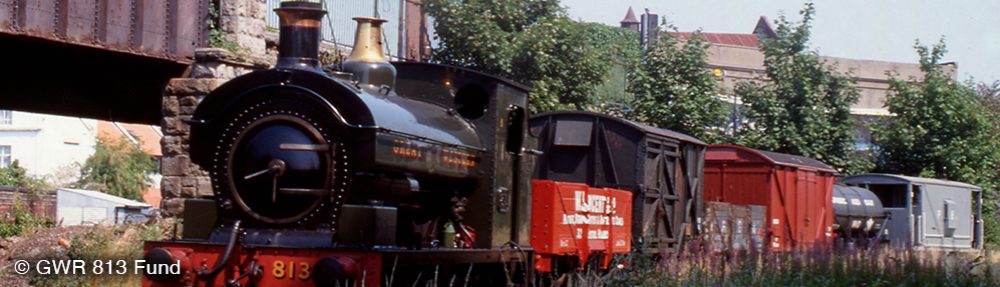
Back in 1996, ex-GWR pannier tank 1369 (Now based at the South Devon Railway) paid a visit to Bristol Harbour.
The Weymouth Docks shunter, last survivor of the 1366 class, was reminiscent of panniers formerly used on the harbour lines.

Here are a collection of photos from the visit. All photographs are copyright of their respective owners, a huge thank you goes out for allowing them to be reproduced here.

gordon-edgar-gwr-1369-1
1369 on the shed road while ‘Henbury’ stands by.
Source: http://www.flickr.com/photos/12a_kingmoor_klickr/5809563945/
Copyright Gordon Edgar


Performing a runpast with the goods.
Source: http://www.flickr.com/photos/dorneyphoto/10691844086/in/photostream/
Copyright Ian Silvester ( http://www.dorneyphoto.com/ )


Source: http://www.flickr.com/photos/8523292@N03/4081645814/sizes/z/in/photostream/

Source: http://www.flickr.com/photos/8523292@N03/4081645892/sizes/z/in/photostream/

Source: http://www.flickr.com/photos/8523292@N03/11090871735/in/photostream/

Source: http://www.flickr.com/photos/8523292@N03/4080884331/sizes/z/in/photostream/

Source: http://www.flickr.com/photos/8523292@N03/11090975914/in/photostream/
Above images are all Copyright Geoff Hartland

The charter featured Ashton Avenue Swing Bridge, still available for use at the time. The area behind the loco is the current site of Butterfly Junction Halt. In 1996 there was a run-around loop in place at Ashton Meadows.
The swing bridge’s deteriorating condition meant that it was taken out of use in the late 1990s, and the track on the South side of the New Cut was lifted to make way for new housing (The houses do not occupy the permanent way, but the trackbed was used for site offices and vehicle parking during construction).

Portbury in Preservation

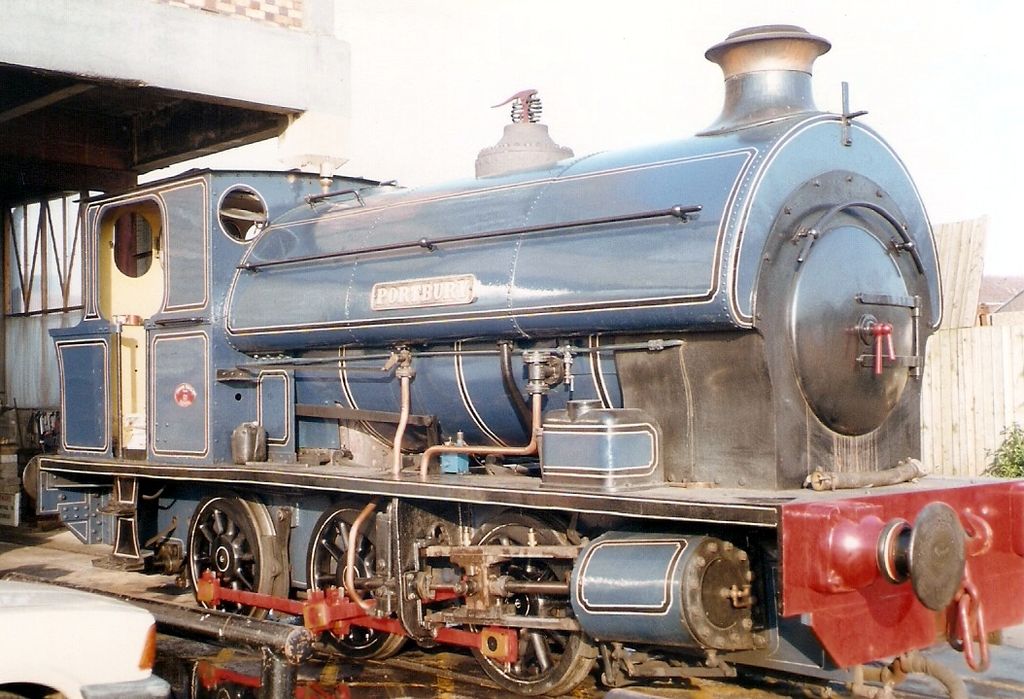
Avonside No. 1764 ‘Portbury’ was built in 1917 for the war effort, destined to work at the Portbury shipyards. The end of the war in 1918 meant the shipyard never actually built a vessel.
She eventually moved into the fleet of shunters based in Avonmouth and worked there until replaced by diesels.

Here are a few photos from across the internet of her life in preservation.

In the early 1970s, all three of the BHR’s steam locomotives were to be found at Radstock station in Somerset. This was part of a preservation effort to save and operate a section of the Somerset and Dorset Railway.

Here she is outside the shed, looking rather forlorn.
26
Source: http://www.geoffspages.co.uk/raildiary/radstock.htm

and another pic inside the shed next to 7F 53808

Portbury sharing space in Radstock Shed

Portbury sharing space in Radstock Shed

Unfortunately, the project at Radstock was unsuccessful and the Somerset and Dorset Railway Heritage Trust relocated to Washford on the West Somerset Railway.
‘Henbury’, ‘Portbury’ and No. 242 found their way to the Bristol Harbour Railway, opened in 1978.

‘Portbury’s restoration was completed in Bristol and she was in brought into operation on the BHR.
Here she is in lined blue livery back in 1992.

Porbury-Blue-1992

Original source:
http://www.geolocation.ws/v/W/File%3APortbury%202.jpg/-/en

and in operation in 1996
portbury-1996-blue-flickr

Source: http://bit.ly/1erjN1L

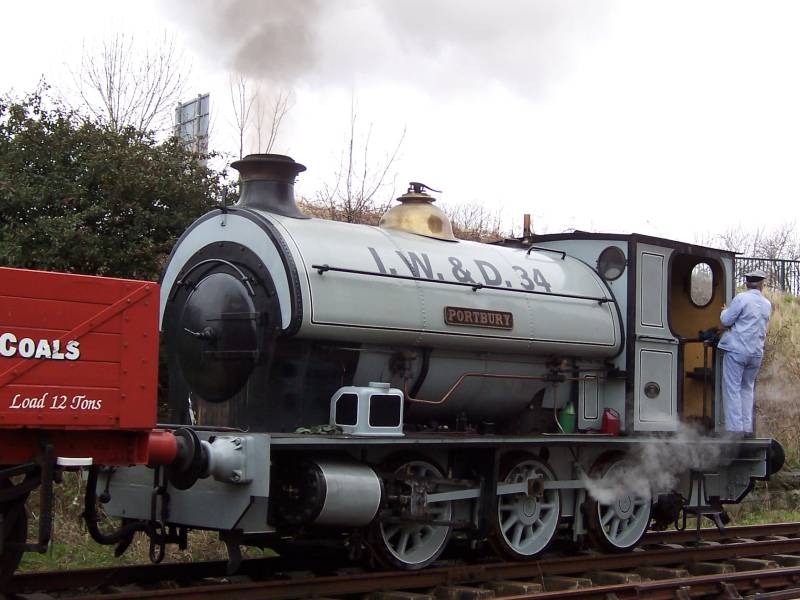
After another overhaul, she emerged in 2001 in a livery akin to the one she first wore, the initials ‘I W & D’ stand for ‘Inland Waterways and Docks’.

portbury-2001

Source: http://www.bristoljpg.co.uk/2004/portbury.jpg

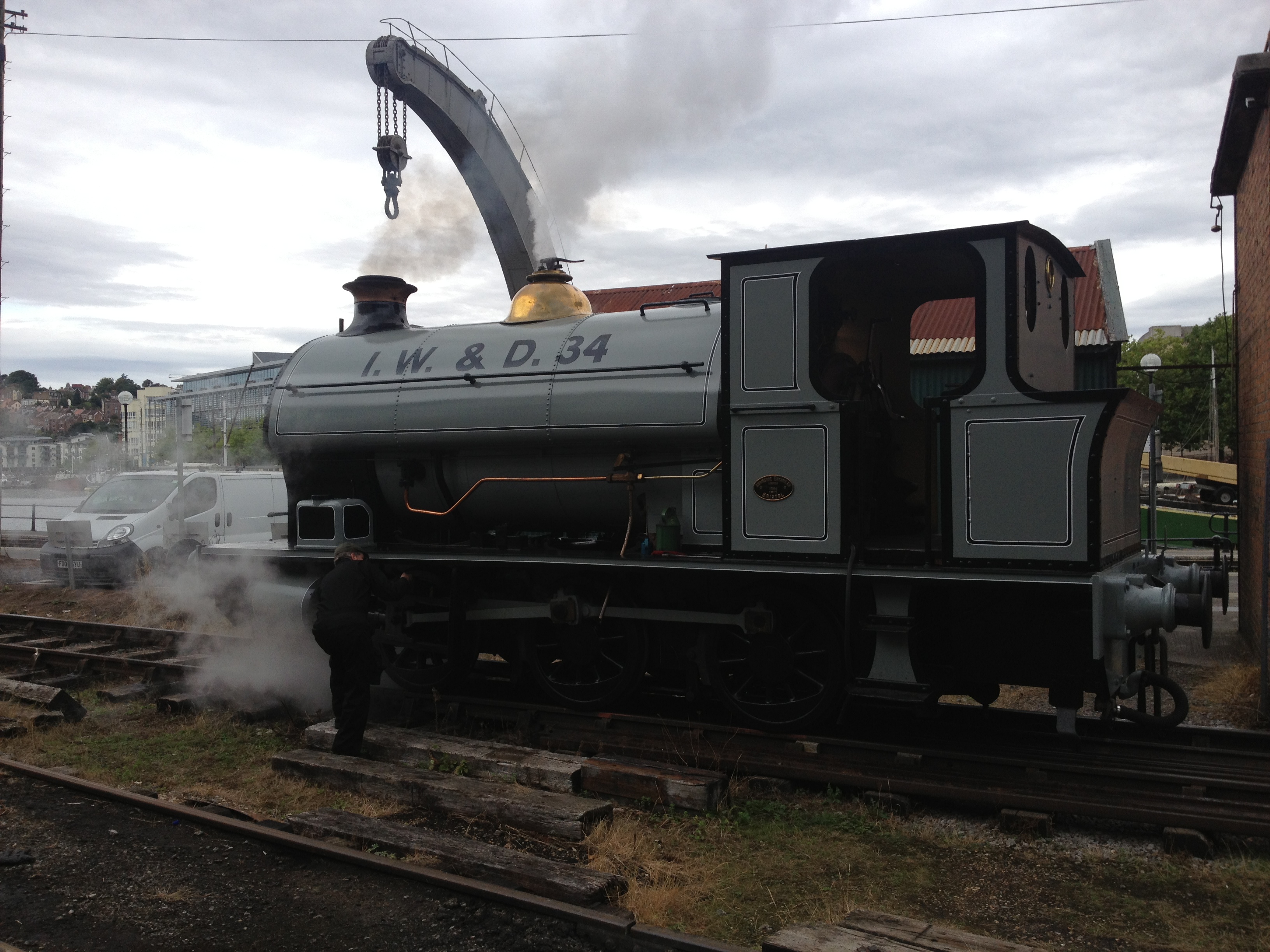
Now, in 2013, this livery has been adapted to more accurately represent her 1917 condition – note the lack of nameplate (She was not named ‘Portbury’ until her time at Avonmouth Docks) and the black wheels.
IMG_1595

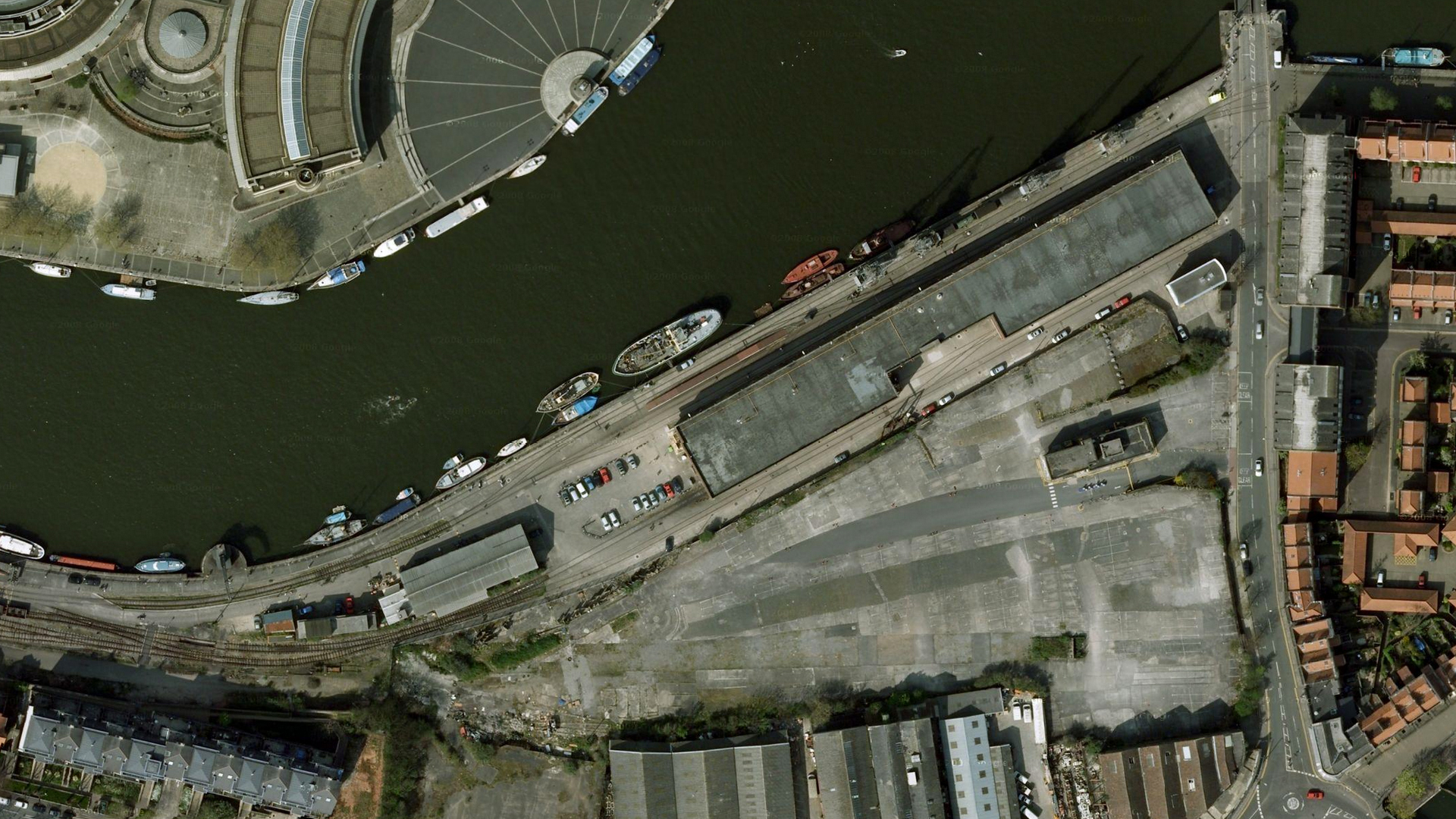
M Shed pre-rebuild, an aerial view

Google maps’ view of the area around M Shed is now outdated, but does give an interesting insight into how the landscape around the railway has and continues to evolve. I cobbled together a few images to give a bigger picture.
You can see how M and L shed were formerly much more separate, with rail access to the workshops in L shed behind.
Also visible are the old reclamation yards to the South, now a building site for Umberslade’s housing project.
The end of the loop where the temporary ‘barn’ was constructed is to the West side of the picture.

m-shed-pre-2008

Tracing the ‘old’ BHR – East

Here’s a little post on some of the remaining items of the old BHR, which ran from Ashton Junction all the way through to Bristol Temple Meads.

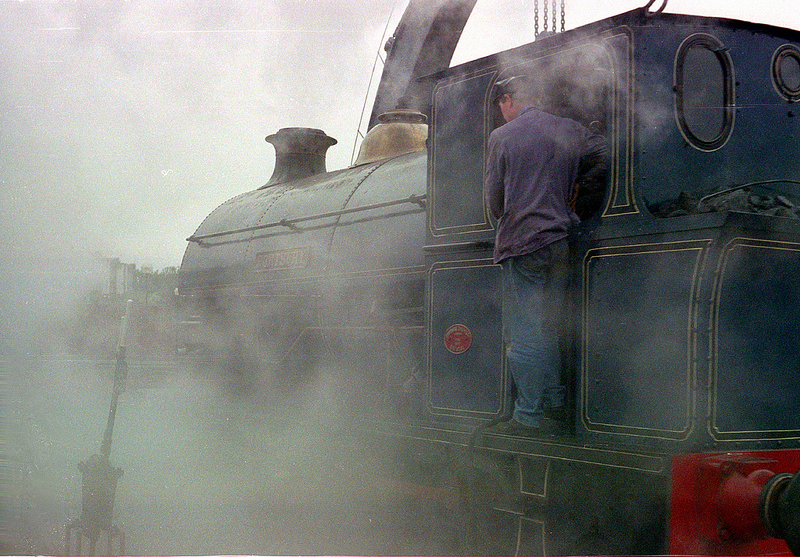
Eerie fog in the morning at Wapping Wharf Car Park (Formerly the coal depot)

Steam crane just visible through the mist

Bristol Temple Meads – The old grosvenor hotel on the left, the goods only line to the docks passed over the road, on top of the building in the centre. This line was last used in 1962.

And the other side, BTM is behind the camera

The old station, still very imposing!

Back at the docks…

The Eastern extent of the BHR