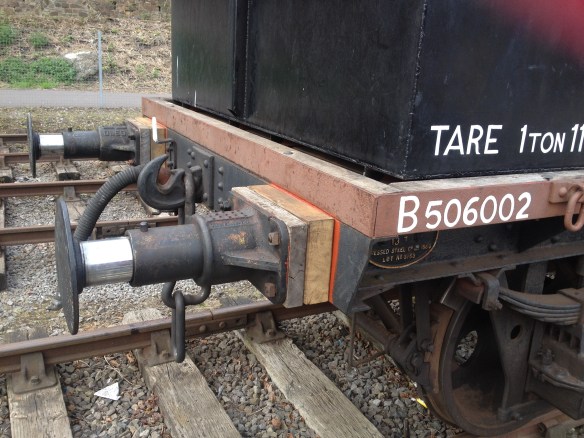
The buffers have been removed from the Conflat, fresh timber added, and refitted.
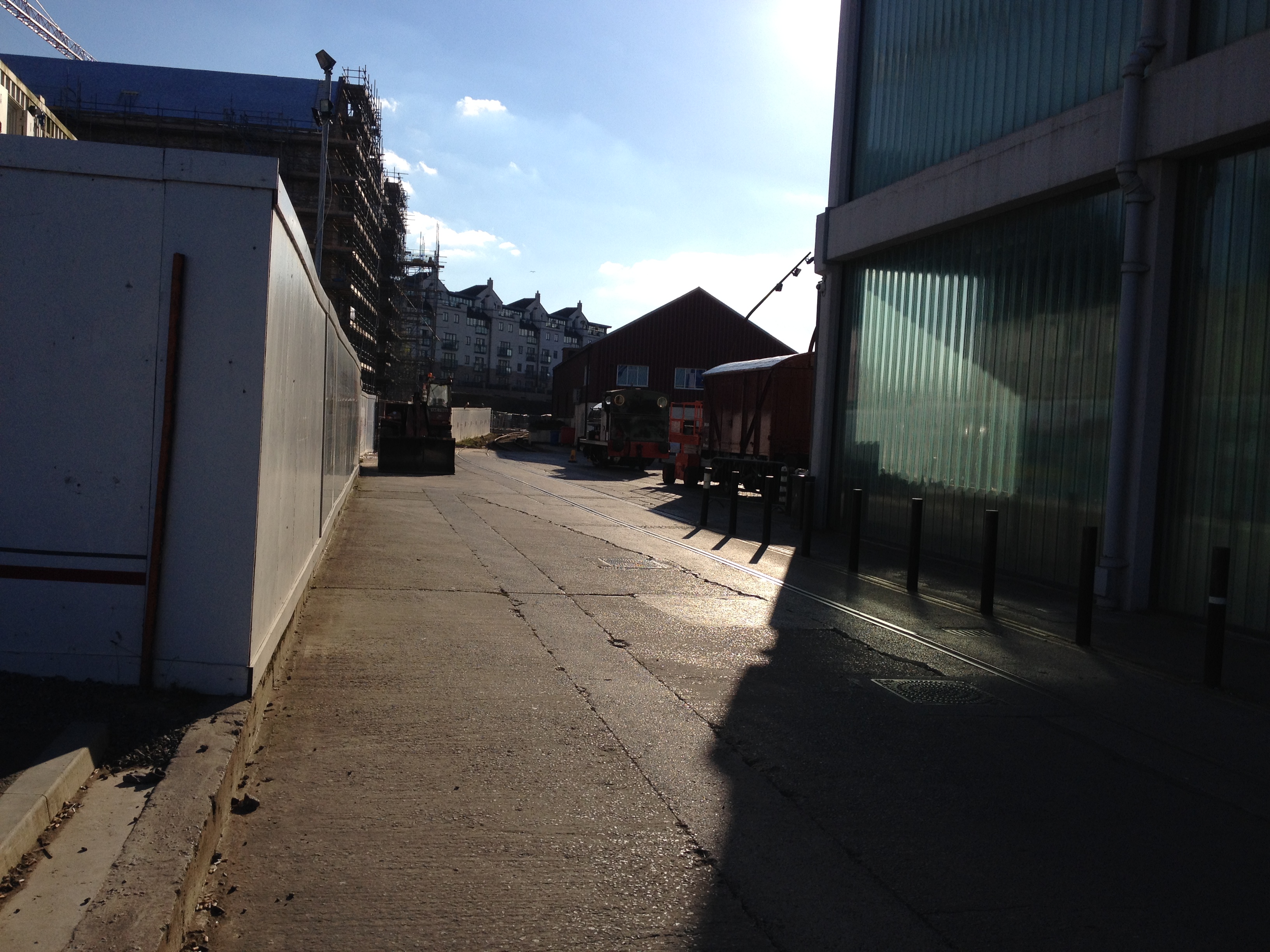
 The MOGO is currently housed in the engine shed while work continues on the roof. The van is pictured outside in the company of ‘Kilmersdon’.
The buffers have been removed from the Conflat, fresh timber added, and refitted.
The MOGO is currently housed in the engine shed while work continues on the roof. The van is pictured outside in the company of ‘Kilmersdon’.
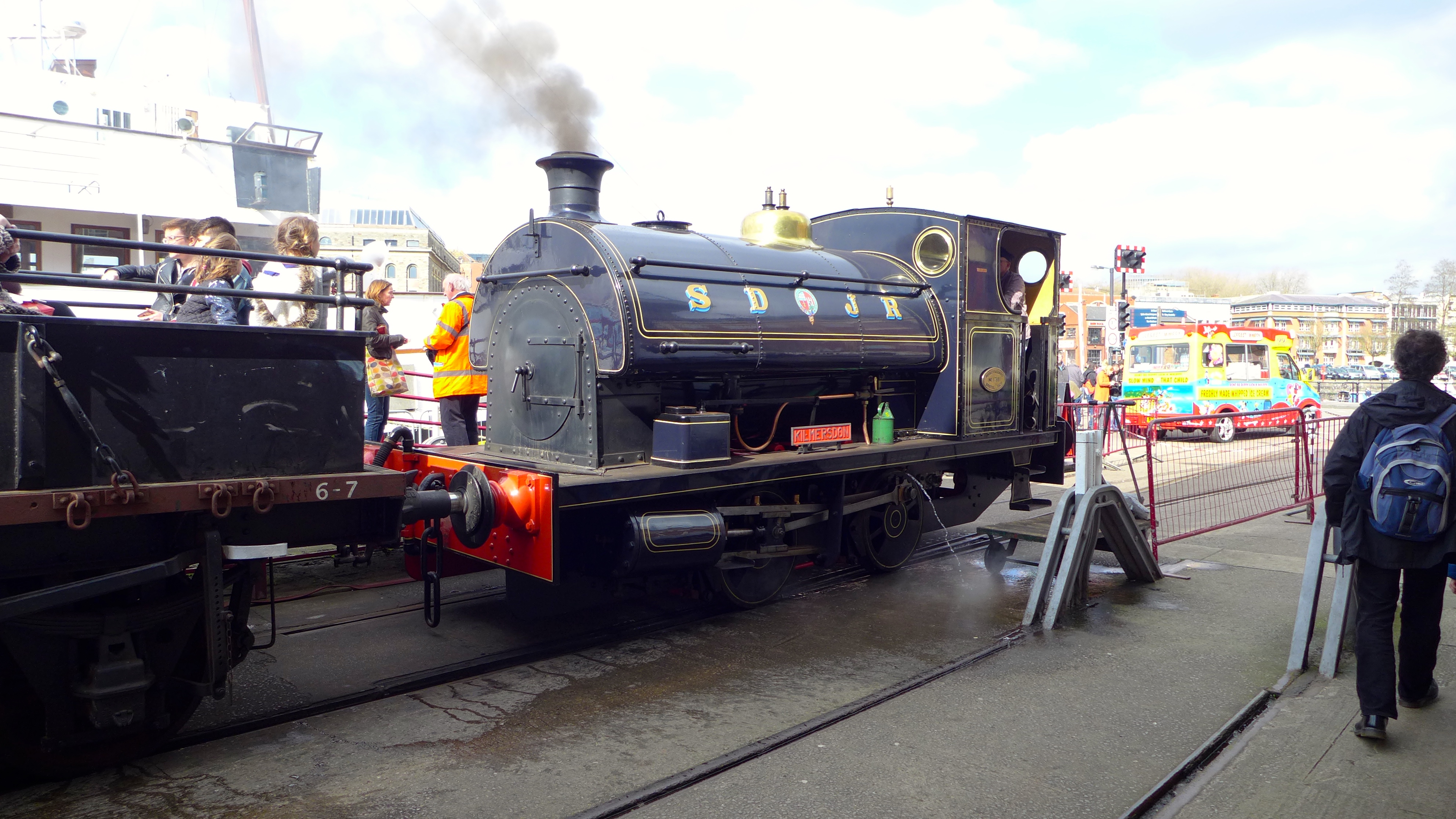
Callum Willcox took this great footage of visiting Peckett 0-4-0ST ‘Kilmersdon’ giving passenger rides in the glorious sunshine on 6th April 2015.
Blue skies and blue locomotive today, as Peckett 0-4-0ST ‘Kilmersdon’ is at work on passenger trains for the first services of 2015. The SS Great Britain and New Cut branches are in operation, come down to the docks for a ride!


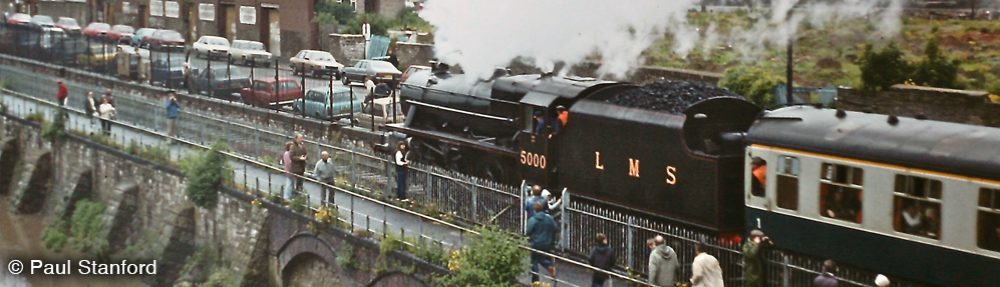
It’s the first BHR operating weekend of the year, with 3 days of steam-hauled train rides planned.
Saturday 4th April
Sunday 5th April
Monday 6th April.
Visiting Bristol-built Peckett 0-4-0st ‘Kilmersdon’ will be providing motive power.


‘Kilmersdon’ was built by Peckett in 1929 and numbered 1788. It worked at the NCB’s Kilmersdon Colliery in Somerset and now belongs to the Somerset and Dorset Railway Trust.
She has previously visited the BHR and worked photo charters, and was a former stablemate of ‘Portbury’ and ‘Henbury’ at Radstock.
In this first look at the changing face of the Butterfly Junction area, you can see the extensive clearance of foliage that has taken place. Surveyors have been working in the area over the past few weeks.


Further down the line, the area around the Cumberland Road Bridge siding has also been cleared. The spare wagon wheelsets have been moved out of the way. The plans for the bridge indicate that the path here will be raised up to platform height in order to meet the new bridge.


The ‘Toad’ brake van is receiving some attention this winter. The rather tired door is being renewed, and the van has been jacked up, the springs removed, and packing wood in place.


Pictured here is the former harbour plug, used from 1804-1935 when it was replaced by one made of rubber. The harbour needed to be drained fully to allow the plug to be removed, restricting navigation for 2 days.*
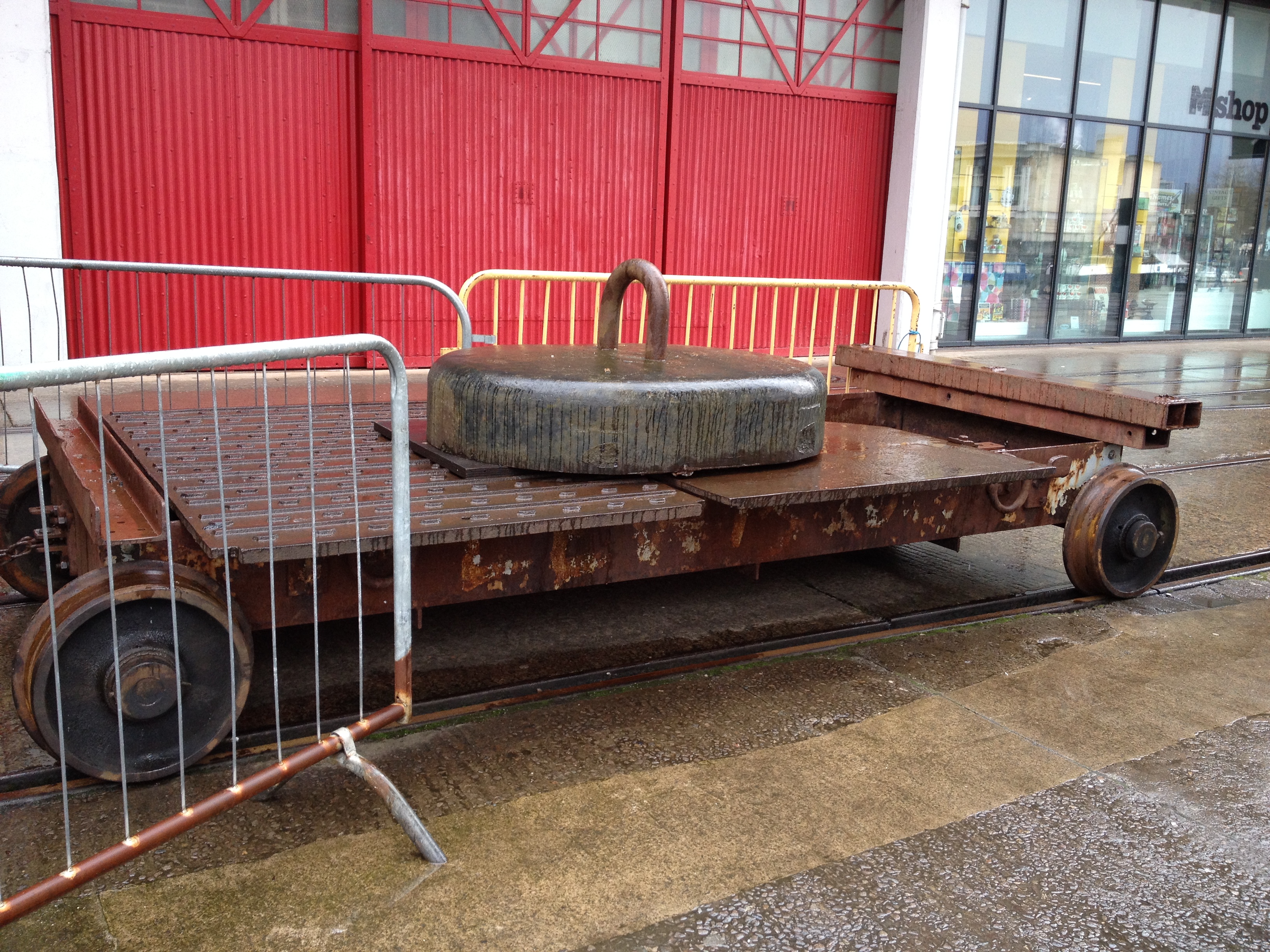
*This is not true, just a joke!
Paul Jarman of Beamish Transport Online has posted updates on Portbury’s arrival at Beamish. Shunted off the lorry siding by departing hire loco ‘John Howe’ (An Andrew Barclay 0-4-0ST), Portbury was in steam the next day and immediately put to work shunting the yard at Rowley station.


These photos appear here with Paul’s permission
Avonside ‘Portbury’ arrived at Beamish Museum today, shown by this photo and video shared on the Museum’s facebook page
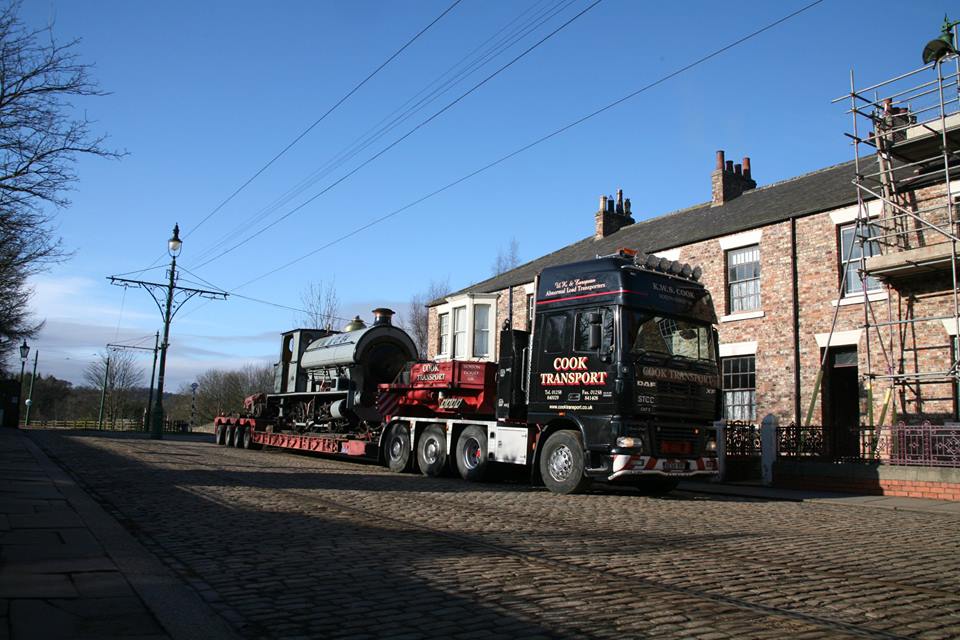
‘Portbury’ has departed Bristol and is now on her way North to Beamish!
In May 2014, a shunting move to get rolling stock out of the Smeaton Road shed and into the rebuilt ‘Barn’ saw Fox, Walker and Sons No.242 (NCB No.3) out in the open air. This loco had new bearings fitted before the rebuild of M Shed in 2006, so is a rolling chassis and can be moved around.
The photos also give an indication as to the condition of the loco, and the scale of any restoration that might take place.
These pictures were taken by Michelle Scoplin of the Create Centre and appear here with her kind permission.


