It’s the 11th July 1993. ‘Portbury’, resplendent in blue, is being prepared for the day’s work. Note the industrial buildings behind, now the site of apartments.
_%26_'Beware_of_Trains'_sign,_Bristol_Docks_11.7.1993._(9922422274).jpg)
Photo courtesy Gillet’s Crossing/Wikipedia Commons

It’s the 11th July 1993. ‘Portbury’, resplendent in blue, is being prepared for the day’s work. Note the industrial buildings behind, now the site of apartments.
Photo courtesy Gillet’s Crossing/Wikipedia Commons
Plenty of action on the dockside. 3 cranes in operation, along with the electric capstan shunting wagons. Actors from Show of Strength Theatre Company in character, loading demos, the Bristol Lorry, Portbury in Steam, and rides on tugboat John King to boot!


Here’s a video of the electric capstan winch shunting demonstration:
Following up from the story of Portbury in Preservation, here are a few highlights from Henbury’s career after being withdrawn from Avonmouth shed in the 1960s.
Henbury was rebuilt with the 5 year old boiler from a sister engine, and in after a spell in store, in 1972 she was located at Radstock engine shed with No.242 and Portbury.
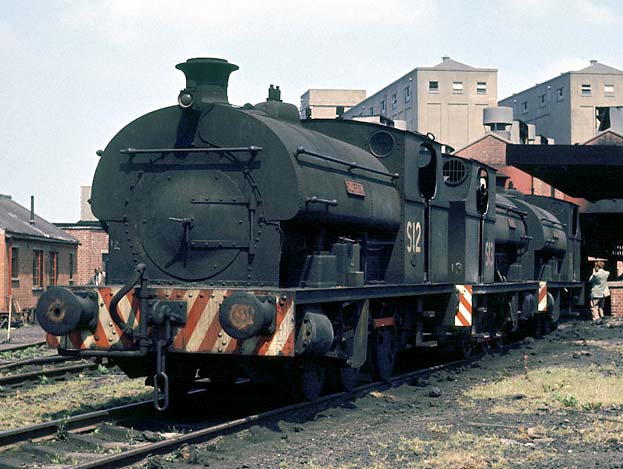
‘Henbury’s classmate, Peckett S12 ‘Clifton’ on shed at Avonmouth, (Photo copyright Geoff Plumb, used here with permission)
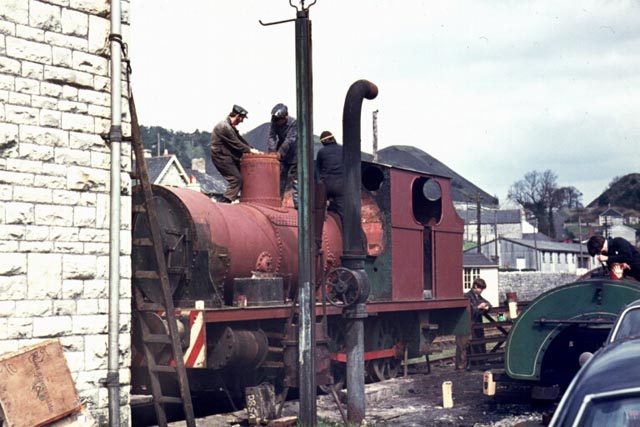
Henbury under restoration at Radstock in 1972 – note the striped bufferbeam typical of Avonmouth locos
She was put to work hauling brake van specials from Radstock Station to Writhlington – a distance of approximately 1.5 miles.
At this time she wore a partly lined out green livery (lining on the cabside and front of the saddletank only), lighter than the shade she had when withdrawn, with red buffer beams.
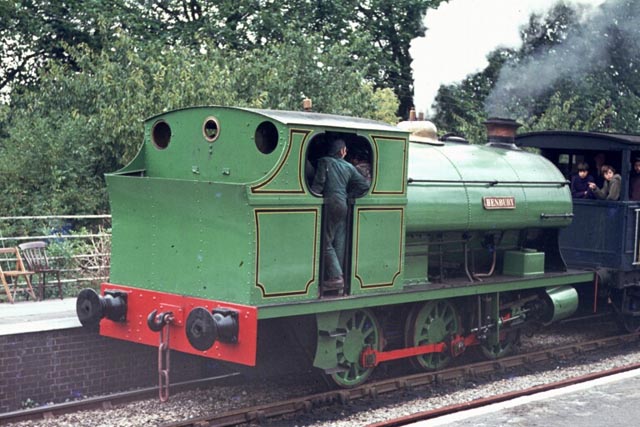
Henbury working on passenger trains at Radstock
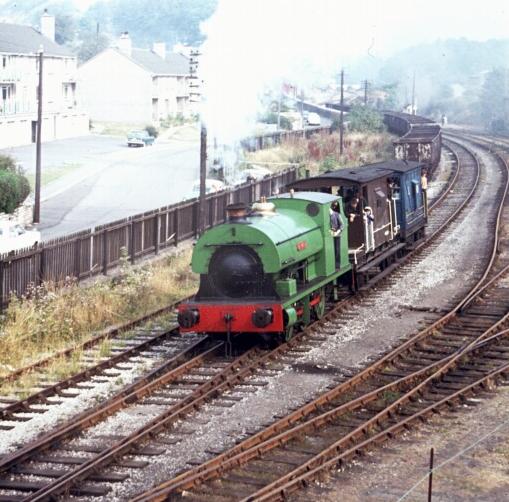
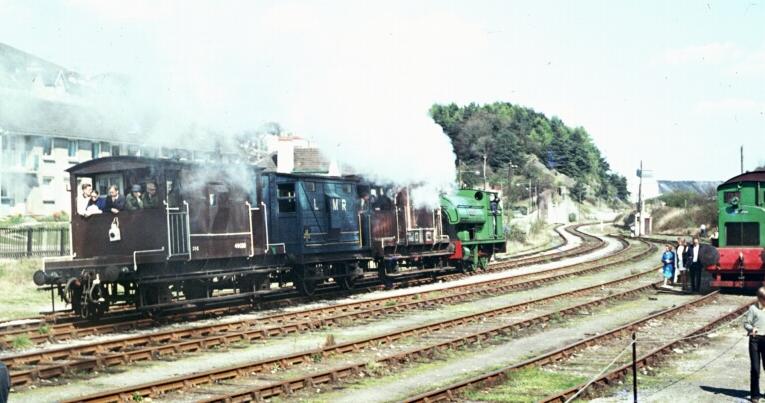
As mentioned before, the Radstock operation finished in 1975 and Henbury was homeless for a short while, until in 1978, the Bristol Industrial Museum opened.
.jpg)
Henbury outside M Shed, before it opened as Bristol Industrial Museum, December 1975
Henbury was present at the opening ceremony of the museum, and was immediately put to work pulling passenger trains on the quayside.
At this time, coal trains from the main line would regularly travel down to Whapping Wharf sidings, either trip worked a BR loco, or thereafter by the Western Fuel Company’s Hudswell Clark shunter.
It was in 1981 that the diesel loco required repairs, the Western Fuel Co. turned to the nearby museum for assistance, and Henbury was pressed into service to keep coal coming in to Bristol, thereby becoming the first preserved steam loco to haul scheduled goods trains for British Rail.
Repainted with a yellow bunker, running plate and WESTERN FUEL CO. lettering on the tank sides, she pulled full wagons from Ashton Meadows to Whapping Wharf, and empties back, for two weeks.
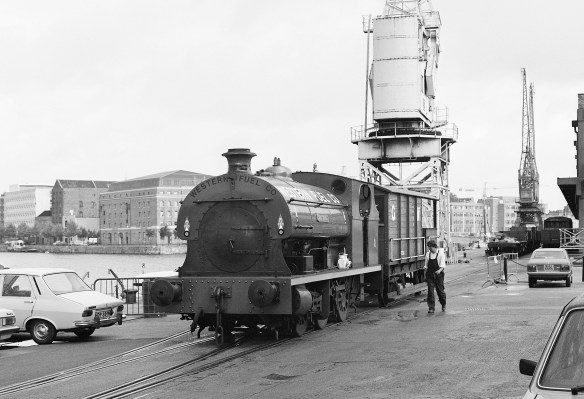
On shuttle runs, 27/09/1981
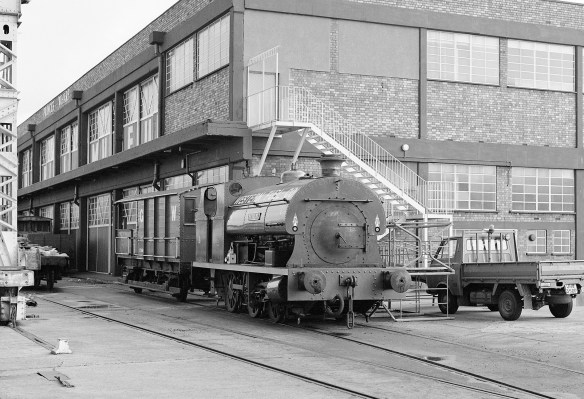
At the old passenger halt, 27/09/1981
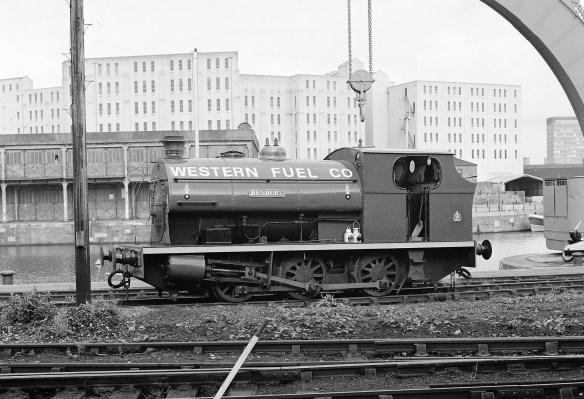
In Western Fuel Co. markings, ready to pull coal trains, 27/09/1981
The above photographs are copyright John Chalcraft and can be purchased from Railphotoprints
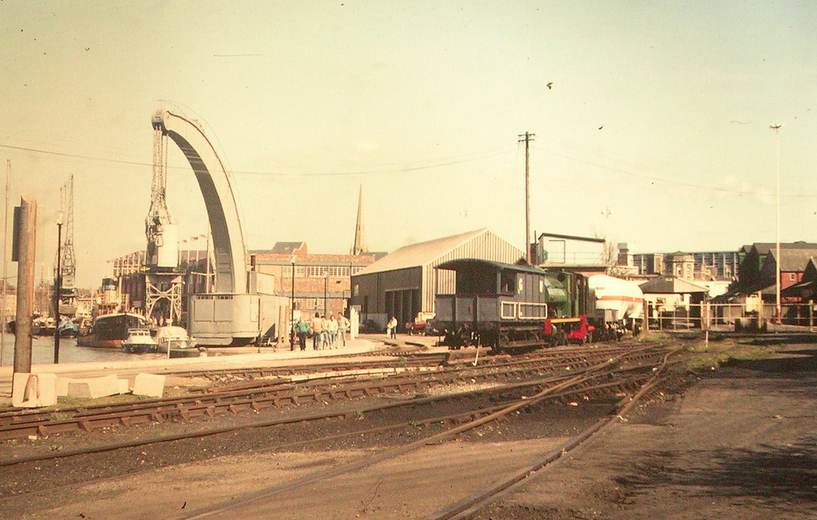
At the Wapping Wharf sidings, Fuel Co. compound to the right
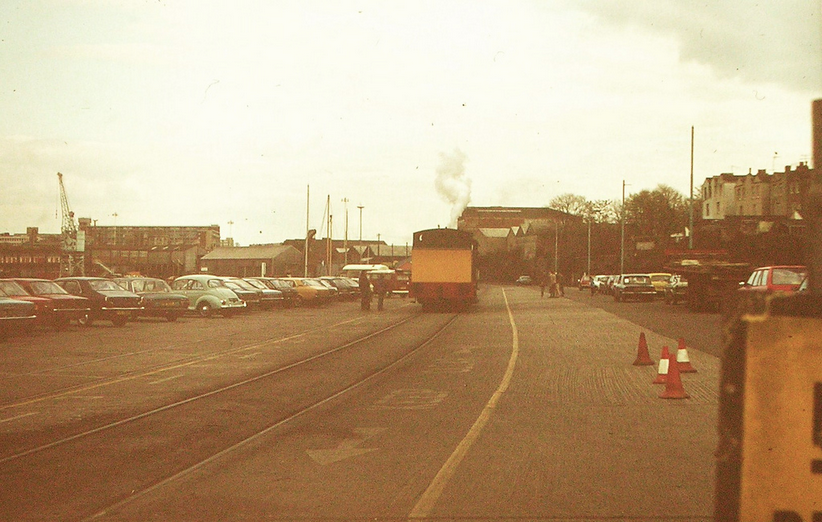
Approaching the site of the current SS Great Britain Halt
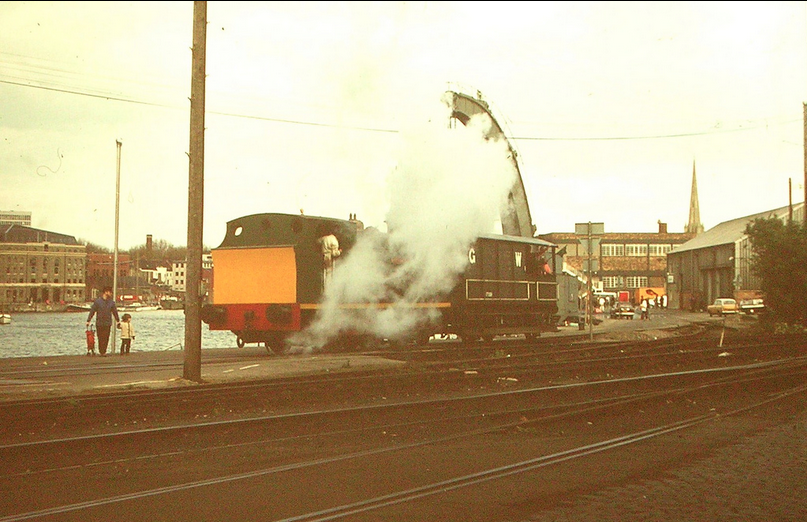
On shuttle runs showing the yellow bunker
The above photos are copyright flickr user Emmdee
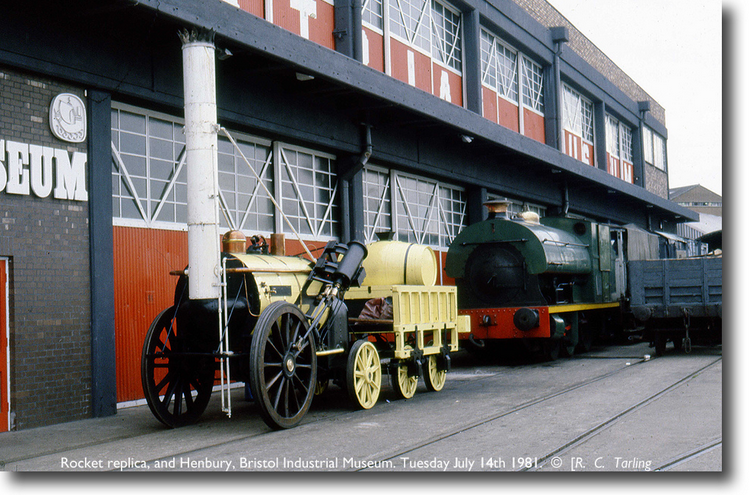
Sharing the line with an unusual stablemate
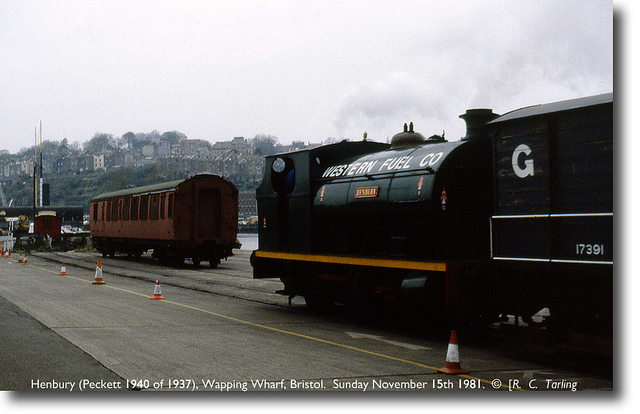
At the site of SS GB Halt
Above photos are copyright Robert Tarling
Henbury has hauled thousands of passengers over the years. In the 1990s her livery was altered again, the lining more closely resembles that which she wore at Avonmouth, but extending over the saddle tank as well as the cab.
Here she is pulling BR Mk1 carriages at the Festival of the Sea in 1996, before the main line link was severed.
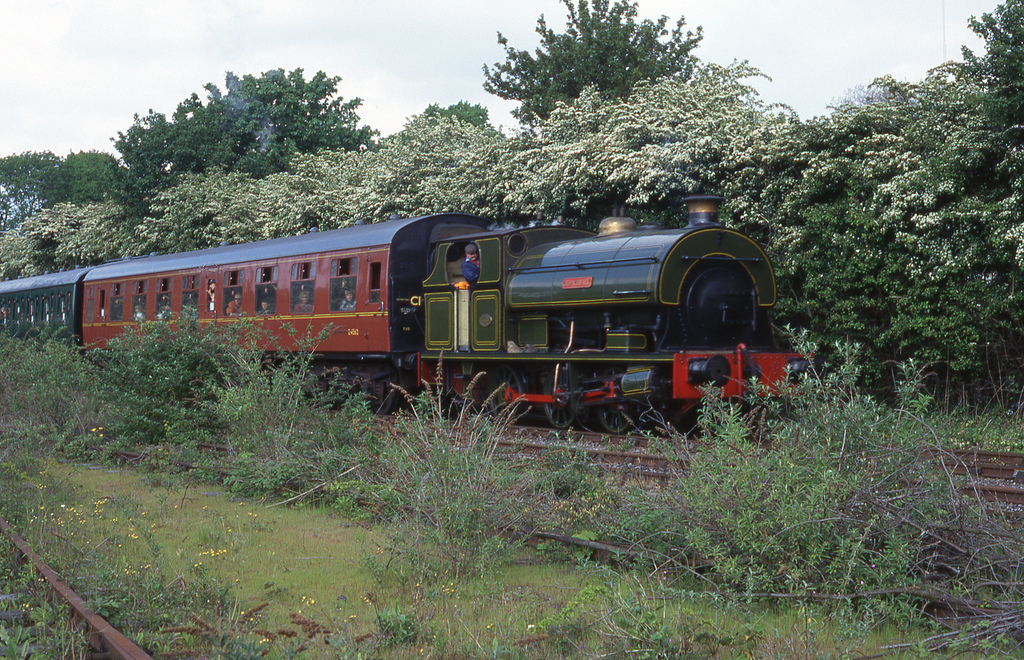
Henbury in ex-works condition, 1996
Rob Skuse on the M Shed working exhibits page compiled a little selection of Henbury’s exploits over the past 10 years. These pictures are all copyright Rob Skuse.
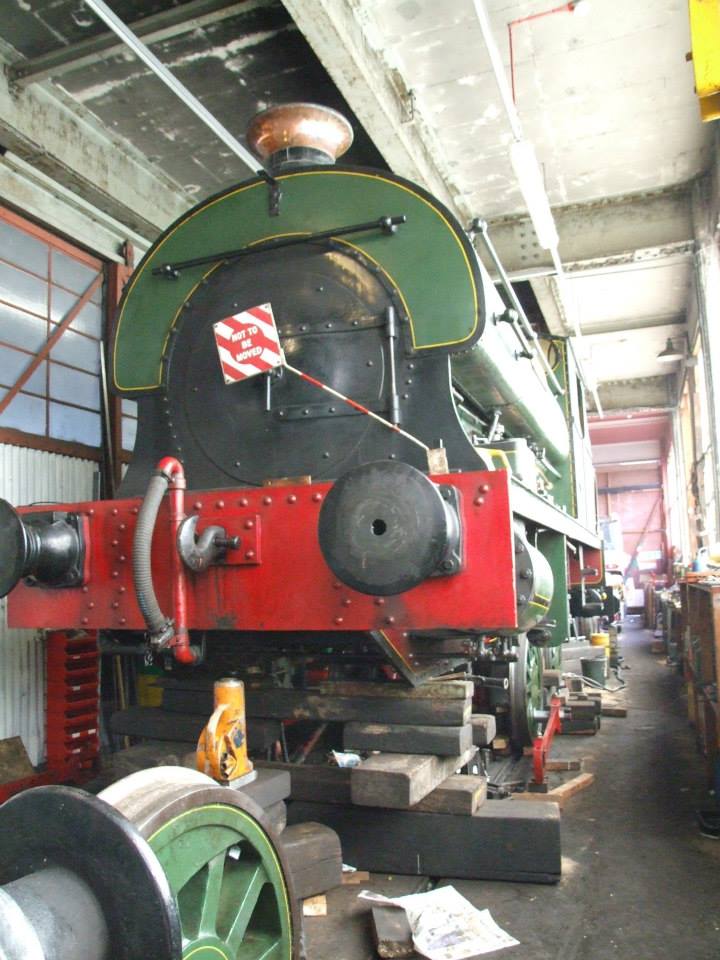
Receiving some attention in the old workshops
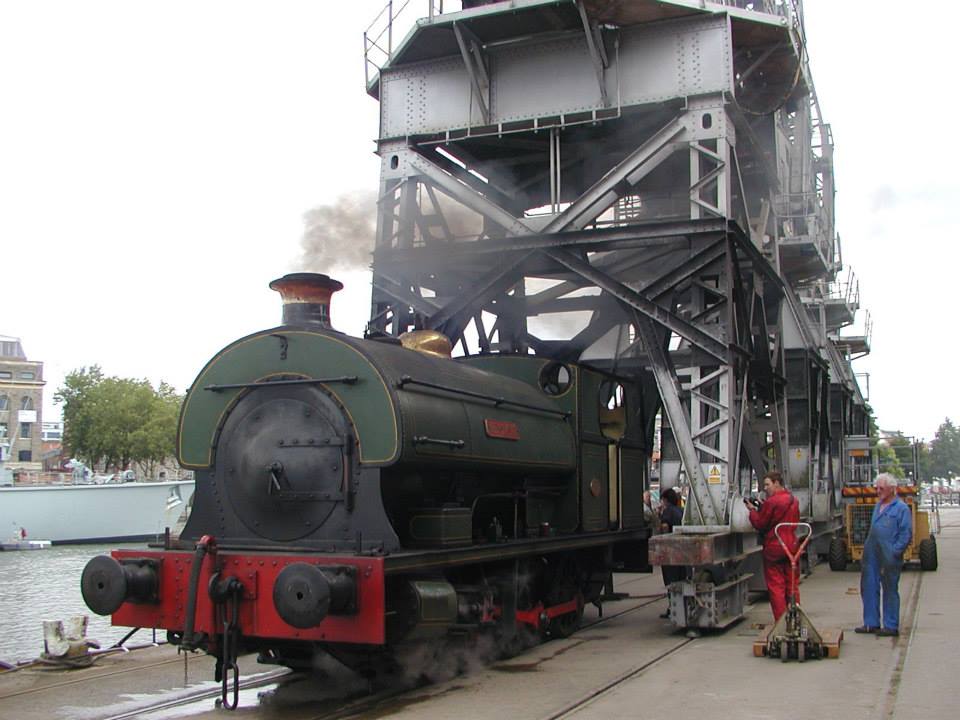
With the refurbishment of M Shed under way, the power supply to the cranes was cut off. Henbury stepped in to help once more, and with the help of some chains, dragged the cranes into position
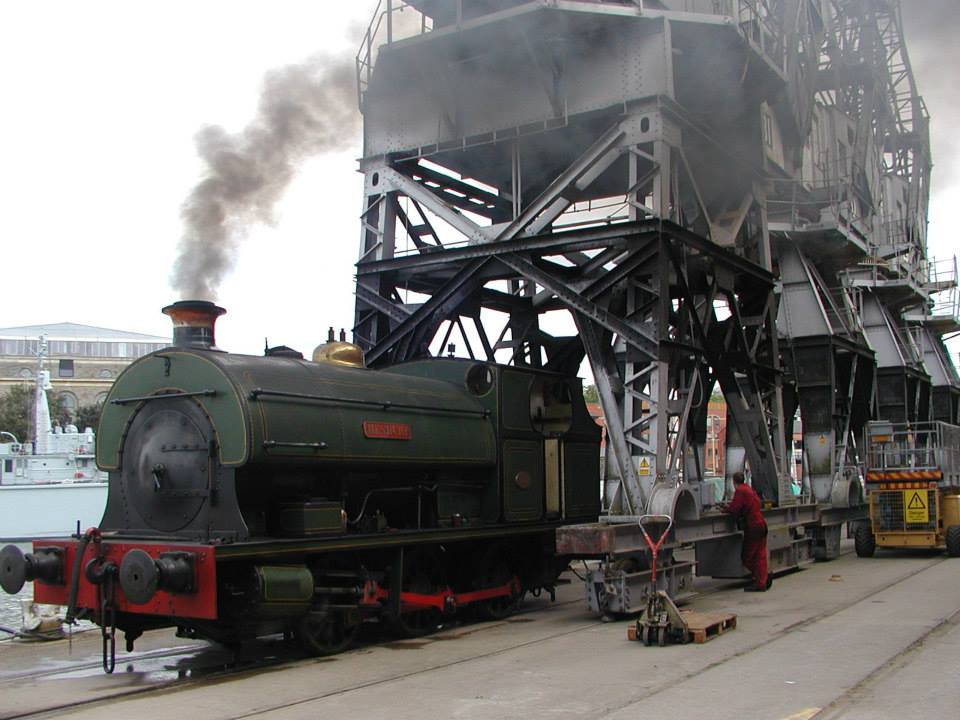
Ready to go
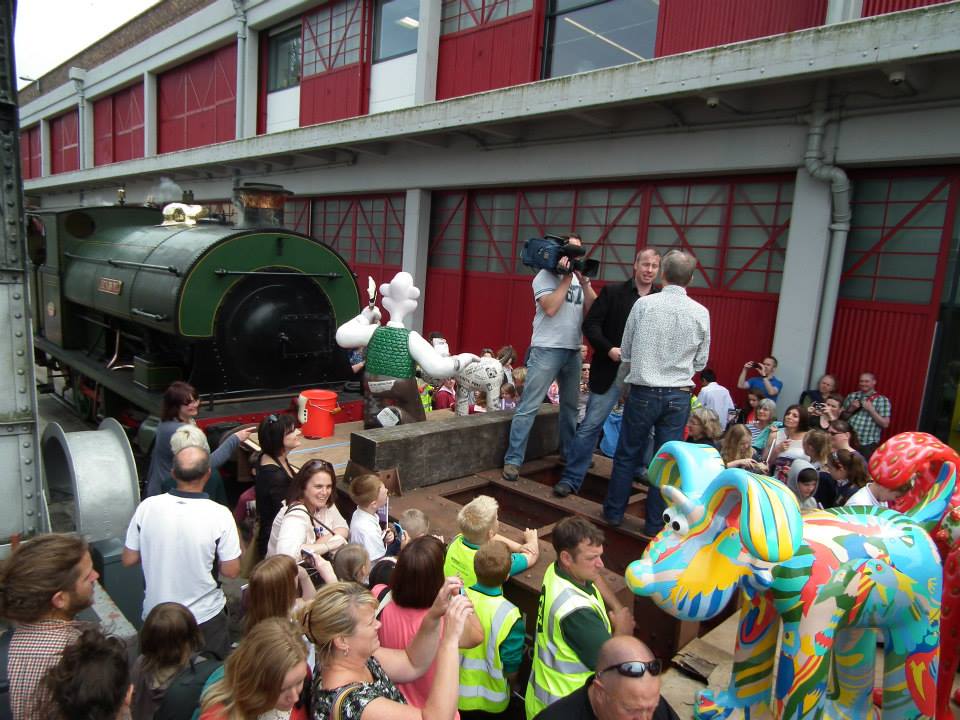
At the ‘Gromits Unleashed’ launch in 2013 with Aardman’s Nick Park.
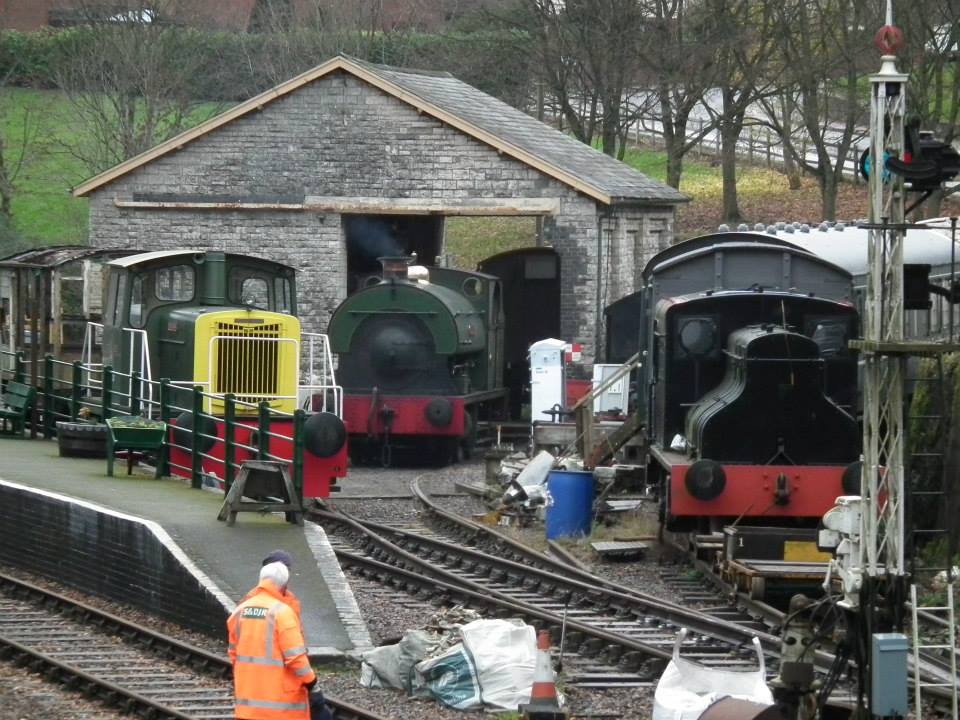
On winter holiday at Midsomer Norton
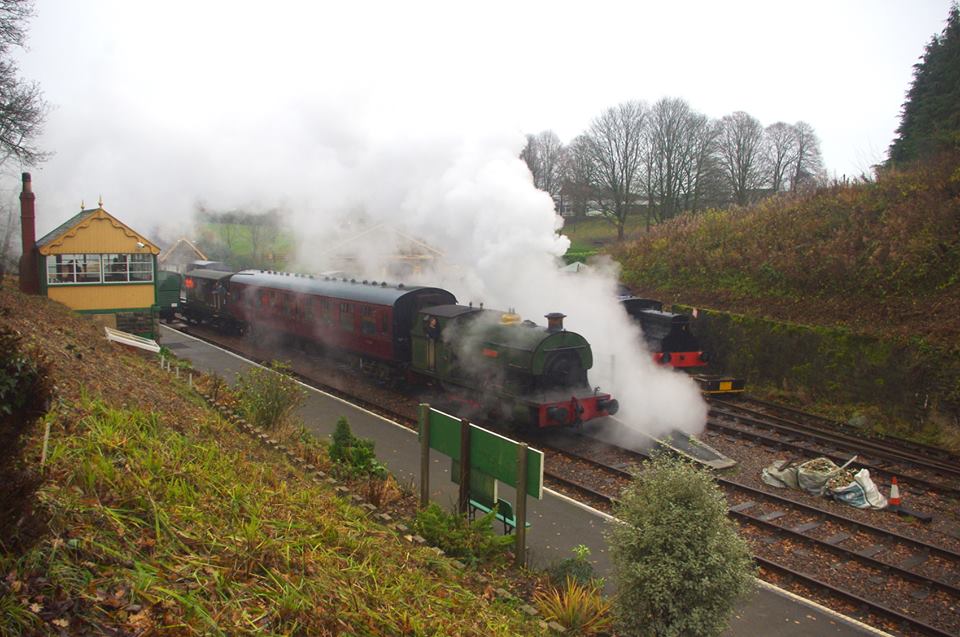
Ready to attack the incline
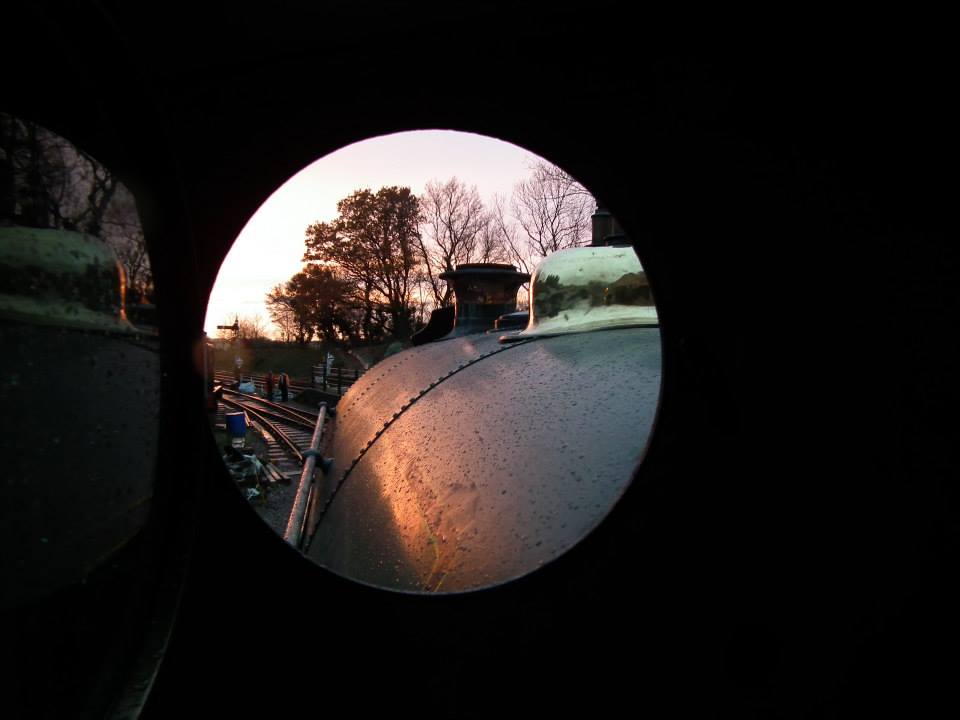
In July 2014, she was withdrawn once more, and will be dismantled to allow her boiler to be inspected.
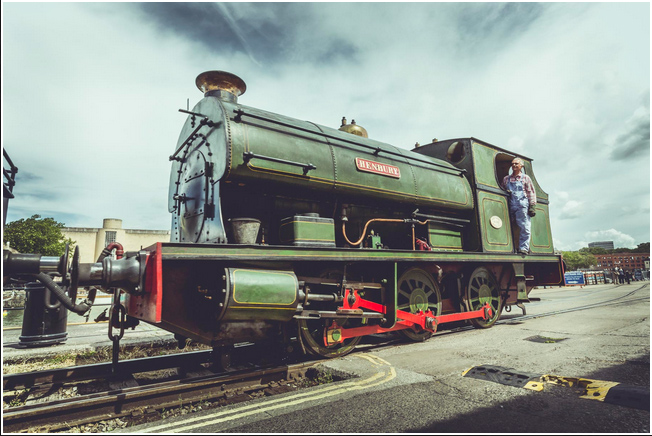
Photo courtesy of Juliet Eden
A few snaps from the weekend’s operations. Really nice to have all three steam exhibits in operation. Lots of happy, friendly passengers, the sun shone, and steam was in the air.


Way back in 2001, the previously-mothballed rail link to Portbury had been renovated and was due for re-opening. The opportunity was taken to run a special 3-coach train hauled by the museum’s own loco ‘Portbury’ from Parson Street Station (Where the Portishead branch leaves the Great Western Main Line) to the new terminal at Portbury dock.
A full write-up of this historic event written by Paul Stanford can be read on the Avon Valley Railway’s website here:
http://semaphore.avonvalleyrailway.org/html/avonside.html
Here are two videos on YouTube documenting the event, one taken from the leading carriage of the special train.
It’s the second day of the Bristol Harbour Festival, and compared to Saturday’s thunderstorms, the weather is positively delightful.
Peckett ‘Henbury’ comes out of traffic today as her 10-year boiler certificate is due to expire. She’s been a long time stalwart of the Bristol Harbour Railway from the very beginning.
These images are from ‘Henbury’s second to last operating day, and appear here with the kind permission of Juliet Eden. You can see more of Juliet’s fantastic photos on her website: http://julieteden.com/mdashshed


From the 24-27th May 1996, Bristol Harbour was host to the International Festival of the Sea. This was a huge event featuring many guest ships and attractions, and of course the BHR played a part. A shining and fully-lined out ‘Henbury’ was joined by LB&SCR E1 class 0-6-0T No.B110, then based at the East Somerset Railway (Now being restored to service on the Isle of Wight as No.W2 ‘Yarmouth’). The two locos operated a shuttle service between the station at Ashton Meadows and the Bristol Industrial Museum with 3 loaned coaches.
The following pictures appear with the kind permission of Geoff Hartland.
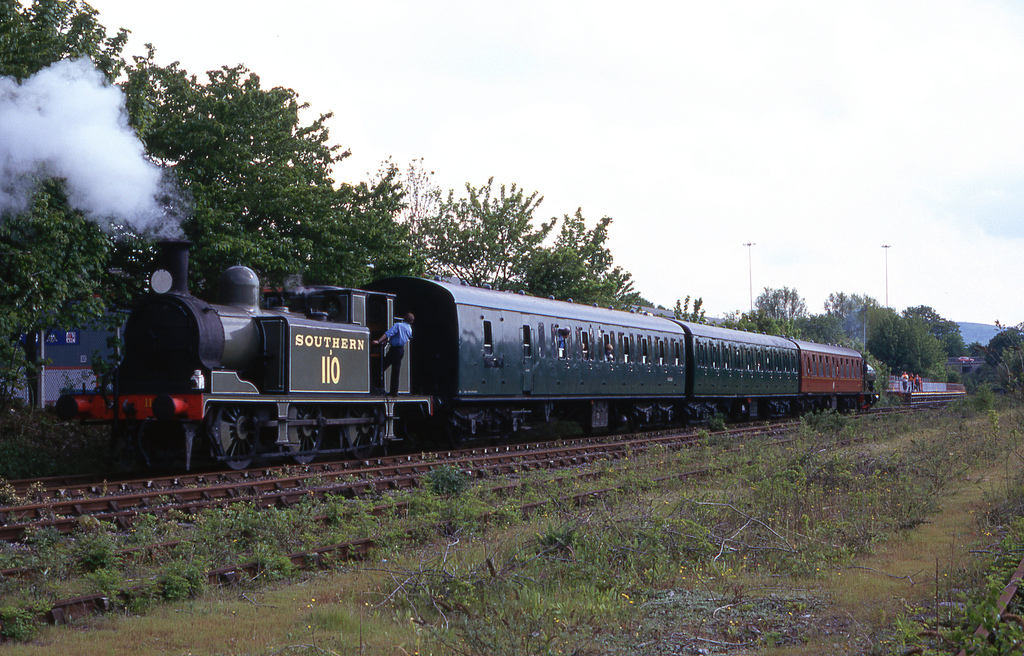
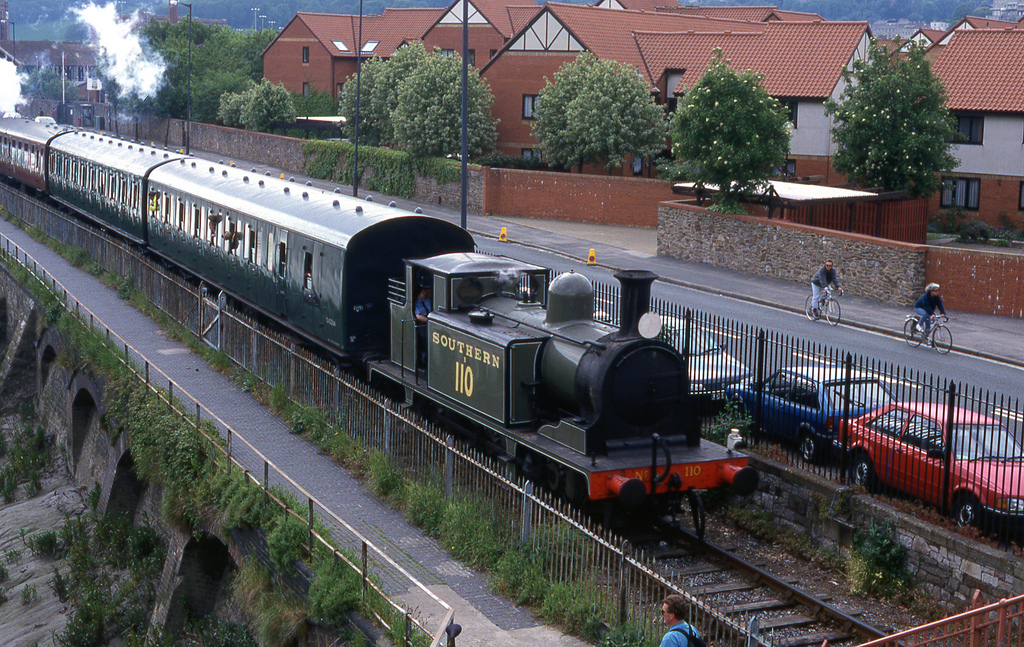
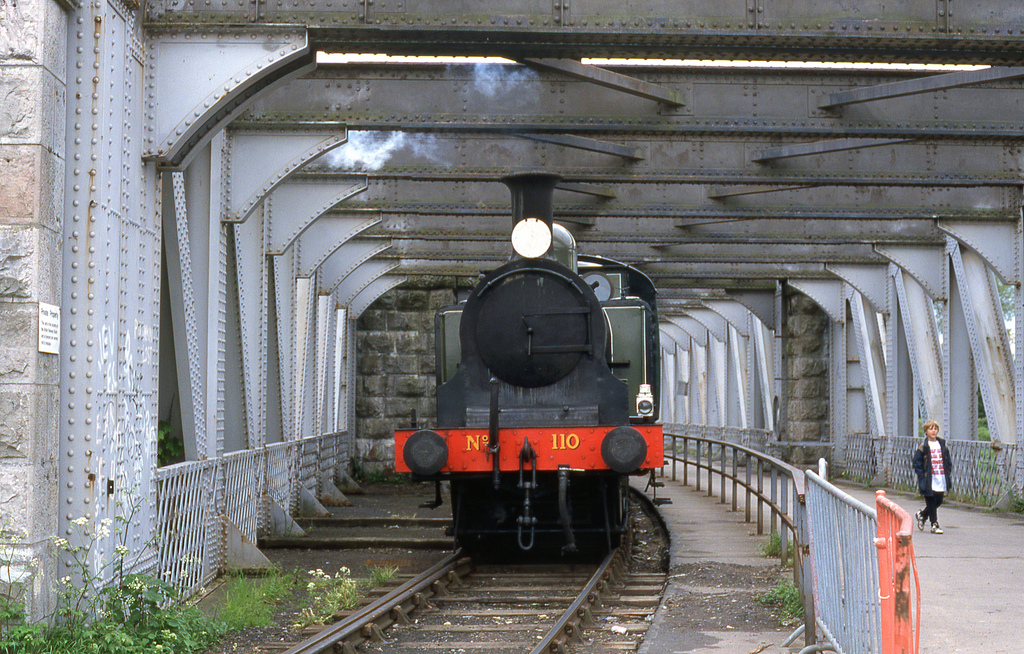
Number 110 was built at Brighton Works in 1877 and named ‘Burgundy’. It was withdrawn in 1927 and sold to a colliery in Rugeley, which resulted in it being the only member of its class to survive scrapping, being sold into preservation in 1963. It was in service on the ESR between 1993 and 1997, when it was withdrawn early due to firebox problems. She is now on display at the Isle of Wight Steam Railway’s ‘Train Story’ exhibition, and will be restored in due course.
A little known and lesser-spotted member of the M Shed Collection is Fox, Walker and Company 0-6-0ST Locomotive Number 242.
Built in 1874, it is the oldest of the three steam locomotives, being 43 years older than ‘Portbury’ (and 63 years older than ‘Henbury’!) and enables the museum to represent all the major engine builders in the Bristol area.
Fox, Walker and Company was taken over by Thomas Peckett in 1880 and became Peckett and Sons, the builders of ‘Henbury’ and her sisters.
242 was the first locomotive to arrive in the museum’s collection. It was donated by the National Coal Board in 1962, having previously worked at Mountain Ash Colliery in Wales, where it was No.3.
These two photographs were spotted for sale on ebay, unfortunately only the thumbnails were available to view online. They show 242 while still at Mountain Ash.
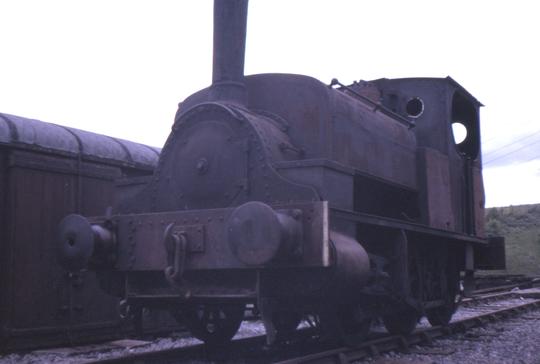
This photo is copyright Malcolm Williams and was found on steamlocomotive.info
It shows NCB Mountain Ash No.3 in detail before departing for Preservation.
Prior to the preserved BHR opening in 1978, she, along with ‘Henbury’ and ‘Portbury’, was to be found at Radstock Station. This was the hub of the initiative to re-open a section of the famous S and D route, spearheaded by the Somerset and Dorset Railway Trust. As previously mentioned, the SDRT moved to Washford station on the WSR in 1976.
Geoff Cryer took these pictures of 242 in the shed at Radstock in September 1975.
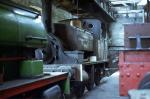
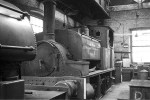
Source: http://www.geoffspages.co.uk/raildiary/radstock.htm and http://www.geoffspages.co.uk/monorail/gc01.htm
When the Radstock project was disbanded, Number 242 went to Bitton (on what is now the Avon Valley Railway) between 1977 and 1986, when she returned to Bristol and was stored in L Shed.
As preparations were made for Bristol Industrial Museum’s conversion into M Shed Museum, the locomotive was made ready to move to another secure location.
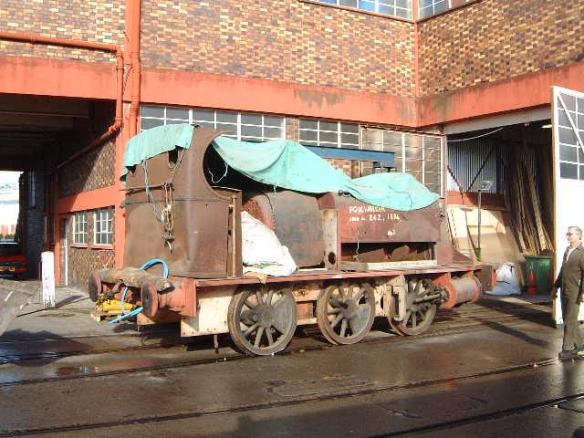
Larry the Loader tows 242 out of the workshop.
Photo courtesy Rob Skuse
Source: https://www.facebook.com/media/set/?set=oa.198379386934483&type=1
As for the future, at nearly 140 years old, there are no current plans to return 242 to steam. Her current storage space may be repurposed due to planned development, so a move might be on the cards. Watch this space…
Avonside No. 1764 ‘Portbury’ was built in 1917 for the war effort, destined to work at the Portbury shipyards. The end of the war in 1918 meant the shipyard never actually built a vessel.
She eventually moved into the fleet of shunters based in Avonmouth and worked there until replaced by diesels.
Here are a few photos from across the internet of her life in preservation.
In the early 1970s, all three of the BHR’s steam locomotives were to be found at Radstock station in Somerset. This was part of a preservation effort to save and operate a section of the Somerset and Dorset Railway.
Here she is outside the shed, looking rather forlorn.
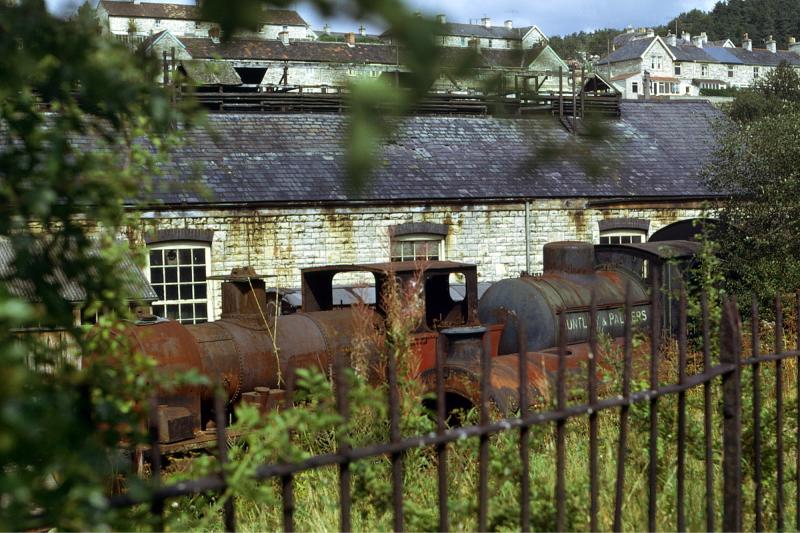
Source: http://www.geoffspages.co.uk/raildiary/radstock.htm
and another pic inside the shed next to 7F 53808
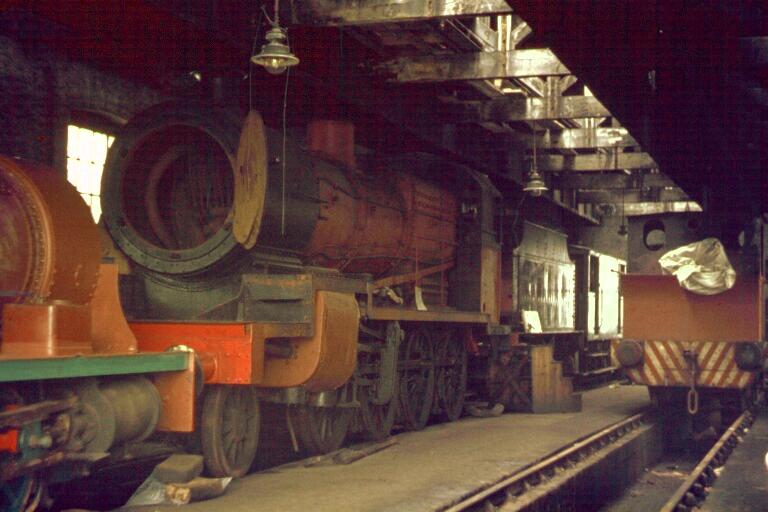
Portbury sharing space in Radstock Shed
Unfortunately, the project at Radstock was unsuccessful and the Somerset and Dorset Railway Heritage Trust relocated to Washford on the West Somerset Railway.
‘Henbury’, ‘Portbury’ and No. 242 found their way to the Bristol Harbour Railway, opened in 1978.
‘Portbury’s restoration was completed in Bristol and she was in brought into operation on the BHR.
Here she is in lined blue livery back in 1992.
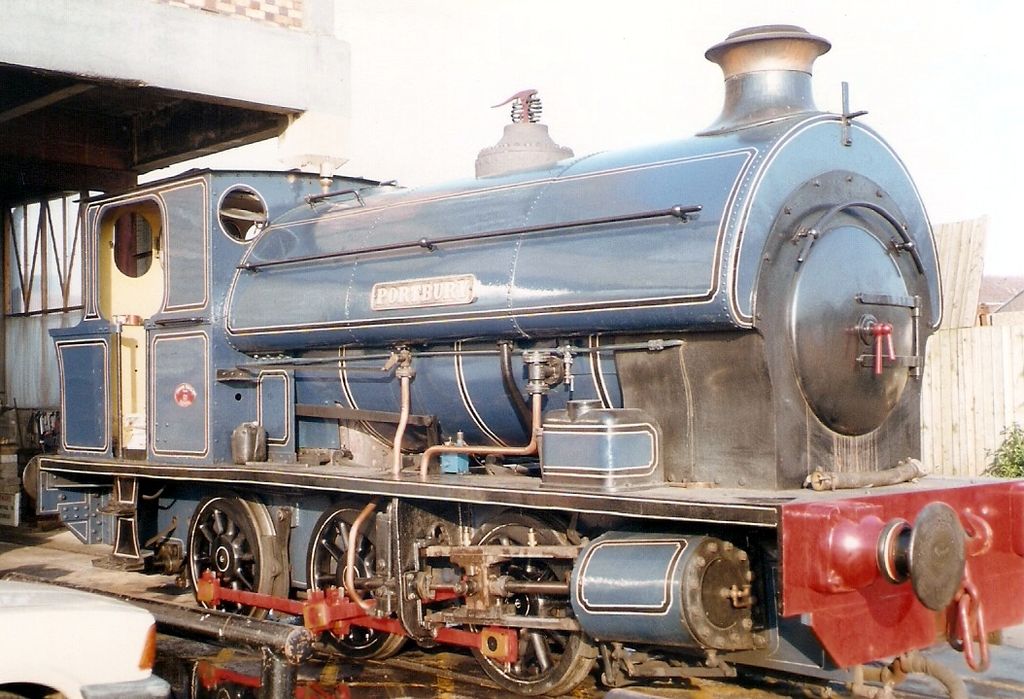
Original source:
http://www.geolocation.ws/v/W/File%3APortbury%202.jpg/-/en
and in operation in 1996
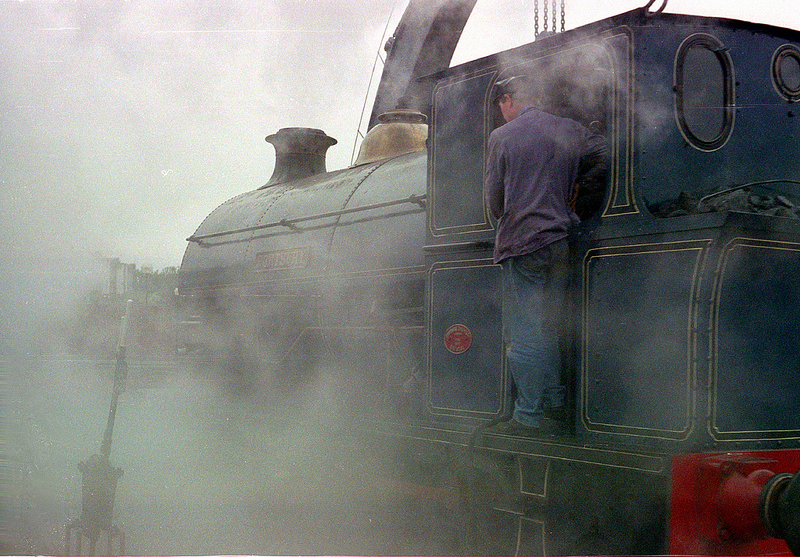
Source: http://bit.ly/1erjN1L
After another overhaul, she emerged in 2001 in a livery akin to the one she first wore, the initials ‘I W & D’ stand for ‘Inland Waterways and Docks’.
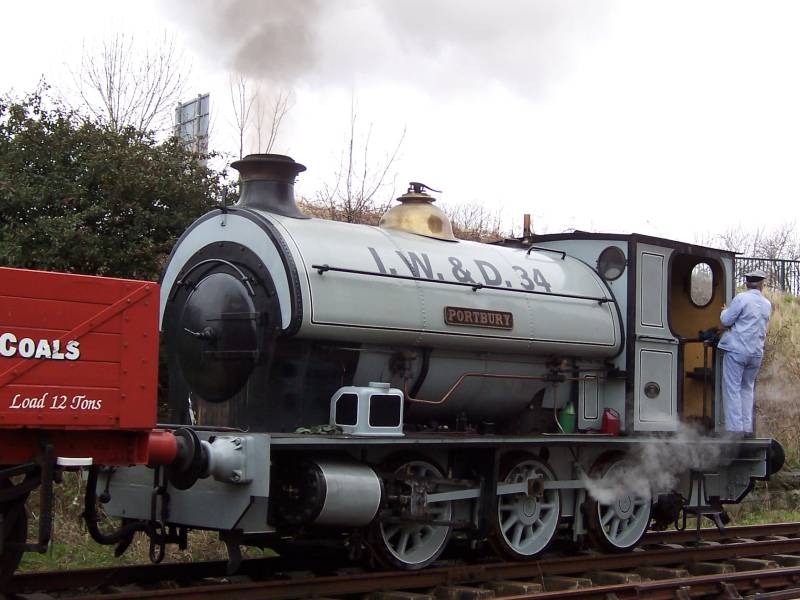
Source: http://www.bristoljpg.co.uk/2004/portbury.jpg
Now, in 2013, this livery has been adapted to more accurately represent her 1917 condition – note the lack of nameplate (She was not named ‘Portbury’ until her time at Avonmouth Docks) and the black wheels.
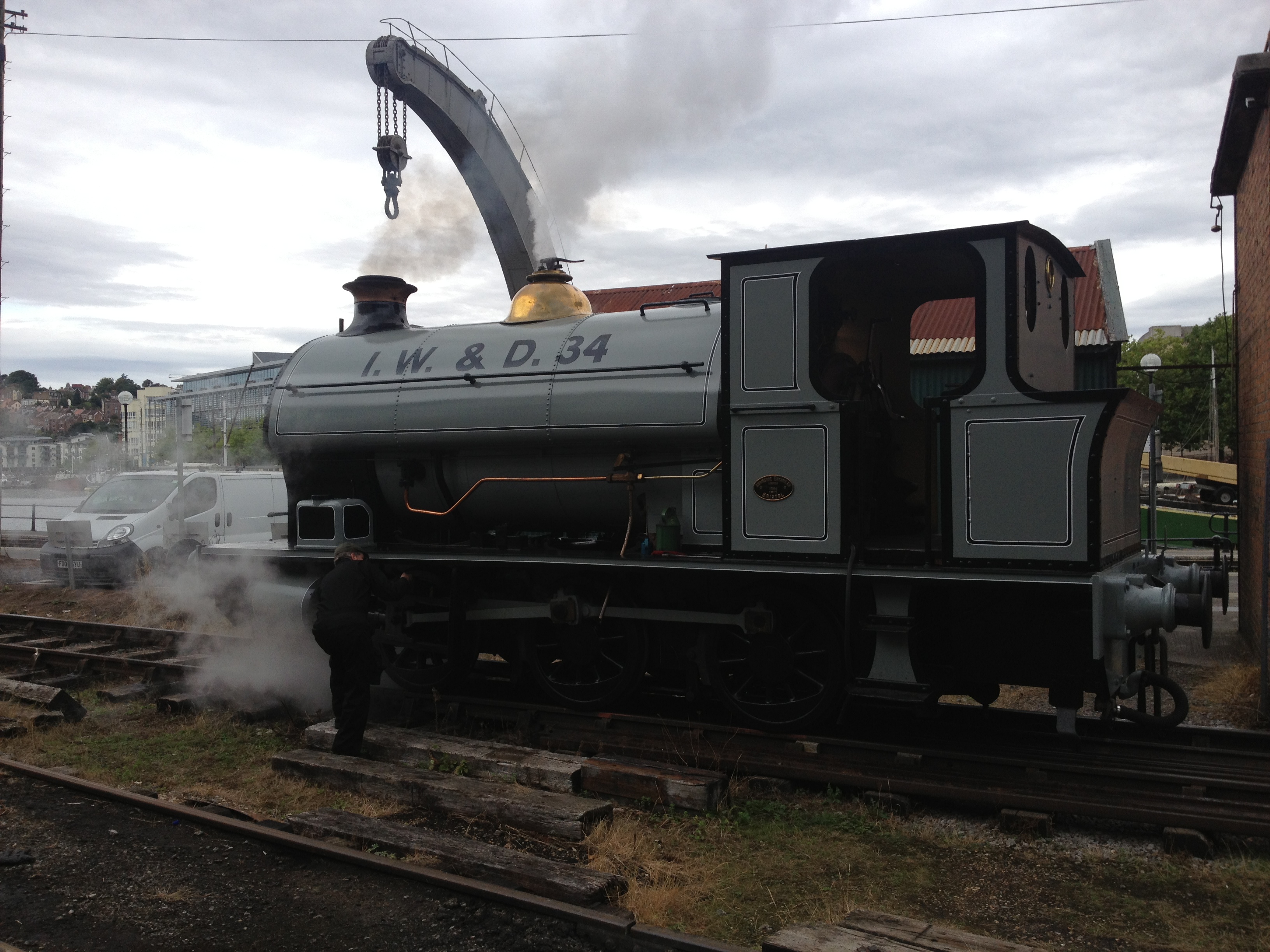
I was lucky enough to take some holiday last week and have spent the days down at the railway. ‘Portbury’ has been the main focus of attention as she is prepared for her steam tests.
Here’s a few pics I’ve taken over the course of the week.
Firstly, lining in progress (During Harbour Festival)
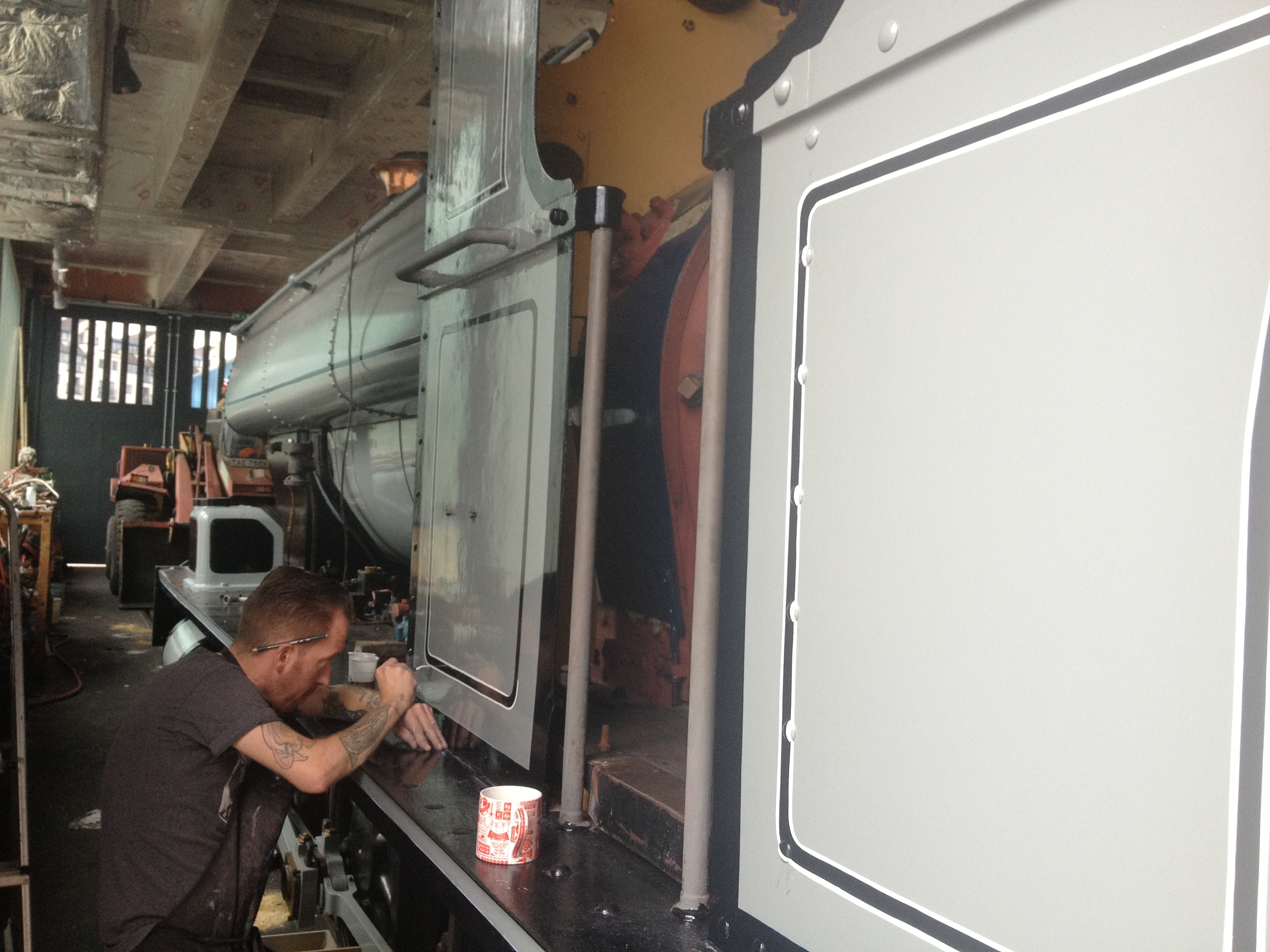
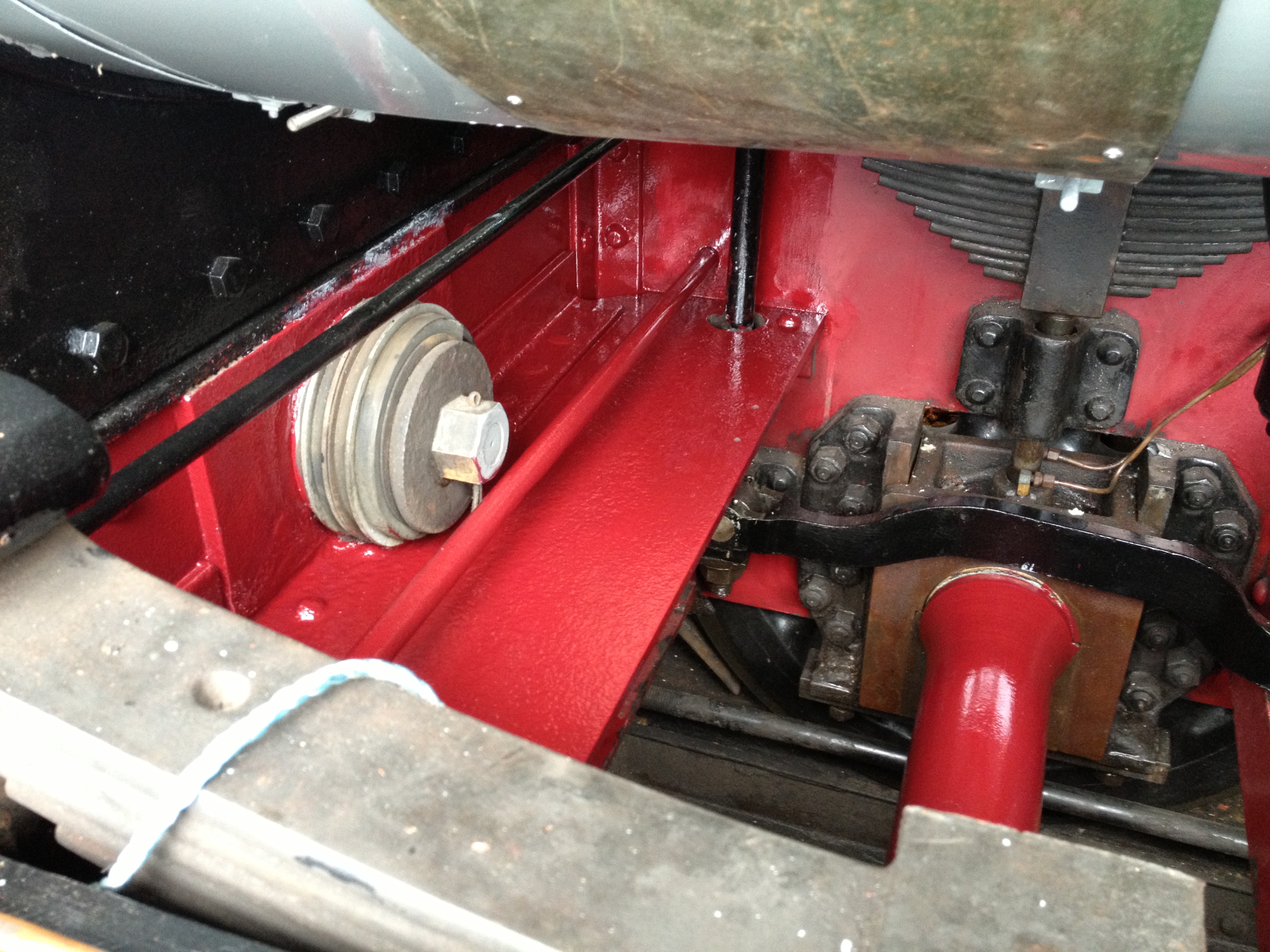
Painting up the inside of the frames
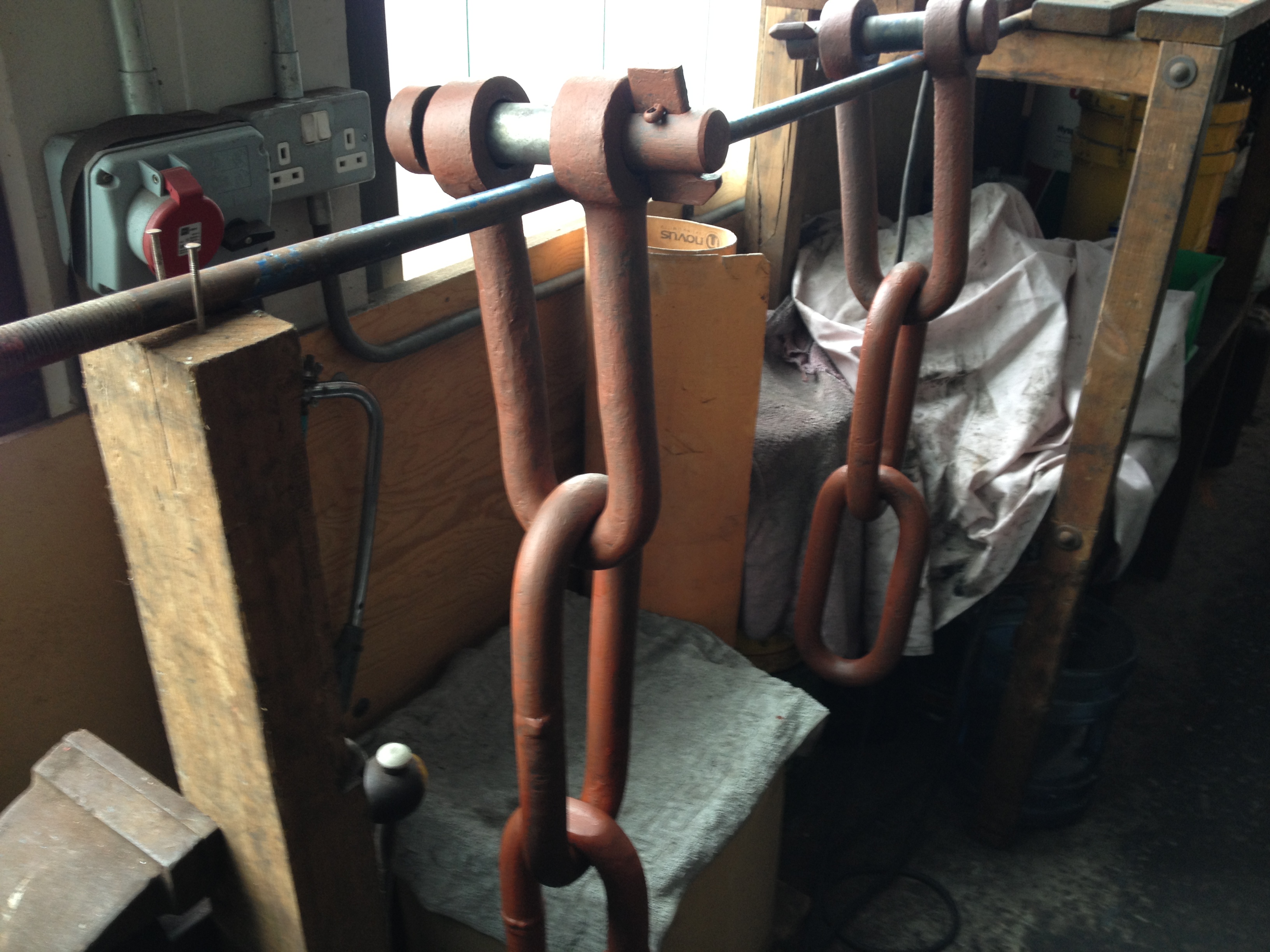
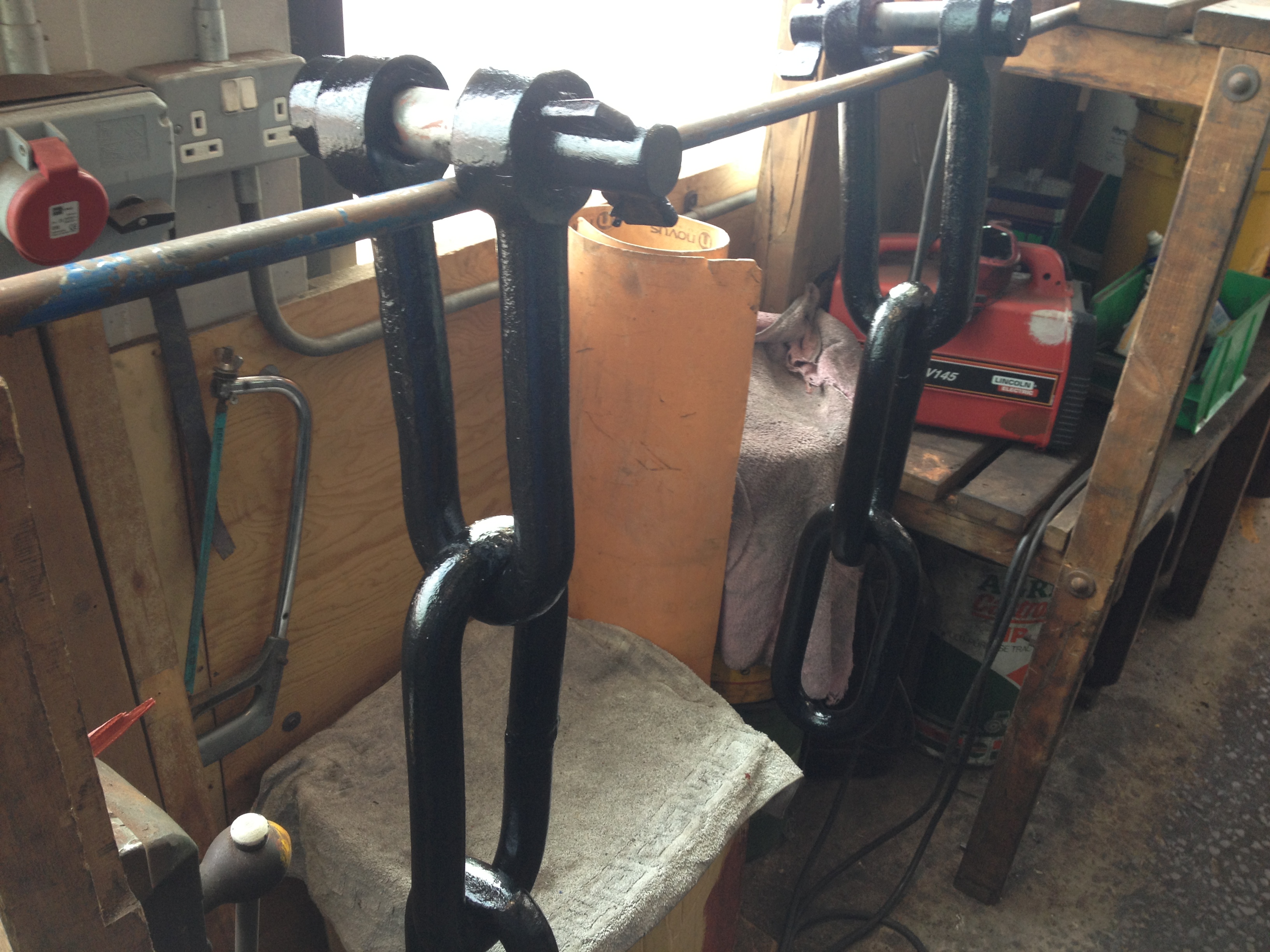
and the coupling links (red oxide first)
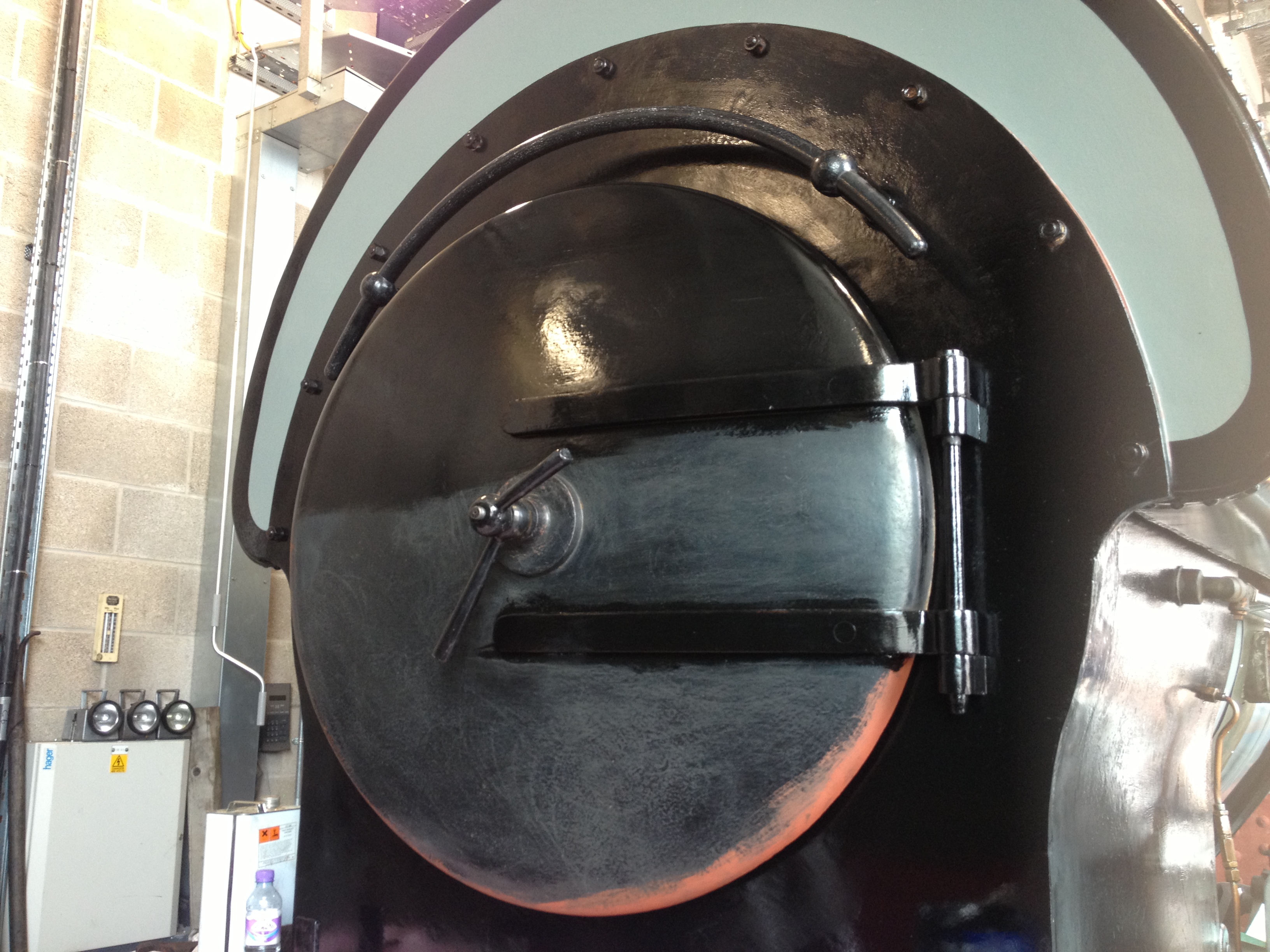
Smokebox front rubbed down and first coat applied
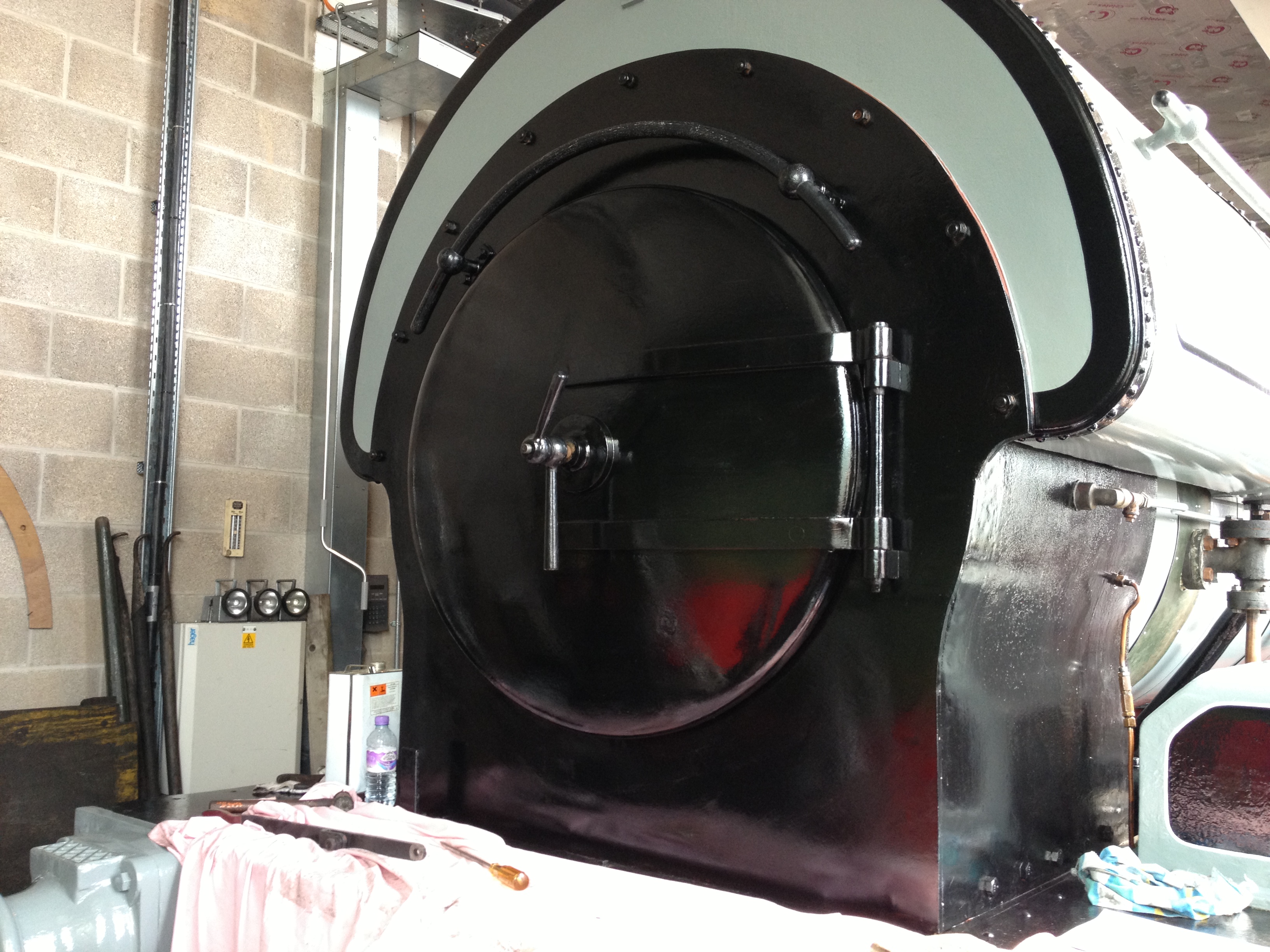
The obligatory front three quarter view
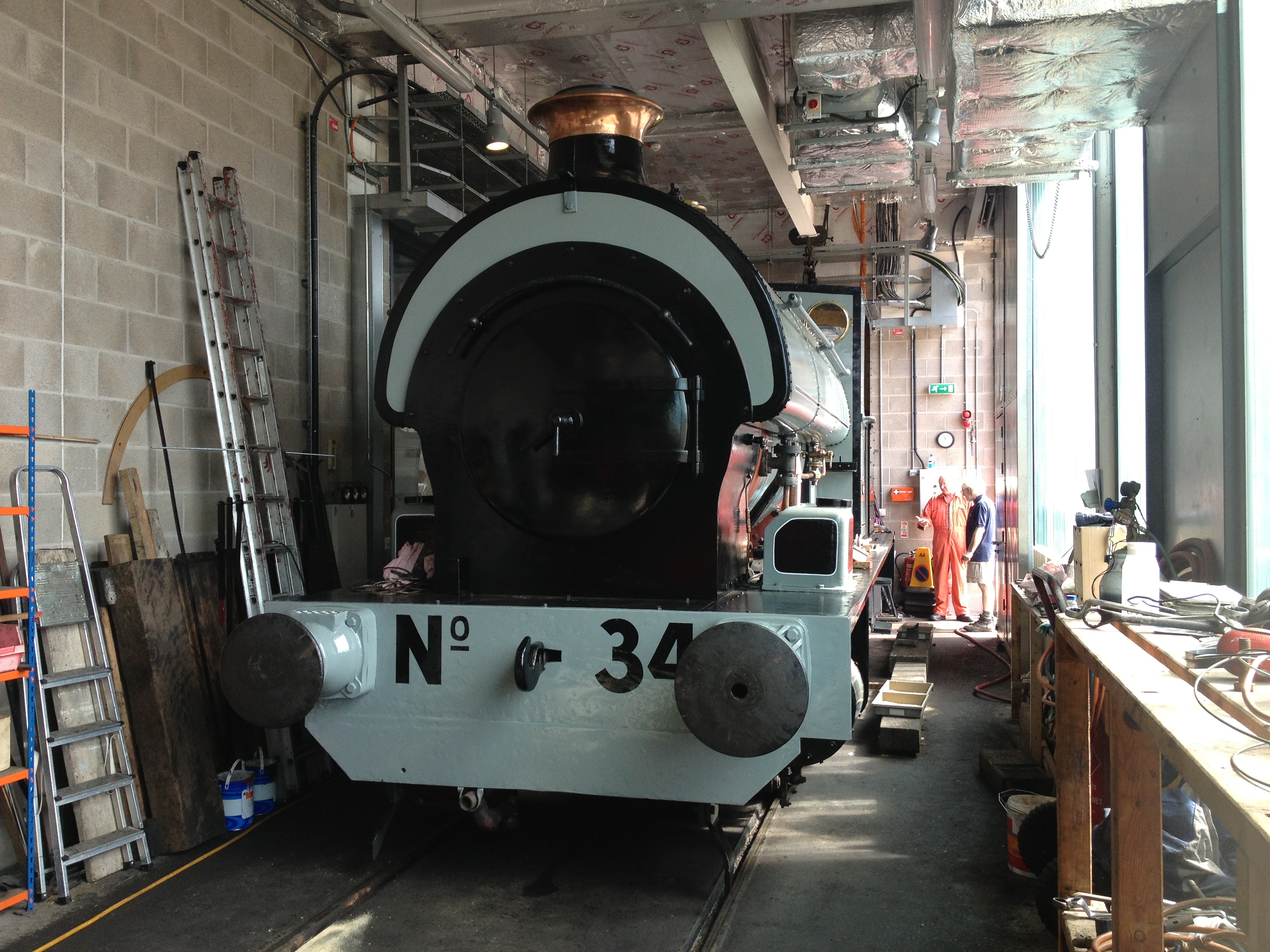
More to come…


